Key Takeaways
- A well-designed and properly installed roof can help limit storm damage and reduce the risk of water entering a property.
- Wind-rated materials, secure roof-to-wall connections, and secondary water barriers can improve performance during severe weather.
- Emergency services such as tarping and board-up work can help stabilize a damaged property until permanent repairs begin.
- Property owners should document damage, notify their insurer promptly, and avoid entering unsafe areas after a storm.
- Durable materials and professional installation can support long-term roof performance, but results depend on the complete roofing system and local conditions.
- Choosing a qualified contractor with roofing, restoration, and reconstruction capabilities can simplify the recovery process.
The Connection Between Roofing and Disaster Recovery
A roof is one of a property’s primary defenses against wind, rain, hail, and flying debris. When it performs as intended, it helps protect the building’s structure and interior. When it fails, water can quickly affect insulation, ceilings, walls, electrical systems, equipment, and personal belongings.
Working with an experienced contractor that handles roofing and disaster recovery can help property owners stabilize damage, plan necessary repairs, and move toward full restoration. This coordinated approach is especially valuable after hurricanes and other widespread storms, when several parts of a building may require attention at the same time.
Roofing plays a role throughout the recovery process. Temporary protection may be needed immediately after a storm, while inspections and permanent repairs follow once conditions are safe. If the damage is extensive, recovery may also involve water removal, demolition, reconstruction, and interior repairs.
How Roofing Systems Help Limit Storm Damage
A roof’s performance depends on more than its visible surface. Materials, decking, flashing, fasteners, underlayment, drainage, ventilation, and connections to the rest of the structure all affect its ability to withstand severe conditions.
Selecting Materials for Local Weather Conditions
Roofing products should be selected according to the building, climate, roof slope, local codes, and expected weather exposure. No material is storm-proof, but products tested for wind or impact resistance may offer added protection when they are installed as part of a properly designed system.
Common options include:
- Impact-rated asphalt shingles: These products are designed to provide greater resistance to hail and flying debris than standard shingles with lower impact ratings.
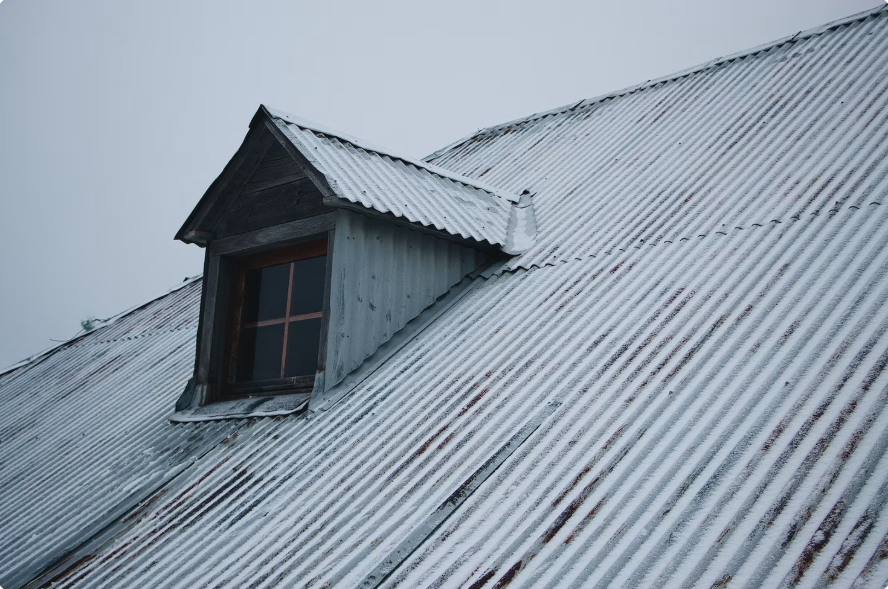
- Metal roofing: Properly installed metal roofing can provide durability, effective water shedding, and resistance to certain wind conditions.
- Tile roofing: Concrete and clay tiles can offer long service lives, but their weight and attachment requirements must be evaluated carefully.
- Commercial roof membranes: TPO, EPDM, PVC, modified bitumen, and built-up systems may be suitable for flat or low-slope commercial properties.
- Reflective roofing materials: Products with appropriate solar-reflectance properties may help reduce roof-surface temperatures in warm climates.
Product ratings should not be considered in isolation. The roof deck, fastening pattern, edge details, flashing, penetrations, and workmanship can all affect the finished system’s performance.
Creating a Continuous Load Path
A continuous load path connects the roof to the walls and the walls to the foundation. These connections help transfer wind forces through the structure and into the ground.
Roof-to-wall connectors may improve resistance to uplift when they are properly designed and installed. Building-code requirements vary by location, property type, and project scope, so a qualified contractor or design professional should evaluate the building before recommending structural improvements.
Other measures that may support storm resilience include:
- Strengthening roof-deck connections when appropriate
- Installing a qualifying secondary water barrier
- Securing flashing and roof edges
- Sealing vulnerable roof penetrations
- Improving drainage to prevent standing water
- Following manufacturer and local code requirements
These elements work together. Upgrading one component without examining the rest of the roofing system may leave other vulnerabilities unaddressed.
Emergency Roofing Services After a Storm
Storm damage should be addressed promptly, but personal safety comes first. Property owners should avoid climbing onto a damaged roof or entering areas with visible structural problems, standing water, exposed wiring, or unstable ceilings.
Once conditions are safe, an experienced restoration contractor can assess the property and recommend steps to limit additional damage.
Temporary Protection and Stabilization
Permanent repairs may not begin immediately after a major storm. Materials, permits, insurance inspections, and widespread demand can affect project schedules. Temporary mitigation can help protect the property during this period.
Emergency services may include:
- Roof tarping: A properly secured tarp can temporarily cover damaged areas and reduce water intrusion.
- Temporary roof patches: Compatible materials may be used to protect smaller openings until permanent repairs are completed.
- Board-up services: Broken windows, doors, and exterior openings can be covered to protect the building from weather and unauthorized entry.
- Water extraction: Removing standing water can help reduce additional damage to interior materials.
- Dehumidification: Professional drying equipment may be needed when moisture enters the building.
- Debris removal: Damaged materials may need to be cleared before inspections and repairs can proceed.
Temporary work is not a permanent substitute for professional repair. Tarping and other mitigation measures should be monitored and replaced with a lasting solution when conditions allow.
Documenting the Damage
Clear documentation can help property owners communicate with contractors and insurance representatives. If it is safe to do so, owners can photograph visible damage from ground level and record affected areas inside the property.
Useful records may include:
- Photographs and videos taken after the storm
- Dates when the damage was discovered
- A list of damaged rooms, equipment, and belongings
- Emergency-service invoices
- Contractor inspection reports and estimates
- Communications with the insurance company
- Receipts for temporary accommodations or other eligible expenses
Insurance policies have different reporting requirements, deductibles, exclusions, and coverage limits. Property owners should notify their insurer promptly and follow the instructions provided under their policy.
Contractors can document physical damage and prepare repair estimates, but insurance coverage decisions are made according to the policy and applicable claims process.
Planning Permanent Roof Repairs
After emergency mitigation is complete, the roofing system should be evaluated to determine whether targeted repairs or a full replacement is appropriate.
The decision may depend on:
- The age and condition of the existing roof
- The extent and location of the damage
- The availability of compatible materials
- Damage to the roof deck or supporting structure
- Current building-code requirements
- Manufacturer installation specifications
- The expected cost and service life of each option
A repair may be sufficient when the damage is isolated and the surrounding system remains in good condition. Extensive damage, widespread material failure, or structural concerns may make replacement the safer long-term option.
Property owners should request a written scope of work that identifies the materials, installation methods, permits, warranties, and expected project schedule.
Building Greater Resilience During Reconstruction
Post-storm reconstruction provides an opportunity to address weaknesses discovered during the inspection. Any upgrades should be appropriate for the building and reviewed for compliance with local requirements.
Potential improvements may include stronger roof-deck attachment, updated flashing, enhanced drainage, improved insulation, qualifying wind-rated materials, or a secondary water barrier.
The benefits of an upgrade depend on the property and roofing system. Property owners should ask how the proposed improvement affects installation costs, maintenance needs, energy performance, warranties, and expected service life.
Energy Performance
Roofing can influence a building’s energy use, especially in warm climates. Reflective materials may reduce solar heat gain, while suitable insulation can help limit heat transfer through the roof assembly.
Energy performance depends on the complete building envelope. Roofing materials, insulation, air sealing, ventilation, windows, and HVAC systems all contribute to heating and cooling demands.
Property owners should confirm that any proposed energy upgrade is compatible with the roof assembly and local climate. Available rebates or incentives should also be verified before the project begins because programs and eligibility requirements can change.
Drainage and Moisture Control
Effective drainage helps move water away from vulnerable roof areas. Gutters, drains, scuppers, downspouts, and roof slopes should remain clear and functional.
Standing water can increase stress on a roof and contribute to deterioration. After a storm, contractors should check drainage components for debris, displacement, or damage.
Moisture trapped beneath roofing materials may not be visible from the surface. Professional inspections can help identify wet insulation, damaged decking, or other concealed problems.
Understanding Roofing Warranties
Roofing warranties differ by manufacturer, product, and contractor. Some warranties address specific manufacturing defects, while workmanship warranties may cover certain installation-related problems.
A warranty does not cover every type of damage. Severe weather, improper maintenance, unauthorized alterations, and failure to follow reporting requirements may affect coverage.
Before repairs or replacement begin, property owners should ask:
- What parts of the roofing system are covered?
- How long does the coverage last?
- Does the warranty include labor?
- Is the warranty transferable to a future owner?
- What maintenance or inspection records are required?
- Which events and types of damage are excluded?
- Who should be contacted if a problem develops?
The written warranty should be reviewed carefully and stored with project invoices, inspection reports, and other property records.
Choosing a Roofing and Recovery Contractor
Storm recovery can involve emergency mitigation, roof repairs, water removal, reconstruction, and coordination with multiple parties. Hiring a contractor with experience across these areas may reduce delays and simplify communication.
Property owners should evaluate:
- Appropriate state and local licenses
- Current insurance coverage
- Experience with comparable roofing systems
- Storm-response and restoration capabilities
- Familiarity with local building requirements
- Manufacturer certifications when applicable
- References and verified customer reviews
- Written estimates and clearly defined scopes of work
- Warranty information
- Communication and project-management procedures
J.E.S., Inc. provides residential and commercial roofing along with emergency mitigation, storm-damage restoration, water-damage services, and reconstruction. Its ability to manage several stages of recovery can help property owners avoid coordinating separate contractors for every part of the project.
Property owners should still review the proposed scope, verify credentials for their location, and ensure that all agreements are documented before work begins.
Preparing Before the Next Storm
Preparation can reduce confusion when severe weather approaches. Property owners should keep insurance information, contractor contacts, photographs, and important building records in a secure location that can be accessed after an emergency.
Routine roof inspections can also identify loose flashing, membrane damage, drainage problems, deteriorated sealants, or other conditions that may worsen during a storm. Inspection frequency should reflect the roof type, age, manufacturer recommendations, local climate, and recent weather events.
A practical preparedness plan should identify who is responsible for reporting damage, contacting the insurer, arranging emergency services, and communicating with occupants. Commercial properties may also need procedures for protecting equipment, maintaining essential operations, and controlling access to damaged areas.
Moving From Emergency Response to Full Recovery
Roof damage can affect far more than the exterior of a property. Water intrusion may create interior damage, disrupt business operations, and require extensive restoration work.
A successful recovery begins with safety and stabilization. Once immediate risks are controlled, qualified professionals can inspect the property, document damage, develop a repair plan, and address affected areas in an organized sequence.
Strong materials, proper installation, and coordinated restoration services can help a property recover from current damage while becoming better prepared for future weather events.
Frequently Asked Questions
What should property owners do immediately after storm-related roof damage?
Remain in a safe area, avoid climbing onto the roof, document visible damage from the ground, contact the insurance company, and arrange an inspection with a qualified roofing or restoration contractor. Emergency tarping or board-up work may be needed to prevent additional damage.
Which roofing materials are suitable for hurricane-prone areas?
The appropriate material depends on the property, roof design, local code, and expected weather exposure. Wind-rated asphalt shingles, metal systems, tile, and certain commercial membranes may be suitable when properly designed and installed.
What is a continuous load path?
A continuous load path uses structural connections to transfer wind forces from the roof through the walls and into the foundation. It can include roof-to-wall connectors and other engineered components.
Are temporary roof repairs safe?
Temporary work can help limit additional damage when completed by qualified professionals. It should be inspected regularly and replaced with a permanent repair as soon as practical.
Should homeowners inspect a damaged roof themselves?
Homeowners should not climb onto a storm-damaged roof. Loose materials, hidden openings, unstable decking, and nearby electrical hazards can make the area dangerous. A visual inspection from a safe ground-level position is more appropriate.
Can a contractor determine what an insurance policy covers?
A contractor can document damage and prepare a repair estimate, but the insurance company determines coverage according to the policy. Questions about coverage should be directed to the insurer or an appropriately licensed insurance professional.
How long should a roof last?
Roof service life varies according to the material, installation quality, climate, maintenance, ventilation, and exposure to severe weather. Property owners should avoid relying on a single lifespan estimate for every roofing system.
How can property owners verify a roofing contractor?
Check the contractor’s licenses, insurance, references, reviews, relevant experience, and written warranty terms. Requirements should be verified with the appropriate state or local licensing authority.
Useful Resources
- Federal Emergency Management Agency – Disaster preparedness, response, and recovery information.
- National Roofing Contractors Association – Roofing-industry guidance and contractor resources.
- Insurance Institute for Business & Home Safety – Research and guidance concerning property resilience.
- National Association of Home Builders – Residential construction and building information.
- U.S. Department of Energy – Resources concerning roofing and building energy efficiency.
- American Society of Civil Engineers – Engineering standards and resilience resources.
Read More : Trends in Modern Residential Home Buying