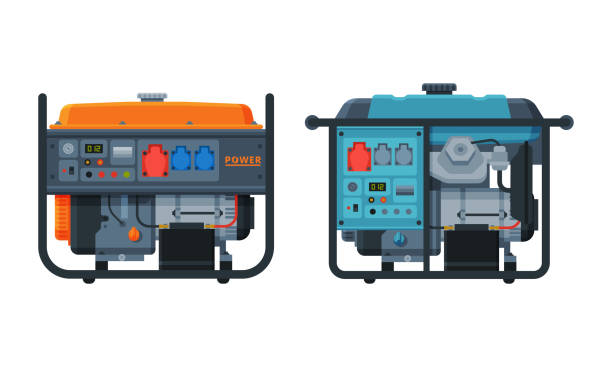
Picture this: You’re finally settling into your perfect camping spot, surrounded by pristine wilderness, when the harsh roar of a traditional generator shatters the tranquility. This all-too-common scenario highlights a critical challenge for outdoor enthusiasts – maintaining access to reliable power without compromising the very essence of their nature experience.
Enter inverter generators, a revolutionary solution that’s transforming how we power our outdoor adventures. These sophisticated devices offer whisper-quiet operation and exceptional portability, making them ideal companions for campers and off-grid enthusiasts. By delivering clean, stable energy suitable for sensitive electronics while maintaining impressive fuel efficiency, inverter generators represent a significant leap forward in portable power technology.
Beyond their primary benefits, these systems are increasingly incorporating solar charging capabilities, offering environmentally conscious users a sustainable power alternative. This article explores the technology behind these innovative power solutions, examines specific applications for campers, and reveals how recent battery advances are making off-grid power more accessible than ever.
Why Traditional Generators Fail Campers and Off-Grid Adventures
Traditional generators have long been the default power solution for outdoor adventures, but their limitations significantly detract from the camping experience. Most conventional generators produce noise levels between 65-75 decibels – comparable to a busy restaurant or vacuum cleaner – which can be heard hundreds of feet away, disturbing wildlife and violating campground noise restrictions. This constant drone not only affects neighboring campers but also diminishes the natural serenity many seek in outdoor experiences.
The physical constraints of traditional generators present another major hurdle. Weighing typically between 100-200 pounds, these units require significant muscle power to transport, making them impractical for remote locations or solo camping trips. Their bulky frames often consume valuable cargo space in vehicles and RVs.
Perhaps most concerning is their power quality issues. Traditional generators produce “dirty power” with significant voltage fluctuations that can damage sensitive modern electronics like laptops, smartphones, and camera equipment. This inconsistent output forces campers to choose between risking their devices or going without power. Additionally, their fixed-speed engines continuously run at full throttle regardless of power demand, resulting in inefficient fuel consumption and frequent refueling trips that interrupt camping activities.
Inverter Generator Technology: The Science Behind Quiet Power
Inverter generators achieve their superior performance through a sophisticated multi-step power conversion process. Initially, the engine produces raw mechanical energy that’s converted to AC power, which is then transformed into DC power. This DC current undergoes a final conversion back to AC power, creating a pure sine wave that’s virtually identical to grid electricity. This refined output eliminates the power fluctuations that plague traditional generators, ensuring safe operation of sensitive electronics.
The noise reduction capabilities stem from advanced enclosure designs that utilize sound-dampening materials and strategic component placement. Unlike open-frame generators that expose noisy engine components, inverter models feature fully enclosed casings with carefully engineered airflow paths that minimize sound escape while maintaining proper cooling.
Perhaps most innovative is the variable speed engine technology. Traditional generators must run at constant high speeds to maintain frequency stability, but inverter models automatically adjust engine speed based on power demand. When devices draw less power, the engine throttles down, significantly reducing noise and fuel consumption while extending engine life.
Battery Technology Breakthroughs for Extended Off-Grid Use
Modern lithium-ion batteries have revolutionized portable power storage, offering up to 70% weight reduction compared to traditional lead-acid batteries while delivering up to ten times more charge cycles. These advanced batteries integrate seamlessly with inverter generators, providing silent power during nighttime hours when generator noise would be most disruptive. Smart battery management systems enable automatic switching between power sources, ensuring uninterrupted operation while maximizing efficiency and battery lifespan.
Essential Features for Camping and RV Power Solutions
When selecting a portable power solution for camping, weight and mobility become crucial considerations. The most practical units typically weigh under 50 pounds and feature built-in wheels or ergonomic handles for easy transport across campgrounds. Look for compact designs that can fit alongside camping gear without monopolizing valuable storage space in RVs or vehicles.
Understanding power requirements is essential for reliable operation. Most camping setups require between 2000-4000 watts to run essential equipment like air conditioners, refrigerators, and cooking appliances. Modern inverter generators offer multiple power outlets, including standard 120V AC outlets and USB ports, allowing simultaneous charging of various devices while maintaining stable output.
Advanced eco-mode features automatically adjust engine speed based on connected loads, significantly extending runtime. This smart throttling can reduce fuel consumption by up to 40% during typical camping use, where power demands fluctuate throughout the day. The result is fewer refueling interruptions and quieter operation during low-demand periods.
Solar Charging Options for Sustainable Off-Grid Power
Integrating solar panels with inverter generators creates a hybrid power system that maximizes efficiency and environmental benefits. Portable solar panels ranging from 100W to 400W can be easily deployed at campsites, providing silent daytime charging while the generator serves as backup power. Modern systems support simultaneous charging from multiple sources, allowing solar panels to supplement generator power during peak usage times. For extended stays, semi-permanent installations using foldable or flexible panels can be mounted on RV roofs, creating a reliable solar charging station that reduces dependence on traditional fuel sources.
Advanced Power Solutions in Action
Leading manufacturers like EcoFlow are revolutionizing the camping experience with their advanced power solutions. Their DELTA Pro system, for instance, delivers exceptional performance while maintaining noise levels below 45 decibels – quieter than typical library ambient noise. With a 3.6kWh base capacity and expandable design supporting up to 25kWh, these systems enable extended off-grid stays without compromising power availability.
Selecting Your Ideal Portable Power System
Determining your ideal power solution begins with a thorough assessment of your electrical needs. Calculate your total power requirements by listing essential devices and their wattage ratings, including both continuous-use items like refrigerators and intermittent loads such as coffee makers or air conditioners. For accurate planning, add 20% capacity buffer to account for unexpected power demands and future device additions.
Trip duration directly influences battery capacity requirements. For weekend excursions, a 2000-3000Wh system typically suffices, while extended stays may require 5000Wh or more. Consider your charging opportunities – whether you’ll have access to shore power, adequate sunlight for solar charging, or need to rely solely on generator power. This assessment helps determine if you need additional battery modules or solar panels.
Most campgrounds enforce strict noise regulations, particularly during quiet hours. Study generator noise ratings carefully, ensuring they fall below 60 decibels at standard operating distance. Modern inverter systems achieving 45-55 dBA provide optimal campsite compatibility. Finally, evaluate expansion potential, including solar input capabilities, additional battery compatibility, and smart home integration features. These future-proof characteristics protect your investment as power needs evolve and sustainable energy options become more prevalent.
The Future of Quiet, Sustainable Off-Grid Power
Inverter generators have fundamentally transformed the outdoor power landscape, offering a harmonious balance between technological convenience and natural serenity. These innovative systems deliver the reliable electricity modern campers need while preserving the peaceful atmosphere that draws people to outdoor experiences. Through advanced power conversion technology and sophisticated noise reduction features, they’ve effectively solved the long-standing conflict between power accessibility and environmental disruption.
The integration of solar charging capabilities and advanced battery systems has further enhanced their versatility, creating truly sustainable off-grid power solutions. Whether supporting weekend camping trips or extended wilderness stays, these systems ensure continuous access to clean, stable power without the intrusive noise and maintenance demands of traditional generators. As battery technology continues to evolve, we can expect even more efficient and powerful solutions that will make off-grid living increasingly accessible and environmentally friendly.
In addition to the benefits of inverter generators, integrating solar power can further enhance off-grid living. For residents in Lodi, CA, North Valley Solar Power offers innovative solar solutions that complement the quiet efficiency of inverter generators. By harnessing the sun’s energy, these systems provide a sustainable and eco-friendly power source, reducing reliance on traditional fuel-based generators. This combination not only ensures a steady power supply but also minimizes environmental impact, making it an ideal choice for those seeking a greener lifestyle. Embracing both technologies can lead to significant energy savings and a more resilient off-grid setup.