Table of Contents
- Integrating Edible Gardens
- Embracing Vertical Gardens
- Incorporating Smart Technology
- Creating Multi-Functional Outdoor Living Spaces
- Adopting Sustainable Practices
- Exploring Eco-Brutalism
Modern landscaping is a dynamic field, continuously shaped by innovative ideas that merge visual elegance with everyday practicality. Homeowners and landscape designers are breaking free from traditional norms, embracing creative strategies that turn yards into lively sanctuaries tailored for relaxation, entertainment, and overall well-being. Whether integrating edible gardens, experimenting with vertical spaces, or applying bold eco-brutalist principles, today’s landscapes reflect not just style, but a mindful adaptation to contemporary living. By partnering with seasoned experts in landscape design Charlotte North Carolina, you ensure your vision comes to life with professional insight and a strong focus on beauty and sustainability. These collaborations result in outdoor environments that not only look modern but are thoughtfully designed to support a greener future and meet the unique preferences of each homeowner.
Read on to discover how these forward-thinking landscaping trends can revitalize your surroundings, increase the usefulness of your outdoor spaces, and bring a striking modern flair to your property’s curb appeal.
Integrating Edible Gardens
Edible landscaping, popularly known as “foodscaping,” has become a modern movement among gardeners and homeowners seeking lush beauty and functional harvests. Blending ornamental and productive plants allows you to cultivate a landscape that delights the senses while contributing to your dinner table. Imagine the visual pleasure of vibrant lettuce borders, graceful berry bushes intertwined with flowering shrubs, and fruit trees shading walkways—all contributing to year-round color and texture. Not only do edible gardens add value and nutrition for your household, but they also encourage a healthy lifestyle and a connection with nature. They support pollinators and beneficial insects, fostering local biodiversity and reducing reliance on store-bought produce with high environmental costs. You can achieve a balanced aesthetic with raised beds, creative container arrangements, and a thoughtful mix of perennial and annual crops.
Embracing Vertical Gardens
Vertical gardens’ rising popularity is revolutionizing how we approach outdoor and indoor landscaping, especially in urban or small-lot settings. When ground space is limited, vertical greenery transforms bare walls, fences, and structures into lush living tapestries. Modern systems include modular wall planters, stacked pots, trellises, and custom-built green walls, all of which offer opportunities for cascading flowers, aromatic herbs, and architectural ferns or succulents. Vertical gardens can be tailored to meet a variety of functional purposes—acting as privacy screens, noise buffers, or natural insulation to improve energy efficiency. Advancements in irrigation and hydroponic technology have made vertical gardening simpler and more accessible, ensuring healthy roots and vibrant growth with less maintenance. Whether gracing a sun-soaked balcony or revitalizing an overlooked shaded corner, vertical gardens provide refreshing bursts of greenery and contribute positively to air quality, creating tranquil microclimates in otherwise underused spaces.
Incorporating Smart Technology
As technology becomes increasingly integrated into everyday life, landscaping embraces a new era of convenience, efficiency, and intelligent design. Smart technology solutions, such as automated irrigation systems, lighting controlled by your smartphone, and robotic lawn mowers, are now commonplace in modern landscapes. Automated irrigation systems, for example, leverage real-time weather data and soil moisture sensors to deliver water with pinpoint accuracy, optimizing plant health while dramatically reducing waste and utility costs. Meanwhile, Wi-Fi-enabled outdoor lighting can be programmed to shift with the time of day, enhancing evening security and ambiance. Even routine chores like mowing are evolving—robotic lawn mowers can now quietly trim your lawn without supervision, freeing up your time for more enjoyable pursuits. These innovations work together to make landscape management less labor-intensive and more sustainable, helping homeowners maintain immaculate and eco-friendly properties with just a few taps or voice commands. As technology progresses, expect even more intuitive and integrated solutions to shape the future landscapes. In the same spirit of innovation, incorporating practices like Lawn Liquid Aeration adds another layer of efficiency to these tech-enhanced landscapes, supporting healthier outdoor spaces with minimal effort.
Creating Multi-Functional Outdoor Living Spaces
Today’s outdoor environments are designed to be full-fledged extensions of the home, acting as places for relaxation, socialization, play, and leisure. Modern landscaping concepts emphasize the integration of multi-functional outdoor living spaces, blurring the boundaries between the indoors and the great outdoors. Features like fully-equipped outdoor kitchens, built-in seating, cozy fire pits, tranquil water features, and elegantly shaded pergolas make it possible to enjoy every part of your landscape, regardless of weather or season. Thoughtful planning allows for zoning—quiet morning coffee corners, playgrounds for family fun, and inviting entertainment areas for friends and guests, each enhanced with purposeful lighting and durable materials. By prioritizing comfort, accessibility, and visual harmony, these spaces become hubs for activity and connection, reflecting the rhythms and interests of the homeowners. Stylish outdoor furniture, weather-resistant textiles, and creative design details ensure every square foot feels intentional and welcoming, fostering year-round use and enjoyment.
Adopting Sustainable Practices
Sustainability is now at the heart of modern landscaping, with homeowners seeking ways to reduce environmental impact while nurturing beautiful, resilient gardens. Choosing native plants well-suited to local soil, climate, and wildlife needs is one of the most effective strategies for water conservation and reduced maintenance. Permeable paving systems are increasingly popular, as they allow rainwater to filter naturally into the ground, helping to manage runoff and replenish aquifers. Sustainable features such as mulching, drip irrigation, and rain barrels optimize water use and minimize waste. Ethical landscaping also extends to hardscape elements; incorporating recycled or reclaimed materials for patios and walkways significantly lowers your carbon footprint. Composting organic garden waste completes the sustainability circle, transforming scraps into nutrient-dense soil for healthier plants. These green practices protect the environment, simplify maintenance, and encourage robust, thriving gardens—demonstrating that eco-conscious choices benefit both the earth and the homeowner’s investment over time.
Exploring Eco-Brutalism
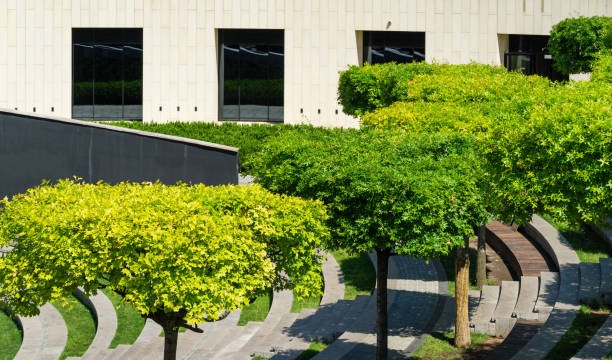
Eco-brutalism is a modern trend that offers a striking juxtaposition of industrial textures and verdant life. Defined by its bold use of raw materials like exposed concrete, steel, and minimalist structures, eco-brutalism pairs these elements with rich plantings and ecologically sound practices. The resulting landscapes are visually bold while also being environmentally responsive. Living roofs, green walls, and oversized concrete planters come alive with native grasses, hardy succulents, and wild-inspired blooms, softening hard edges and creating balance. This uuimethod excels in urban contexts, where durable materials can help mitigate the heat island effect, reduce maintenance, and maximize green footprints on challenging sites. By celebrating the natural beauty of contrast and embracing unpolished materials, eco-brutalism gives once-stark environments new meaning, turning them into powerful spaces where architectural strength and ecological vitality coexist.
Embracing creative landscaping strategies empowers homeowners to shape outdoor spaces that are as useful, sustainable, and inviting as they are beautiful. With access to local professionals, ongoing innovation in technology and design, and a steadfast commitment to environmental stewardship, your landscape can become a modern retreat that expresses your individuality and nurtures your connection to nature.
Incorporating functional elements into your landscape design can elevate your outdoor experience. One popular trend is the integration of outdoor kitchens Atlanta, which seamlessly blend cooking and entertaining spaces with the natural environment. These setups offer a perfect solution for those who love to host gatherings, providing a versatile area for grilling, dining, and socializing. By choosing materials and designs that complement your existing landscape, you can create a cohesive and inviting atmosphere. Whether you prefer a rustic stone finish or a sleek modern look, outdoor kitchens can be customized to fit your style, making them a valuable addition to any modern landscape.