When it comes to fresh bread, the quality and safety of the product are paramount. Receiving freshly baked loaves can be an exciting experience, especially when sourced from reputable baking companies. However, before accepting deliveries, it is essential to confirm certain details to ensure the bread meets high standards in terms of taste, freshness, and safety.
While the bakery’s reputation and the bread’s appearance may provide some initial comfort, further checks should always be carried out. Confirming critical details before receiving artisan bread can prevent potential disappointments and even health risks. Here are five key factors to consider when receiving fresh bread from baking companies.
1. Confirming Delivery Time and Temperature
The time and temperature at which bread is delivered significantly impact its freshness. Bread should ideally be delivered within hours of being baked to maintain its quality and texture. Bread that sits out too long or is exposed to fluctuating temperatures may develop stale spots or a soggy texture, making it less appealing.
- Always check the delivery time to ensure the bread hasn’t been sitting for long before arrival.
- Inspect if the bread is delivered at an appropriate temperature to prevent quality issues.
2. Inspection of Packaging Quality
Packaging is essential for maintaining the quality and hygiene of the bread during transit. Bread should be delivered in clean, secure packaging that prevents contamination and preserves its freshness. Damaged or improperly sealed packaging may compromise the bread’s quality and expose it to external elements, such as moisture or dirt. The packaging should also be properly ventilated to avoid excess moisture buildup, which could cause the bread to become soggy. Look for clear labeling on the packaging, including production and expiry dates, to ensure the bread is fresh and safe for consumption.
3. Assessing Bread Texture and Aroma
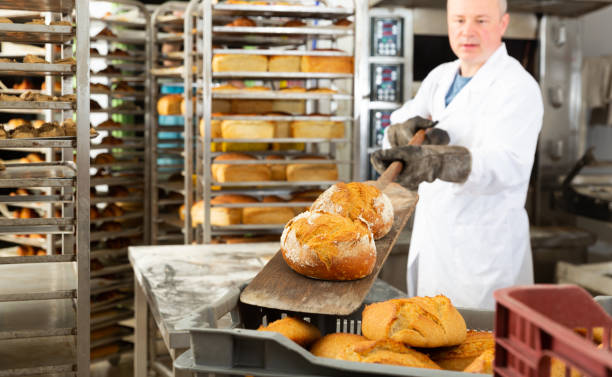
When receiving fresh bread, one of the easiest ways to gauge quality is by its texture and aroma. Bread should have a soft and airy interior with a slightly crisp crust, depending on the type. A good loaf will also have a delightful, natural aroma that indicates it has been baked properly.
- If the bread feels too dense or hard, it may not have been baked or stored properly.
- A strong, unpleasant odor is a sign that the bread could be stale or contaminated.
4. Checking Ingredients and Dietary Information
For health-conscious consumers or those with dietary restrictions, confirming the ingredients used in bread is essential. Always ask the bakery for a full list of ingredients to ensure no unwanted food additives, preservatives, or allergens are included. Understanding what goes into each loaf can prevent unexpected allergic reactions or dietary issues. Some bakeries provide bread options tailored to specific diets, such as gluten-free, vegan, or low-sodium.
5. Verifying Bread’s Origin and Baking Practices
Knowing where and how the bread is baked is crucial to understanding its quality and authenticity. Reliable baking companies will typically use high-quality ingredients and follow best practices in their baking processes. It is also advisable to inquire about any certifications the bakery may have, such as organic or health certifications, to further assure the product’s quality.
- Ask about the sourcing of ingredients to ensure they are of high quality.
- Look for bakeries that follow sustainable, ethical baking practices for an added layer of trust.
So, confirming critical details before receiving fresh artisan bread from baking companies is essential to ensure the product meets quality standards. From delivery time and packaging to texture, ingredients, and baking practices, each factor plays a significant role in the overall experience. Thus, by staying vigilant and informed, one can enjoy high-quality, fresh bread every time.