Key Takeaways
- Smart multi-space parking solutions harness real-time data and advanced technology to manage parking efficiently and reduce congestion.
- Automated tools and integration with mobile platforms enhance user convenience, decrease search times, and enable flexible payment options.
- Adopting smart parking strategies is pivotal for urban sustainability, reducing emissions, and supporting local economies.
Table of Contents
- Introduction
- Understanding Smart Multi-Space Parking
- Technological Components
- Benefits for Urban Mobility
- Real-World Implementations
- Challenges and Considerations
- Future Outlook
Introduction
As urbanization accelerates, cities worldwide face worsening traffic congestion and a dire shortage of parking spaces. Traditional parking systems no longer meet the demands of today’s bustling environments, leaving drivers frustrated and city planners searching for sustainable solutions. The rise of innovative multi-space parking solutions, driven by advanced technologies such as automated license plate recognition technology, marks a turning point in the evolution of urban transportation infrastructure. By enabling the efficient management of multiple spaces through real-time data insights, these new systems promise to make urban life smoother, greener, and more accessible.
This transformation is fueled by optimizing every available parking spot and minimizing wasted time and emissions caused by aimless searching. Automated systems powered by cutting-edge sensors and data analytics identify available spaces and streamline parking enforcement and payment processes. In this rapidly evolving landscape, integrating automated license plate recognition technology is central to the future of both private and public parking operations, ensuring a seamless and secure experience for drivers.
Understanding Smart Multi-Space Parking
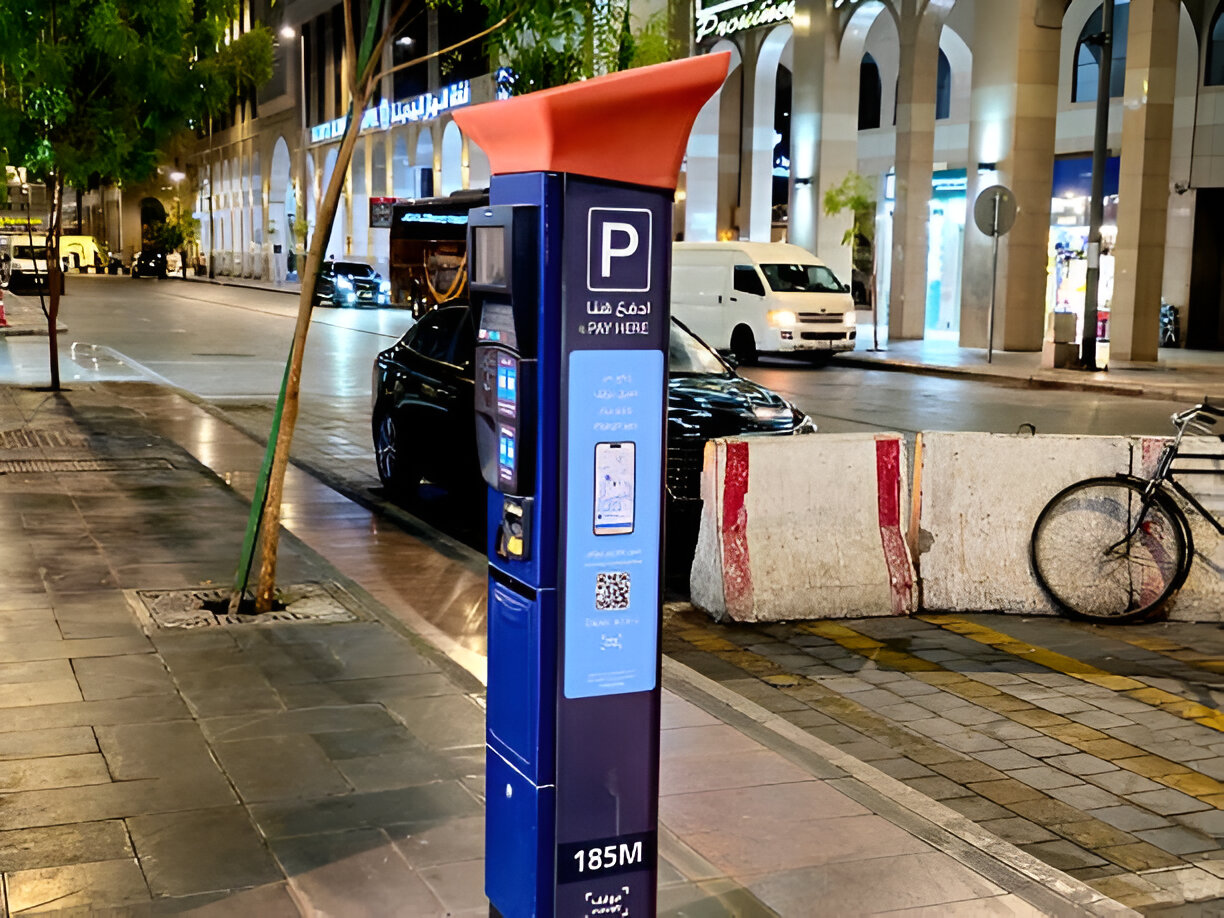
Smart multi-space parking fundamentally reimagines how parking is administered in dense urban environments. Instead of relying on individual meters for each parking space, these systems use centralized kiosks and networked sensors to oversee dozens—or even hundreds-of spaces simultaneously. Each vehicle entering or leaving a parking zone is logged through real-time sensors or camera-based systems, allowing instant updates to digital signage and mobile applications. The result is optimized space usage, reduced confusion for drivers, and less revenue lost to parking violations. City planners and businesses benefit from data-driven insights that guide infrastructure improvements and planning for future growth.
Technological Components
Several core technologies drive innovative multi-space parking ecosystems:
- IoT Sensors and Devices: Planted in parking spots or lots, these devices detect vehicle presence and send instant data to a central management system, enabling efficient monitoring of actual occupancy.
- Automated License Plate Recognition Technology: High-resolution cameras and intelligent image processing software monitor vehicles as they enter and exit. This ensures seamless access control, user accountability, and streamlined payment collection, strengthening parking enforcement and convenience for all parties involved.
- Mobile Applications and Digital Payments: Drivers can view available spaces, reserve parking, get instant navigation, and pay remotely, eliminating the need for cash or physical tickets.
- Cloud-Based Analytics: Aggregated parking and movement data is analyzed for patterns, enabling dynamic pricing models, trend forecasting, and targeted urban congestion management.
Cities like Linköping, Sweden, have demonstrated the success of such integral approaches, showing how merging infrastructure upgrades with real-time digital tools leads to unified parking services and enhanced urban mobility experiences.

Benefits for Urban Mobility
Adopting an innovative multi-space parking model generates wide-ranging benefits for cities, businesses, and the public:
- Reduced Traffic Congestion: Real-time guidance to available spots means less time spent circling, directly easing street congestion.
- Environmental Impact: Reducing unnecessary driving reduces carbon emissions, supports public health, and aligns with broader urban sustainability goals.
- User Experience: Intelligent systems alleviate the most common stressors of urban driving parking searches, lost time, and unclear payment rules ultimately creating a more enjoyable city environment.
- Economic Ripple Effects: By making it easier to park nearby, innovative solutions spur greater foot traffic to local businesses, expand retail opportunities, and raise municipal revenues through optimized pricing strategies.
Globally, innovative parking solutions have become a key strategy for cities intent on modernizing their transport management, as highlighted by recent analysis on urban digital transformation.
Real-World Implementations
Forward-thinking cities are already witnessing the transformative power of multi-space parking systems:
- San Francisco, USA: The SFpark initiative integrates sensor technologies and dynamic pricing, allowing for real-time adjustments in parking fees and direct feedback to users through mobile apps. This approach has slashed average parking search times and improved air quality in targeted zones.
- Barcelona, Spain: By embedding sensors in its urban grid and linking the data to a public-facing app, Barcelona has dramatically reduced vehicle miles traveled in search of parking, contributing to lower emissions and smoother traffic flows.
Challenges and Considerations
Despite their promise, the deployment of innovative parking solutions must overcome several real-world hurdles:
- Initial Investment: Municipalities and private operators must budget for up-front technology costs and ongoing maintenance. Making a solid business case around improved efficiency and future growth is critical.
- Data Privacy and Security: With increased data collection comes heightened responsibility to protect user information against breaches and misuse. Transparent policies and cutting-edge cybersecurity are essential pillars of public trust.
- Integration with Legacy Infrastructure: Retrofitting innovative systems into existing city layouts or older buildings can be complex and may necessitate phased rollouts, pilot programs, and specialized engineering expertise.
Future Outlook
The trajectory of urban mobility is increasingly intertwined with the evolution of innovative multi-space parking systems. As cities expand, adaptive technologies—driven by artificial intelligence, robust sensor networks, and ubiquitous digital connectivity—will only grow in importance. Further advancements, such as predictive analytics and seamless multimodal integration, can potentially increase traffic efficiency and user-centricity.
In sum, smart multi-space parking solutions are not just a tactical response to parking shortages—they are the foundation of more intelligent, greener, and prosperous cities. By embracing innovation and technologies like automated license plate recognition, urban leaders can ensure their streets serve both today’s demands and tomorrow’s possibilities.