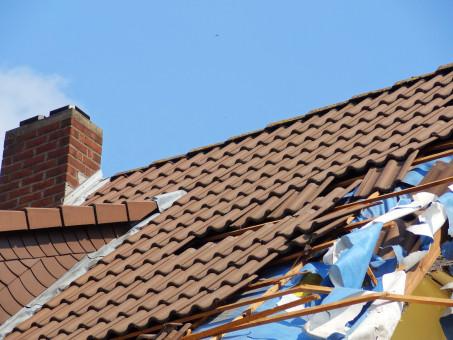
Storms can cause serious damage to your roof, sometimes in ways that aren’t immediately visible. If left unchecked, these issues can shorten your roof’s lifespan, increase repair costs, and even threaten your home’s safety and structural integrity. That’s why it’s crucial for homeowners to spot early warning signs of storm-related damage before they become major problems.
Florida is famous for its sunshine, sandy beaches, and vibrant tropical lifestyle. However, its geographic location also makes it one of the most storm-prone states in the U.S. From powerful summer thunderstorms and intense hurricane seasons to high humidity and salt air, Florida’s roofs face constant challenges that can wear them down much faster than in many other regions. The combination of strong winds, heavy rain, and flying debris during storms can leave lasting impacts on roofing systems.
To protect their homes, residents often turn to experts like Tadlock Roofing in Florida, who understand the state’s unique weather patterns and roofing needs. Having local knowledge ensures that even small signs of storm damage are recognized before they become costly repairs.
Here are 5 key signs of storm damage you should watch for on your roof:
Missing or Broken Shingles
High winds and flying debris from storms can easily tear off or crack shingles. Even a small number of missing shingles exposes your roof’s underlayment, increasing the risk of leaks. Damaged shingles can also reduce your roof’s ability to protect against moisture, so scheduling repairs as soon as possible helps prevent further deterioration.
Leaks or Water Stains
One of the most obvious indicators of roof damage is water intrusion. After a storm, carefully inspect the interior of your home for signs such as dark water stains on ceilings or walls, peeling or bubbling paint, and damp patches in the attic. These symptoms often point to moisture seeping through cracks or holes made by storm damage.
Shingle Granules in Gutters
Shingle granules serve an important function: they shield the roof from harsh UV rays and heavy rain. If you find an accumulation of granules collecting in your gutters or downspouts following a storm, it is a warning sign that your shingles are deteriorating prematurely. This loss of granules reduces the shingles’ effectiveness and may mean you need to consider replacement soon.
Dents or Impact Marks
Hail, branches, and airborne debris during storms can leave dents, punctures, or impact marks on shingles, metal flashing, vents, or skylights. Although these damages may not cause immediate leaks, they create weak spots vulnerable to further damage during subsequent storms. Regular inspections can help catch these before they escalate.
Sagging or Soft Spots
If certain sections of your roof look uneven or feel spongy underfoot, this could be a sign that the storm has compromised the underlying structure or decking. Sagging roofs pose serious safety risks and should be evaluated immediately by a professional roofing contractor to determine the extent of damage and necessary repairs.
Recognizing these signs of storm damage early is the best way to keep your roof strong and your home protected. Florida homeowners face unique challenges due to the state’s frequent and often severe weather events. Taking a proactive approach—regularly inspecting your roof and consulting trusted local roofing experts—can extend the life of your roof and help maintain the safety and comfort of your home year-round.