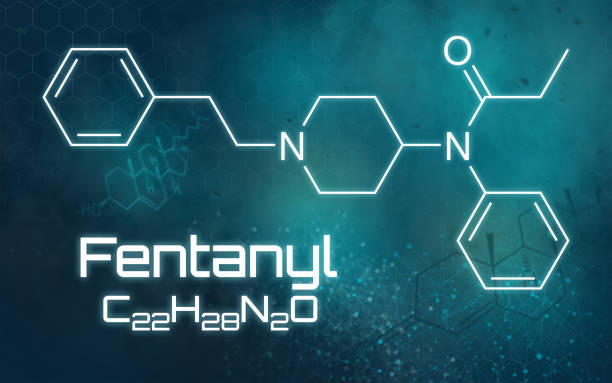
- Understanding fentanyl’s risks and potency is crucial for effective intervention.
- Widespread distribution and training on naloxone saves lives in overdose situations.
- Fentanyl test strips empower users to make informed decisions and reduce accidental exposure.
- Supervised consumption sites foster safer environments and connect individuals to care.
- Community education, destigmatization, and legislative reform are key elements of a holistic response.
Fentanyl-related harm has become a significant public health concern due to the drug’s high potency and the increasing prevalence of illicitly manufactured opioids. Even small dosing errors can result in overdose, making prevention, education, and timely intervention critical components of harm reduction efforts. Addressing this issue requires a balanced understanding of medical, social, and behavioral factors that contribute to fentanyl exposure and risk, as well as evidence-based strategies that prioritize safety and informed decision-making.
Effective approaches focus on reducing preventable deaths while supporting individuals and communities affected by opioid use. These strategies may include overdose awareness, access to naloxone, safer use education, and pathways to appropriate fentanyl treatment when needed. By emphasizing harm reduction alongside public health initiatives, stakeholders can help minimize risks, improve outcomes, and promote long-term recovery without stigmatization or fear-based messaging.
Understanding Fentanyl
First synthesized in the 1960s for medical use, fentanyl is now a common adulterant in illicit drugs. Its potency, up to 50 times greater than heroin and 100 times more than morphine, means that even trace amounts can cause respiratory depression and death, especially in unintentional or unknown exposures. Frequently, those who overdose may not even realize that fentanyl was present in their drug supply, compounding the risk for all users. Awareness campaigns and accurate, up-to-date information about how fentanyl is distributed and consumed are crucial components in any robust harm reduction plan.
Naloxone Access and Training
Naloxone, also known by the brand name Narcan, is an opioid antagonist that can rapidly reverse the effects of an opioid overdose and restore normal breathing. Expanding access to naloxone, through pharmacies without a prescription, community distribution programs, and first-responder training, has proven lifesaving. For example, Pennsylvania’s implementation of broad naloxone distribution policies was linked to a marked reduction in statewide overdose deaths in 2024.
Community training on identifying overdoses and effectively administering naloxone empowers bystanders and families. Removing legal and financial barriers to naloxone access should be a priority for policymakers and healthcare organizations alike.
Fentanyl Test Strips
Fentanyl test strips are inexpensive, easy-to-use tools that allow individuals to check drugs for the presence of fentanyl before consumption. Their adoption has been associated with reduced rates of unintentional overdoses and deaths; users can make safer decisions once they know whether fentanyl is present. As more states move to legalize these strips, public health advocates stress the importance of normalizing test strip use and integrating them into harm reduction kits.
Supervised Consumption Sites
Supervised consumption sites (SCS) offer a safe, medically supervised environment for people to use drugs. On-site healthcare professionals can intervene in case of overdose and connect clients to addiction counseling and primary care. OnPoint NYC’s SCS, for instance, has reversed over 1,700 overdoses with zero fatalities since opening, drawing attention to the public health benefits of sanctioned consumption rooms. These facilities also help reduce syringe litter and connect vulnerable populations with housing and mental health resources.
Community Education and Support
Community education is a foundation of harm reduction. Effective outreach programs focus not only on the dangers of fentanyl but also on available supports, ranging from peer counseling and treatment referrals to distribution of naloxone and test strips. Educational campaigns, whether delivered through public service announcements, school partnerships, or online resources, destigmatize substance use and empower both users and loved ones to respond effectively in emergencies.
Support groups, peer networks, and case management services provide more than just information. They foster a sense of belonging, reduce isolation, and help individuals navigate the path toward recovery.
Policy Initiatives and Legal Reforms
Policy reforms at the local, state, and federal levels play a lasting role in harm reduction. The U.S. Senate’s passage of the HALT Fentanyl Act increased penalties for fentanyl traffickers, complementing harm reduction policies such as the legalization of fentanyl test strips in several states. Public health leaders continue to advocate for funding for harm reduction programs, insurance coverage for addiction treatments, and reforms to eliminate barriers caused by stigma or outdated drug laws.
Legislation is most effective when developed with input from affected communities, healthcare professionals, and harm reduction experts. Ongoing collaboration and review ensure that policies remain responsive to an evolving public health landscape.
Challenges in Harm Reduction
While harm reduction continues to save lives, significant challenges remain. Persistent stigma surrounding substance use leads to discrimination and underfunding of essential services. Legal barriers in some states still limit access to fentanyl test strips, naloxone, and supervised consumption sites, putting lives at unnecessary risk. Additionally, constrained public health budgets and insufficient treatment infrastructure make scaling up harm reduction programs challenging.
Addressing these obstacles requires a concerted effort by the healthcare system, legislators, and advocacy organizations to ensure adequate resources, education, and policy changes that prioritize people’s safety.
Conclusion
Addressing the harm caused by fentanyl is a complex issue that requires innovative and evidence-based solutions. By investing in harm reduction strategies, increasing access to naloxone, promoting community education, offering supervised consumption sites, and implementing supportive policies, communities can reduce opioid-related deaths and provide hope for recovery. Collaboration and a concerted effort to destigmatize addiction are essential for creating a safer and healthier future for everyone.