Table of Contents
- Regular Inspections
- Clean Gutters and Downspouts
- Trim Overhanging Branches
- Remove Moss and Algae
- Ensure Proper Ventilation
- Prompt Repairs
- Seasonal Maintenance
- When to Seek Professional Help
Proper roof maintenance is one of the most important investments homeowners can make to protect their property and avoid expensive repairs. Extending the lifespan of your roof does not have to be complicated, but it does require consistent attention and care. If you are looking for local assistance or guidance, Houston roofing services offer specialized support to keep your roof secure during Houston’s challenging weather.
Neglecting routine maintenance can lead to issues ranging from leaks and water damage to the structural deterioration of your home. Small problems can escalate quickly if left unaddressed, leading not only to financial strain but also to disruptions in daily living. The key to long-term roof health is vigilance and targeted maintenance year-round.
Maintenance habits also play a vital role in safeguarding your home’s energy efficiency, indoor comfort, and structural stability. Roof issues can impact attic ventilation, insulation, and even the overall appearance of your property. By following a practical checklist, homeowners can stay ahead of problems and maximize the lifespan of any roofing material.
Whether you are responding to seasonal threats like storms or proactively inspecting your roof, a consistent approach will pay off over time. From simple tasks like gutter cleaning to recognizing when it is time to call in an expert, these maintenance tips are your first line of defense against avoidable, costly roof damage.
Regular Inspections
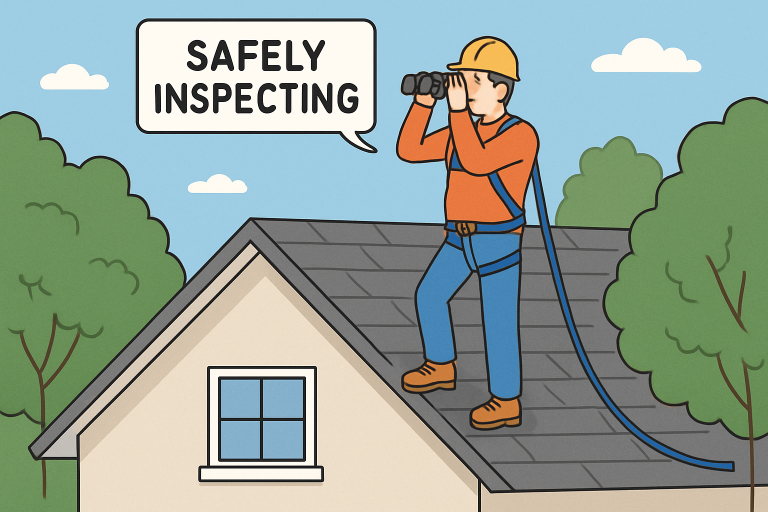
Inspections are the first step in any comprehensive roof maintenance plan. Aim to examine your roof at least twice a year, ideally during the spring and fall. After severe weather events like hailstorms or heavy winds, check for signs of damage such as missing or cracked shingles, loose flashing, or detached gutters. These inspections allow you to catch emerging issues before they become costly emergencies. If you are unsure about climbing onto your roof, use binoculars for a visual inspection from the ground and keep an eye out for indoor warning signs, such as water stains on the ceiling or walls.
Clean Gutters and Downspouts
Gutters and downspouts play a critical role in channeling water away from your roof and foundation. When debris like leaves and twigs builds up, water can back up under roofing materials and seep into the home’s structure. It is recommended to clean gutters at least twice a year and after any major storms. Proper maintenance prevents moisture buildup, which can cause rot, foundation erosion, and mold. According to HGTV experts, keeping gutters clear is essential for extending the lifespan of both the roof and the gutters.
Trim Overhanging Branches
Trees provide welcome shade, but overhanging limbs can scratch roof surfaces, tear shingles, and drop twigs and leaves into gutters. Regularly trim branches so they are at least eight to ten feet away from the roofline. During storms, heavy limbs are less likely to fall and cause severe structural damage if you have maintained a safe distance. Pruning trees not only helps maintain your roof’s durability but also minimizes the chance of critters like squirrels accessing your roof and attic.
Remove Moss and Algae
Moss, algae, and lichen thrive in damp, shaded areas on roofs. Over time, these organisms retain moisture, which can weaken shingles and promote decay. Prompt removal of moss, by hand with a soft brush or with commercial moss removers, helps preserve shingle integrity. To further prevent regrowth, consider installing zinc or copper strips along the roof ridge. These metals emit particles during rain, inhibiting the growth of moss and algae. For more detailed prevention strategies, consult the Family Handyman guidance.
Ensure Proper Ventilation
A well-ventilated attic helps regulate temperature and moisture, preventing condensation, ice dams, and mold growth. Poor ventilation can lead to warped roof decking, reduced insulation effectiveness, and premature shingle aging. Make sure your soffit vents, ridge vents, or attic fans are free of obstructions and functioning correctly. Good airflow also helps lower summer cooling costs by dissipating heat buildup under the roof.
Prompt Repairs
Ignoring minor roof issues almost always leads to more significant problems in the future. Damaged or missing shingles, dislodged flashing, or cracked vent boots should be fixed as soon as they are discovered. Prompt repairs are not just about avoiding leaks but also about maintaining the performance of your entire roofing system. Early intervention is usually much more cost-effective than waiting for a substantial problem to develop.
Seasonal Maintenance
Each season brings its unique maintenance challenges. In the spring, clear gutters and check for damage from winter ice and snow. Summer is a good time to assess ventilation and watch for heat-induced deterioration. Fall preparation involves removing leaves, checking for moss growth, and ensuring drainage paths are clear. In winter, pay special attention to preventing and removing ice dams by keeping insulation and ventilation in optimal condition. Adapting your roof maintenance strategy each season helps reduce risks associated with extreme weather and temperature changes.
When to Seek Professional Help
Certain situations are best left to the pros. If you notice persistent leaks, structural sagging, widespread shingle loss, or cannot safely access your roof, a professional assessment is necessary. Likewise, roofing warranties often require that major repairs or installations be handled by licensed contractors. Seeking an expert’s opinion can help avoid injury and ensure repairs are completed to industry standards.
By incorporating these maintenance tips into your routine, you can help your roof stand the test of time, protect your home from the elements, and avoid unexpected expenses. Consistency is key, and professional expertise is available when you need it, ensuring your roof remains strong and reliable for many years.
Maintaining the structural integrity of a home involves more than just surface-level repairs; it requires a proactive approach to all essential systems. While focus often lands on roofing and siding, the internal climate control environment plays a significant role in how materials expand and contract over time. Ensuring that Semper Fi Heating and Cooling manages your HVAC needs can help stabilize indoor humidity levels, which indirectly protects your attic space from moisture buildup. Such holistic care prevents premature aging of the roof deck and shingles. By balancing external maintenance with internal efficiency, homeowners can significantly extend the lifespan of their property and avoid the unexpected costs associated with neglected structural oversight.