Key Takeaways
- Lever-action rifles combine historical significance with modern advancements, making them relevant for today’s shooters.
- Innovations over recent years have improved their safety, usability, and versatility.
- These rifles are valued for hunting, sport, home defense, and collecting.
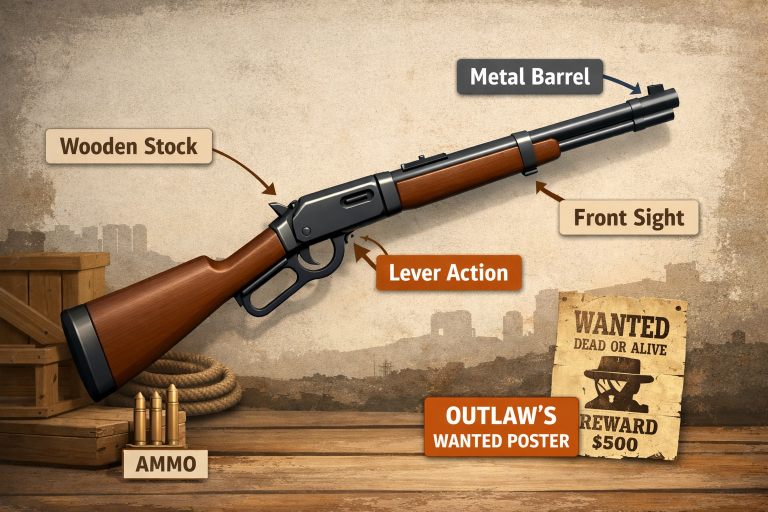
Lever-action rifles stand at the crossroads of history and innovation. Their remarkable blend of distinctive design and reliable performance has made them a favorite for generations of firearm enthusiasts. These rifles are enjoying renewed popularity today, captivating hunters, competitive shooters, and collectors alike. With unique character and an evolving set of features, lever-actions continue to hold their own in the modern era. For those interested in exploring heritage firearms or the latest advancements, options like Winchester Repeating Arms and access to quality supplies such as Winchester ammuntion Canada offer a perfect starting point.
What sets lever-action rifles apart is not only their enduring aesthetic but also their adaptability across a wide range of uses. From their early days on the American frontier to present-day innovation, these rifles remain emblematic of a tradition that bridges generations. Whether seeking nostalgia or practical versatility, many shooters find lever actions as relevant now as they were a century ago.
Historical Significance
Lever-action rifles first appeared in the mid-19th century, when single-shot firearms dominated the landscape. With their ability to rapidly chamber rounds and fire consecutively, they became instrumental in shaping the outcome of historical events such as westward expansion in North America. The Winchester Model 1873, often referred to as “The Gun that Won the West,” epitomizes the iconic status these rifles achieved. Their influence persists, as both cultural symbols and practical tools, even well into the 21st century. For a deeper dive into how lever-action rifles were historically transformative, the Smithsonian Magazine provides insightful historical context.
The lever-action design enabled quicker follow-up shots in an era when reload speeds could mean the difference between success and failure in both hunting and defense. This advantage made them prized possessions for pioneers, cowboys, and even law enforcement of the Old West. The aesthetic of lever-action rifles became interwoven with the mythology of the American cowboy, immortalized in Western films and literature, further entrenching their cultural significance. This legacy continues to inspire modern enthusiasts who crave a direct connection with a formative period in firearm history.
Modern Innovations
Today’s lever-action rifles differ in many respects from their forebears while maintaining the recognizable action and silhouette. One of the most significant advancements in recent years is the adoption of box magazines. Traditional tubular magazines limited bullet shapes to avoid accidental detonations, but box magazines now allow for the safe use of pointed projectiles, which vastly improve accuracy and ballistic coefficients. Manufacturers are also integrating optics-ready receivers, improved recoil systems, and advanced metallurgy, ensuring that the platform meets the demands of contemporary shooters.
Additionally, the use of lightweight alloys, polymer components, and modular stocks has enabled manufacturers to further reduce rifle weight and improve handling. Many lever-actions are now available with threaded barrels to accommodate suppressors or muzzle brakes, expanding their appeal among shooters who prize customizability. These continual advancements contribute to the lever-action’s ongoing prestige and practical appeal.
Safety Enhancements
Modern lever-action rifles place greater emphasis on user safety. Features such as tang and cross-bolt safeties are now standard on many models, significantly reducing the risk of accidental discharge. These mechanisms are designed for intuitive and reliable operation, even under stressful conditions. Some manufacturers have also incorporated transfer bar systems and other passive safety features to protect users without compromising on speed or feel.
Proper handling, regular maintenance, and responsible storage all contribute to the safety and longevity of lever-action firearms. Shooter communities and manufacturers frequently provide instructional resources to ensure these treasured rifles are used with the utmost respect for both their heritage and modern safety standards.
Versatility in Use
Few platforms rival lever-action rifles in versatility. For hunters, their quick cycling and dependable function make them ideal for tracking game in brushy terrain or thick forests. Because of their manageable length and lightweight build, lever-actions are especially popular for whitetail hunters and those pursuing similar medium-sized game. In sport shooting, their smooth action and historical charm attract competitors who value both tradition and function. Homeowners also turn to lever-action rifles for home defense due to their simple controls and reliable cycling, which can make them effective in a wide range of defensive scenarios.
Beyond their practical roles, lever-action rifles are increasingly seen at cowboy action shooting events, historical reenactments, and firearms exhibitions, where their classic designs are celebrated. Their ease of customization allows users to tailor rifles for specific purposes, from mounting advanced optics for precision shooting to outfitting compact models for close-quarters defense. No matter the environment, lever-actions transition smoothly from field to range to display case, underscoring their true diversity.
Notable Manufacturers
Many companies have left their mark on the development and refinement of lever-action rifles. American firms stand at the forefront, with Henry Repeating Arms and Marlin Firearms leading the charge. Henry rifles are celebrated for their smooth cycling and classic lines, faithfully reproducing early American designs while employing modern metallurgy and precision. Marlin is notable for its durable actions and innovations, such as side ejection, which makes mounting optics easier and more reliable. Winchester, though now largely focused on specialty and commemorative rifles, remains an enduring symbol of the lever-action tradition. Each of these manufacturers offers a compelling blend of the classic and the contemporary.
Internationally, brands such as Browning and Chiappa Firearms have also contributed innovative concepts and quality engineering to the market. These companies have enabled a global appreciation for lever-action designs and expanded the range of available calibers, finishes, and customization options.
Final Thoughts
Lever-action rifles occupy a unique space in the world of modern firearms. Their rich historical legacy, combined with ongoing innovation, ensures that they will continue to appeal to new generations of shooters. With advances in safety, capability, and adaptability, these rifles seamlessly connect the past to the present, proving their worth on the range, in the field, and in the home. The allure of a lever-action rifle is as much about heritage as it is about embracing the best of modern engineering.
For anyone seeking a firearm that blends storytelling, robustness, and state-of-the-art performance, lever-action rifles remain unmatched. Their unique blend of tradition and cutting-edge upgrades guarantees their relevance and desirability for both seasoned shooters and newcomers to the world of firearms. This enduring platform reflects not only remarkable mechanical ingenuity but also an ongoing love for history, adventure, and craftsmanship.