Table of Contents
- Electrical Panel Upgrade
- Whole-Home Surge Protection
- Smart Home Integration
- EV Charger Installation
- LED Lighting Upgrades
- Ground Fault Circuit Interrupters (GFCIs)
- Regular Electrical Inspections
With the rapid evolution of technology and the growing number of electronic devices in every household, upgrading your home’s electrical system is no longer just an option but a necessity. Ensuring modern infrastructure means enjoying greater safety, enhanced convenience, and optimal energy efficiency. For any homeowner seeking to future-proof their property, working with a qualified home electrician is a crucial first step.
An outdated electrical system poses both performance challenges and safety risks, particularly as modern appliances and smart devices demand higher power. Proactive improvements not only accommodate current lifestyles but also prepare your home for future advancements. Home electrical upgrades provide lasting value, protect sensitive devices, and enable sustainable living.
Many homeowners undervalue the importance of these upgrades until issues arise, such as frequent breaker trips, flickering lights, or appliance failures. Rather than waiting for problems to surface, consider these essential electrical improvements to make your home more resilient and adaptable.
Electrical Panel Upgrade
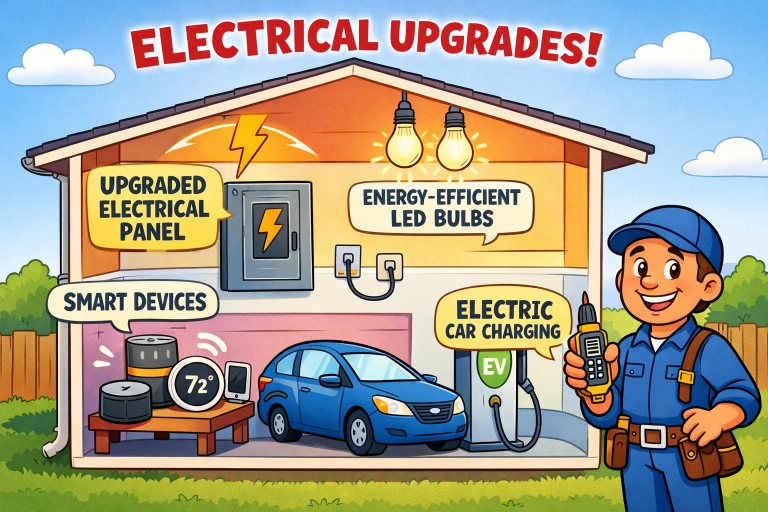
Many homes built before 1990 have panels designed for significantly lower energy use. These older panels might only handle 60, 100, or 150 amps, while newer needs often require 200 amps or more. An overloaded panel can lead to tripped breakers, overheating, and even fire hazards. Upgrading your electrical panel aligns your home’s capacity with modern usage patterns, making it a foundational step for any homeowner planning future upgrades or home additions. According to the National Fire Protection Association, electrical failures and malfunctions remain a leading cause of residential fires, making this upgrade an important preventive measure.
Whole-Home Surge Protection
Surges are not only caused by lightning or utility grid switches. Every day, power events, such as large appliances cycling on and off frequently, cause voltage spikes throughout your home’s wiring. Over time, these minor surges cause wear and degradation of electronics, appliances, and sensitive equipment. Installing a whole-home surge protector involves placing a device at your main panel to defend the entire home, reducing the risk of damage and minimizing long-term replacement costs. Major appliances, smart devices, and entertainment systems will benefit from this affordable safety enhancement.
Smart Home Integration
Smart home features such as programmable lighting, connected thermostats, and automated security systems are transforming household routines. Integrating these technologies often requires a robust wiring infrastructure capable of handling real-time data and simultaneous device control. Allocating dedicated circuits for smart devices prevents overloads and guarantees uninterrupted connection and performance. For those planning to expand their smart home ecosystem, consult an electrician specializing in smart systems to ensure all technology functions seamlessly and safely.
EV Charger Installation
The transition to electric vehicles has underscored the need for fast and reliable in-home charging solutions. Installing a Level 2 EV charger provides significantly faster charging times compared to standard outlets and ensures safe operation without stressing existing circuits. Upgrading your electrical panel may be necessary for this project, so it is vital to assess your system’s capacity beforehand. The convenience of at-home charging not only saves time but also supports sustainable transportation goals.
LED Lighting Upgrades
Energy-efficient LED lighting continues to outpace traditional incandescent bulbs in longevity, cost savings, and environmental impact. LEDs use up to 75 percent less energy and can last 25 times longer than incandescent alternatives. This widespread lighting upgrade means fewer bulb changes, lower energy bills, and a significant reduction in your home’s carbon footprint.
Ground Fault Circuit Interrupters (GFCIs)
Bathrooms, kitchens, laundry areas, and outdoor receptacles are particularly susceptible to electrical hazards due to the potential presence of water. In these areas, ground fault circuit interrupters provide critical protection by instantly shutting off power if an imbalance is detected. This fast action reduces the risk of severe shock or electrocution. Complying with modern electrical codes, many municipalities now require GFCI outlets in moisture-prone spaces.
Regular Electrical Inspections
Routine electrical inspections by a licensed electrician can catch small problems before they escalate into costly emergencies. Professionals inspect for outdated wiring, fault-prone circuits, and code violations, ensuring all electrical systems operate safely and efficiently. These inspections are especially important in older homes or those undergoing renovations. Preventive maintenance extends the life of your electrical system and reduces the chances of unexpected outages or hazards.
Final Thoughts
Thoughtful electrical upgrades not only protect your family and belongings but also support future changes in technology and lifestyle. A certified home electrician can provide personalized recommendations tailored to your needs, ensuring your home remains a comfortable, safe, and forward-thinking space.