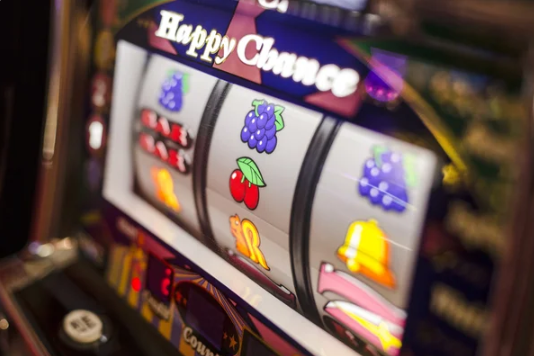
Have you ever tapped a slot game’s Spin button and noticed how much is happening beyond the reels? Modern online slots can resize for phones, animate bonus rounds, and explain rules on screen. Those changes make games easier to access, but they don’t turn random results into predictable ones. Understanding the technology helps you separate useful features from distractions.
From Physical Reels to Software
A traditional slot relied on mechanical parts. Digital versions use code to display symbols, calculate payouts, and manage bonus features. That flexibility supports everything from fruit icons to elaborate adventure themes. What matters is understanding the rules beneath the artwork.
What Decides Each Spin?
Most digital slots use a random number generator (RNG) to determine outcomes according to the game’s programmed rules. The animation displays the result; reaction speed doesn’t matter. Pressing Stop, changing devices, or waiting for certain hours won’t improve your odds.
Spins are normally independent. Six losses don’t mean a win is due. That belief can tempt extra spending.
Themes, Layouts, and Bonus Rounds
One game may use three reels and familiar symbols. Another may use changing grids, free spins, multipliers, or a jackpot. Don’t assume those features work the same everywhere. Open the paytable to check winning combinations, feature triggers, and any stake-related conditions.
Try a demonstration mode if one exists. It’s useful for learning controls, but practice results cannot forecast real-money outcomes.
Reading Risk Behind the Graphics
Smooth movement and cheerful sounds can make a small payout feel larger than it is. Two common game details offer better context: return to player and volatility. Neither promises what will happen during a short session.
RTP Is an Average, Not a Guarantee
Return to player (RTP) represents the theoretical portion of wagers returned across extensive play. It’s not a refund you can expect by the time you close the app. Your personal results can differ greatly, including losing your entire budget.
Volatility Changes the Experience
Lower-volatility games usually pay smaller amounts more frequently. Higher-volatility games can have longer dry spells punctuated by larger payouts. Either type can lead to losses. Choose based on what you can afford to risk, not on a claim that one pattern is easier to beat.
Check the Platform Before the Spin
Technology also affects how you manage an account, read conditions, and move money. A polished screen doesn’t prove the operator is legitimate. A few checks are more useful than glowing animations or bold promises.
Practical Checks for Beginners
- Readable controls: Is your stake clear before you tap, particularly on a small phone?
- Payment terms: Can you find withdrawal rules, fees, and identity-verification requirements?
- Privacy: Is the connection encrypted, and does the site explain how it uses your data?
- Legal status: Is online gambling permitted where you live, and can you independently check any licensing claim?
- Language: If you encounter สล็อต, that’s Thai for “slots,” not proof of game fairness.
Leave if rules are hidden, withdrawals sound suspicious, or someone pressures you to deposit quickly. Never share passwords or verification codes.
Control Your Session, Not the Outcome
Quick-loading games and one-tap betting can make losing track of spending surprisingly easy. Set boundaries before playing, while you’re thinking clearly. Online gaming should be entertainment, not a way to earn income.
A Simple Spending Plan
- Choose a loss limit from money you can comfortably spare.
- Pick a small stake and set a time limit.
- Stop when either limit is reached, even after a win.
- Never borrow to play or increase bets to recover losses.
If gambling starts affecting sleep, bills, or relationships, take a break and seek support. Better technology may change how reels look and feel, but the smartest move is still knowing when to close the game.