Key Takeaways
- Efficient waste management is key to sustainable development and public safety.
- Adopting innovative solutions and strategic planning streamlines dumpster rentals.
- Selecting the correct dumpster size and type enhances project efficiency.
- Integrating eco-friendly methods supports both environmental and financial goals.
Table of Contents
- Importance of Efficient Waste Management
- Innovative Approaches to Dumpster Rentals
- Choosing the Right Dumpster for Your Project
- Eco-Friendly Waste Disposal Methods
- Conclusion
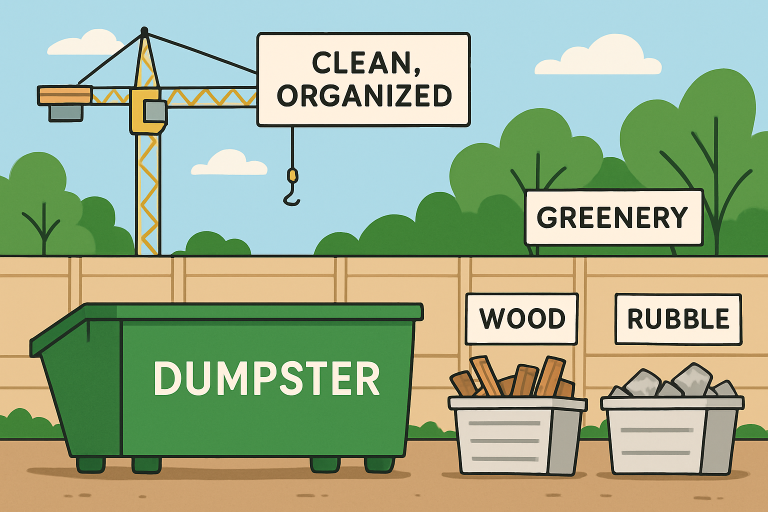
Efficient waste management is essential for communities, construction projects, and residential cleanups. Streamlining the process reduces environmental impact and improves overall project success. For those looking to plan smarter, exploring local Dumpster Rentals can be the first step toward a cleaner, more organized job site. Understanding how to make dumpster rental simple and sustainable benefits everyone, from homeowners to large businesses.
Whether you are renovating your house or coordinating a commercial demolition, creative solutions help avoid common pitfalls like overflowing dumpsters or improper sorting. With increasing awareness of sustainability, many are seeking innovative waste-disposal options that not only meet regulations but also benefit the environment. These solutions aren’t just about logistics; they can save money and foster community involvement.
Proper planning is essential for waste management, especially when dealing with large-scale debris and recyclables. Utilizing available resources, setting up clear guidelines for waste separation, and staying informed about local regulations help avoid delays and additional fees. Companies adopting advanced scheduling systems and offering clear communication also enhance the customer experience, making every project smoother.
After accounting for your specific waste management needs, the next step may be to investigate specialized services. For larger-scale or more demanding jobs, Roll Off Dumpster Rentals offer flexibility and capacity ideal for everything from construction sites to event cleanups.
Importance of Efficient Waste Management
Managing waste responsibly is fundamental to keeping neighborhoods clean, lowering landfill rates, and reducing the risk of pollution. Efficient waste management aligns with global sustainability goals and helps cities comply with regulations that protect air, water, and soil quality. According to the Environmental Protection Agency, applying the waste management hierarchy, reduce, reuse, recycle before disposal, leads to better resource conservation and long-term societal benefits.
Additionally, effective systems support community health by limiting exposure to hazardous waste and controlling disease vectors. This is particularly important in areas with rapid development or frequent renovations, where construction debris and hazardous materials can accumulate quickly.
Innovative Approaches to Dumpster Rentals
The traditional approach to dumpster rentals often focused solely on drop-off and pick-up logistics. However, new technology and community trends have changed expectations. For example, some service providers offer mobile apps for scheduling deliveries, tracking fill levels, and arranging pickups. Others use data-driven systems to optimize routes and reduce emissions from their fleets.
Community engagement campaigns, such as events promoting group clean-ups, waste education, or recycling drives, have also become more common. Bringing together neighborhoods with a shared sustainability goal not only makes projects more successful but also increases participation and awareness. Highlighting the creative strategies companies use, such as themed marketing or reward programs for proper recycling, can make dumpster rental solutions more appealing and effective in the long term.
Incorporating advanced recycling programs and waste-tracking tools helps individuals and enterprises maintain better records and minimize improper disposal. Some modern waste management services even offer digital waste audits, providing clients with valuable feedback on their sustainability performance and recommendations for improvement.
Choosing the Right Dumpster for Your Project
Matching the dumpster to your project size and type is critical to efficient operations. Residential cleanouts, construction sites, and commercial demolitions all produce different types and quantities of waste. Most services offer a selection of sizes, measured in cubic yards, to cover various needs. For example, small dumpsters (about 10 yards) are good for garage cleanouts, while larger dumpsters (over 30 yards) are better suited for building renovations or demolition projects.
Local regulations may impact your ability to position dumpsters on public streets or in certain neighborhoods, so always check municipal guidelines before scheduling delivery. When in doubt, contacting your provider directly can help ensure you select the right dumpster and arrange for appropriate placement. This helps avoid costly mistakes, such as exceeding weight limits or requiring multiple hauls due to underestimating project scope.
Project Scope and Waste Type
Consider not only the sheer volume of debris but also whether you need to dispose of special materials, such as electronics, hazardous chemicals, or bulk landscaping waste. Each may have specific disposal requirements, and failing to comply can result in fines or environmental harm. Learning about your options and discussing them with the rental company facilitates better compliance and peace of mind.
Eco-Friendly Waste Disposal Methods
Sustainable waste management is a cornerstone of responsible dumpster rental. Separating recyclables, such as paper, plastic, glass, and metal, from general waste makes a substantial difference. Recycling not only conserves finite resources but also reduces demand on landfill space, a growing concern in urban centers, according to recent findings by The New York Times.
Composting is another strategy, particularly useful for projects that generate a significant amount of yard waste or biodegradable debris. Donating usable items, from gently used fixtures to leftover building materials, also diverts waste from landfills and helps foster charitable giving.
Encouragingly, new methods and tools for reducing waste are emerging. For instance, construction companies are increasingly relying on on-site material separation and digital waste tracking to boost recycling rates and minimize landfill contributions. Transparency and reporting not only support environmental goals but can also be a requirement for certain certifications or project funding. Learn more about these trends by visiting Forbes’ insights on technology in waste management.
Conclusion
Creative and efficient dumpster rental solutions are vital components of successful waste management, whether you are a homeowner preparing for a remodel or a business handling large volumes of debris. By planning thoughtfully, embracing innovative technologies, and prioritizing eco-friendly disposal methods, projects run more smoothly and leave a smaller footprint. Staying informed and using resources like local dumpster rental services supports efforts towards a cleaner, more sustainable environment for everyone.