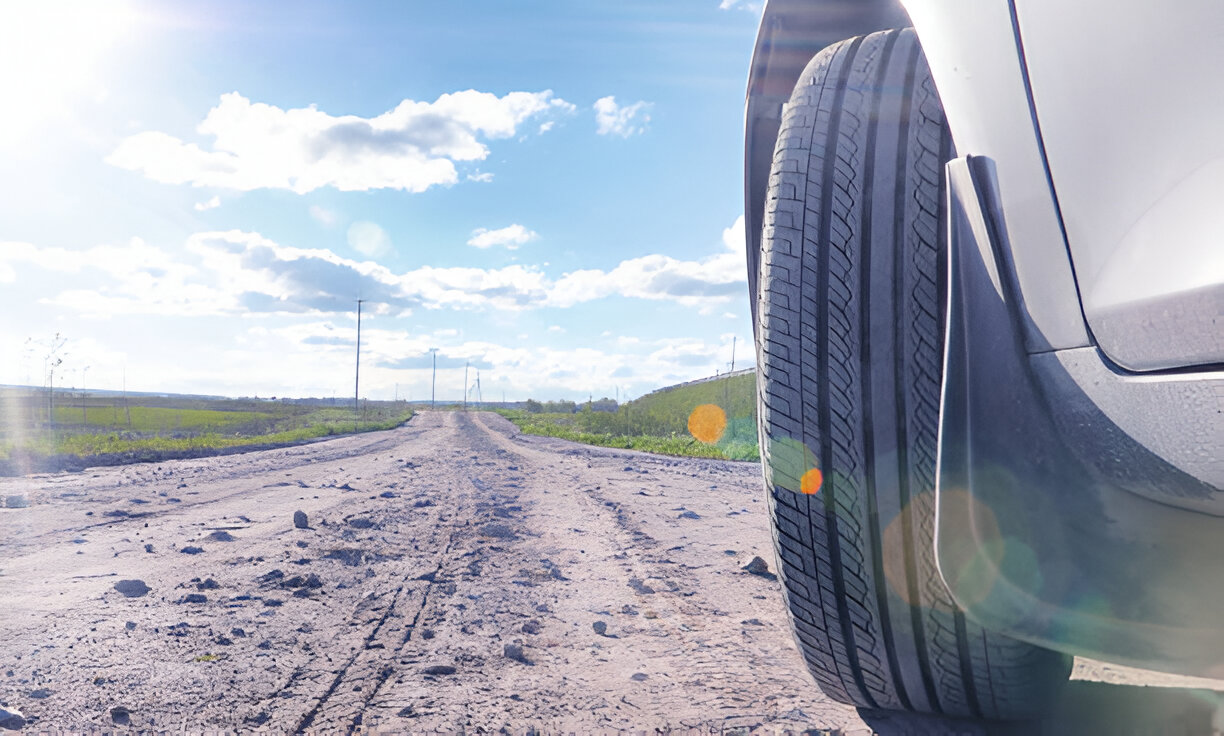
The second set of tires you should consider is likely one of the most important factors for driving smoothly and safely. For those who navigate roads with different surfaces, all-terrain tires, designed for versatility, can be ideal solutions.
This guide explains all-terrain tire features and benefits to help drivers make educated evaluations when they buy Maxxis tires or other options.
What are All-Terrain Tires?
All-terrain tires can do it all. They provide balanced performance on the highway, dirt roads, and even light trails. The tread pattern is more aggressive than that of typical tires, providing the necessary grip for loose surfaces without compromising comfort on paved roads. These traits contribute to their versatility for different driving situations.
Benefits of All-Terrain Tires
The most significant benefit of all-terrain tires is their versatility. They cover a variety of on- and off-road conditions without the need for frequent changes, which is especially useful for drivers who navigate areas with diverse terrains. These tires also typically have reinforced sidewalls, improving their durability and minimizing the chances of a flat tire.
Traction is another significant benefit. The tread pattern enhances grip on wet and muddy ground, which adds to control and safety. This option is especially useful in rainy seasons or in places where slippery roads are frequent.
Considerations Before Purchasing
Drivers should ask themselves where they drive most often before going with all-terrain tires. Although these tires perform well on highways, icy roads, and off-road conditions, they are less effective in extreme off-road situations and not ideal for high-speed highway driving. Knowledge of the driving habits will assist in making the best choice.
Budget is another important factor. They feature significantly more durable and protective compounds and materials than a regular all-purpose set, which tends to drive up their price. Even so, spending on quality will save you in the long run, as it will not require replacing them regularly.
Choosing the Right Tire Size
Correct sizing is key to performing at your best. Tire size has a bearing on handling, fuel economy, and general vehicle dynamics. Consult the vehicle manual for the advised sizes. Choosing the incorrect size may set up the automobile for issues, along with uneven wearing and therefore a lack of fuel economy. Speaking with a pro will make sure you get the right fit.
Maintenance Tips for Longevity
Because it can endure different types of surfaces, maintenance is required to get the most out of it. To prevent uneven wear and tear, tires should be rotated every 5,000 to 7,000 miles. Checking the air pressure regularly helps keep both performance and fuel efficiency at their best. Tires with too low or too high pressure are also bad for handling and can cause accidents.
Alignment checks are also crucial. If the tires are not aligned properly, they tend to wear quickly and erratically. If they pull to one side, they may need alignment. Avoiding such incidents from happening is simple: keep the tire clean, especially after an off-road session, so as not to accumulate dirt and debris that can impair its performance.
Eco-Friendly Considerations
More and more drivers are considering the importance of sustainability. Certain all-terrain tires utilize environmentally friendly materials and production processes. These choices can minimize the environmental impact but still maintain performance. Product labels and descriptions can offer additional information regarding a tire’s ecological credentials.
Conclusion
If you travel through multiple kinds of driving conditions, all-terrain tires are the other ideal option. Since they can easily adapt to various surfaces, many prefer them. Knowing these features and benefits, as well as their maintenance needs, enables drivers to make informed decisions about enhancing their driving experience. By selecting the right package, drivers can ensure it lasts a long time with proper care, providing durability, performance, and safety.