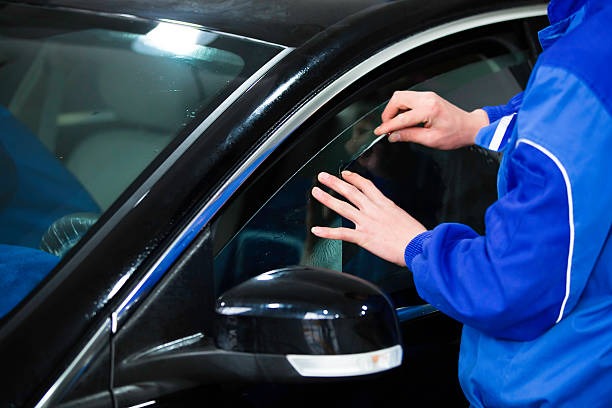
The familiar race to keep cars cool, stylish, and safe from the sun’s glare just added a surprising new contender. Panoramic glass roofs are moving from high-end showrooms into family sedans, delivery vans, and even buses. That wider adoption creates a fresh headache for anyone parked under a blistering afternoon sky, because regular tinting film stops short of the big glass overhead.
Auto restylers, detail shops, wholesale distributors-you name the bumper-to-bumper outfit and most are always hunting the next upsell. Specialized treatments for skylights aren’t yet commonplace, so installers who jump in now can claim a space that won’t feel crowded for a while. Major PPF makers already testing their own formulations only underline how quickly the category could take off.
Why Skylight Protection Is Gaining Traction
Huge, glossy skylights instantly brighten a cabin, yet they also double as hot spots. Direct sunlight streams in all day long, turning a car ceiling into a radiator while quietly fading leather and fabric below. Factory tint usually isn’t enough to block every harmful ray.
The practical fallout is easy to imagine:
- Rover presidents crank up the A/C every five minutes.
- Drivers squint at the ceiling and wish for sunglasses.
- Seats and headliners lose color months before the odometer rolls over.
- Kids in booster seats protest the invisible burn that’s heating their skin.
In response, skylight protection films have gone from aftermarket curiosity to must-have upgrade. Sun-blasted regions and resale-obsessed owners are leading the charge. Several top paint protection film makers now roll out dedicated sunroof products before July hits. That tells you the market pulse is strong.
A New Revenue Stream for B2B Tint Businesses
B2B tint shops finally have a talking point that turns heads:
Most glass roofs shield only a fraction of ultraviolet light, and many customers hint they never knew. A technician drops that bit of wisdom during a routine check, and suddenly the sale is warm.
Shoppers appreciate anything that guards expensive interiors and names like 1-year or lifetime warranty seal the deal. An educated client is usually a repeat client, especially when protecting the glass they spent extra money on in the first place.
Adding skylight film to the shop menu opens a service lane that barely existed six months ago. Abruptly, tint pros become the neighborhood experts in panoramic roof care. New revenue, wider visibility, and, yes, a reason to stay busy when winter slows everyone down.
Skylight tinting offers instant comfort to anyone stuck in a parked car.
- High Margins: The square footage is small, but customers see it as a luxury upgrade and are willing to pay.
- Add-On Potential: It pairs neatly with paint protection film, cabin windows, or ceramic coats.
- Low Material Use: One roll goes a long way, so installers save on every spool they buy.
- Upsell Path: Bundling the service into a premium package almost guarantees a bump in final ticket price.
Shops already aligned with leading PPF makers should ask their reps about patterns that fit the glass roofs popping up everywhere. Many distributors now carry pre-cut kits and quick-start guides to make the learning curve easier.
A roll of regular automotive tint simply won’t hold up above a car’s beltline. Skylight film has to check off a tougher list of requirements.
Advanced UV Filtering : 99 percent-plus rejection of both UVA and UVB rays without clouding the view, because the driver is staring straight through.
Infrared Rejection: Effective heat management keeps temperatures tolerable even when the sun has been blasting for hours.
Optical Clarity: Any haze or wobble shows up immediately as a distraction. Passengers deserve glass-like sharpness.
Thermal Stability: The laminate must stick under constant exposure without bubbling, peeling, or changing color.
Compatibility with Curved Glass
Curved skylights come in all sorts of shapes. Protective films have to stretch and bend to meet those contours with a neat edge. In the past year several leading PPF brands began touting that flexibility front-and-center in their sales sheets. Being able to promise a snug fit helps keep the durability claim from sounding theoretical.
Selling Skylight Protection as a Specialized Solution. Most tint shops still regard a sunroof strip as an upsell, yet putting the film on first is sometimes the smartest move. Treat it like a core service instead of a footnote. Strictly speaking, cars with glass roofs suffer worse UV damage than solid panels do, so the argument for early adoption is sound.
Create Dedicated Service Pages. A single landing page devoted to panoramic-roof protection can pull fresh traffic all month long. Customers who type sunroof UV protection usually end up on that turf, especially if the copy includes terms like heat rejection. Search robots reward specificity, and people appreciate tidiness.
Educate Fleet Managers and Dealers. Coaches, executive sedans, and tour vans spend most of their days baking under the sun. A dealer presentation showing how the film cuts glare can tip the scales during quarterly budget talks. Fleets that swap roofs every three years save real money when upholstery is not fried early.
Offer Package Deals. Bundling the roof with windshield and side-window film turns a car into a proof-of-concept. When someone prices total coverage gaps shrink faster than they expect, and convenience seals the deal.
Use Visual Comparisons
A quick thermal-imaging shot taken minutes apart tells the story better than any brochure. The orange-red hotspot disappears, and suddenly the price for the film looks like a bargain.
Target Climate-Sensitive Markets. Hot-dry desert cities and humid coastal towns love anything that keeps cabin temps tolerable. Outreach campaigns aimed directly at those zones consistently yield high close rates. High-altitude drivers also notice early.
Plenty of PPF makers already hand their B2B customers a stash of skylight-ready marketing brochures. That little head start turns the pivot toward overhead glass into an easy, money-earning move.
Skylights demand their own kind of film, and not every brand is on the ball. Dealers browsing the catalog should measure products against a simple checklist.
Spectral selectivity sits at the top. A good film cuts infrared while sparing the cabin from midnight-dark vibes.
Durability counts too, because roof glass lives under relentless sun and hail. Pick a choice backed by a warranty you can really believe in, one proven on the street, not just in a lab.
Support at install time matters, especially when the glass curves like a roller coaster. Films that come with tidy cutting guides save hours and headaches.
Compliance never drifts into the background. If the film winds up on structural glass, it better tick every safety box the law requires.
Dealers also want to mind their own shelves. A product that flows with existing PPF, tint, or wrap lines avoids awkward conversations with fleet customers.
Innovation keeps rolling, and several makers are blending formulas so one sheet does duty as paint protection and tint for panoramic roofs. That mash-up shortens SKU lists and gives shops more room to breathe on busy weeks.
Conclusion: A Niche That’s Ripe for Adoption
Virtually unbroken glass stretching from hood to hatch is fast becoming the default treatment on premium EVs, and no sign yet points to a slowdown. That popularity blasts open a fresh lane for the tint-and-film trade, one focused squarely on protecting those sweeping roofs. Shops quick to stock the right products stand to pocket higher margins while winning loyal repeat customers who never knew a good clear shield could matter so much.
Leading paint-protection brands already roll out kits aimed just at these skylights, letting distributors and mobile fitters jump in without reinventing the wheel. The tech is there, the materials are proven, and the car park is filling up with buyers eager for a little extra shade.