Table of Contents
- Driver Safety Tips
- Trucking Company Responsibilities
- Road User Guidelines
- Technological Advancements in Truck Safety
- Regulatory Measures and Compliance
- Conclusion
Truck accidents are a significant concern for everyone on the road, leading to severe injuries, fatalities, and property damage. The risk is exceptionally high due to the massive size and weight of commercial vehicles. Taking proactive steps improves road safety for all, whether you operate a commercial truck, manage a fleet, or are simply sharing the highway. Everyone benefits from increased awareness of the specific dangers associated with large trucks and a readiness to adapt safe practices. Commercial vehicle crashes, including a truck accident, underscore the importance of adopting comprehensive safety strategies and of collaboration among all road users.
Safety is a shared responsibility. Individual drivers and trucking companies must utilize effective safety measures and technologies. Road users should understand how to interact safely with trucks, while regulatory agencies continue to update guidelines based on new data. The financial costs and human toll of truck accidents provide strong motivation for change. By building a culture of safety, we can help prevent accidents and save lives.
Increased use of fleet management technology, greater compliance monitoring, and heightened driver training can have a real-world impact. Advanced systems designed to prevent collisions and offer real-time safety data are now available to improve outcomes in critical moments.
The following guide outlines clear actions for drivers, companies, and the public. By following these best practices, everyone can help reduce truck crashes and support safer roadways.
Driver Safety Tips
Truck drivers are on the front lines of road safety. The long hours, challenging road conditions, and heavy loads make their jobs particularly demanding. Motorists’ lives can depend on the safety decisions made in the cab. Here are some practical steps drivers should follow to avoid contributing to collision statistics:
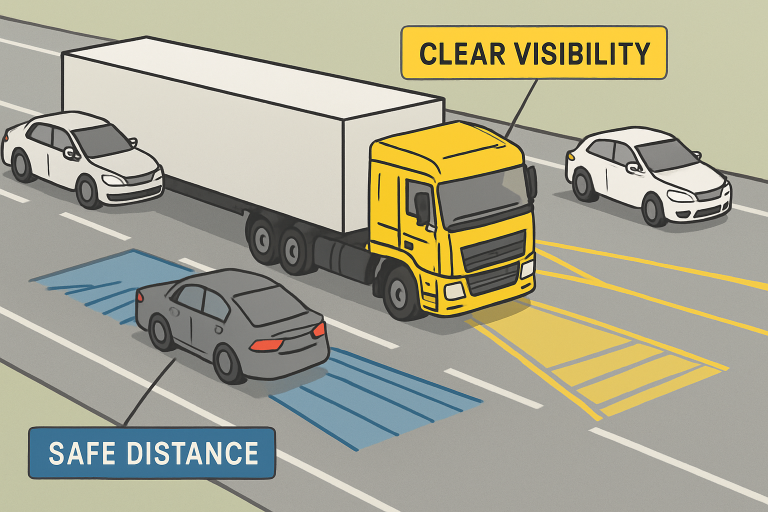
- Maintain Safe Following Distances: Always allow more space between your truck and the vehicle in front. Trucks need longer stopping distances than passenger cars, so safe gaps give drivers more time to respond to sudden braking or obstacles.
- Stay Alert and Avoid Distractions: Fatigue is a common factor in many truck accidents. Ensure you take regular breaks and avoid distractions such as mobile phone use. Even hands-free devices can reduce driver awareness and increase risk.
- Regular Vehicle Inspections: Before and after each route, thoroughly inspect your vehicle. Check brakes, lights, tires, and load restraints. These checks reduce the chances of mechanical failure and help catch issues early.
Trucking Company Responsibilities
Companies overseeing fleets play a key role in preventing truck accidents. Beyond compliance with minimum legal standards, companies should drive a culture of safety through their policies and internal programs:
- Implement Driver Fatigue Programs: Enforce strict tracking of hours and rest. Discourage unrealistic deadlines and prioritize driver well-being over delivery speed. Encourage the use of electronic logging devices to combat drowsy driving.
- Regular Maintenance Schedules: Maintenance schedules should be comprehensive and proactive. Timely repairs and routine maintenance catch issues before they cause incidents on the road.
- Defensive Driving Training: Offer defensive driving classes to all drivers. These programs help drivers anticipate dangerous situations and respond appropriately, even when dealing with reckless motorists or sudden hazards.
Road User Guidelines
Everyone sharing the roads with trucks must understand these enormous vehicles’ limitations and proper driving etiquette to prevent collisions:
- Avoid Blind Spots: Trucks have sizable blind spots, often referred to as “No-Zones”. If you cannot see the truck driver in their mirrors, they likely cannot see you. Always overtake or position your vehicle so you are visible.
- Give Trucks Extra Space: Trucks require more space to stop, turn, and maneuver at intersections. Never cut in front of a truck or merge too closely after passing, as this can eliminate their safe braking cushion.
- Be Cautious During Lane Changes: Changing lanes or merging directly in front of a truck is hazardous. Trucks cannot decelerate as quickly as passenger vehicles and may not react in time to avoid a crash.
Technological Advancements in Truck Safety
Recent technological breakthroughs are redefining commercial truck safety by improving both prevention and response. For example, collision avoidance systems and lane departure warning technology continually monitor road conditions and driver alertness, warning of potential dangers before an accident can occur. Advanced systems, such as automated, proactive warning devices for Truck Mounted Attenuators (TMA), now alert traffic and help prevent secondary collisions in roadwork areas.
These advancements not only save lives but also reduce the economic cost of accidents. As more companies invest in real-time telematics and AI-powered analytics, expect ongoing improvements in truck and roadway safety.
Regulatory Measures and Compliance
Governmental agencies routinely update safety standards to adapt to advancements and address persistent challenges. The Federal Motor Carrier Safety Administration (FMCSA) sets regulations for commercial truck operations, driver training, inspection requirements, and maximum allowed driving hours. Compliance is legally required, and noncompliant companies face significant penalties and increased liability risks.
Trucking companies and drivers must stay up to date with national and state-specific safety regulations. Ongoing education, certification, and safety audits help preserve a safe working environment and protect all road users.
Conclusion
Reducing the risks of truck accidents requires a unified approach. Truck drivers must remain vigilant and prioritize safe driving behaviors. Fleets and management should reinforce training, encourage rest, and invest in the right technologies. Road users need to drive defensively and understand the unique behavior of large trucks. Regulatory agencies, by adapting standards and pushing for compliance, close the gaps left by individual efforts. Collaboratively, these efforts create safer roads for everyone and help ensure that everyone returns home safely.