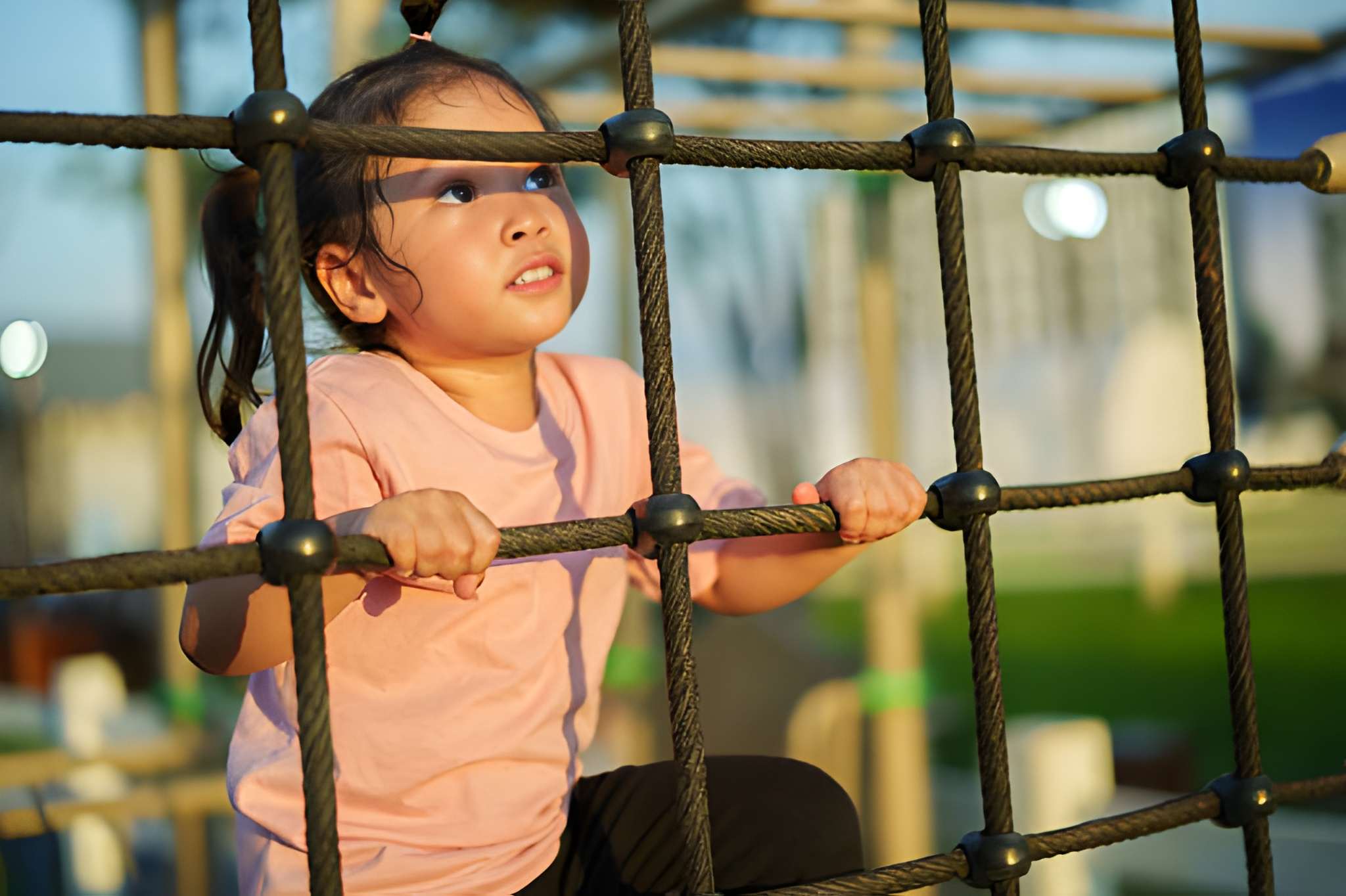
Introducing climbing nets into playgrounds and recreational spaces is an innovative approach to encouraging active, wholesome play among children. While visually striking and fun, these versatile play structures are more than just entertaining—their unique design supports a broad spectrum of developmental benefits, aiding children’s growth in several important areas.
Cargo climbing nets serve as an excellent medium for physical and mental stimulation, helping shape stronger, more resilient, and socially adept individuals. As more schools and community play areas turn to interactive installations, cargo nets stand out for their multifaceted advantages, contributing to both immediate enjoyment and lifelong skill-building.
Active play is a cornerstone of healthy childhood development, providing children with opportunities to overcome challenges and learn through experience. From building strength to enhancing cognitive abilities, cargo nets offer a comprehensive range of benefits that extend far beyond simple amusement.
As educators and parents seek the most effective ways to safeguard and stimulate young explorers, resources like safety nets have become equally important in modern playground design, emphasizing a balanced blend of excitement and protection. At the same time, children climb, swing, and play.
Physical Development
Engaging with cargo climbing nets inspires kids to move, stretch, and challenge their bodies in diverse ways. These activities help develop muscular strength and physical endurance as children grasp ropes, hoist themselves, and maneuver across open spaces. This form of play targets multiple muscle groups, making it a holistic physical workout for children of various age groups.
Climbing nets are also instrumental in improving balance and coordination. The irregular structure means children must remain steadily poised, coordinating their limbs in harmony to stay on the net. Every step, grab, and swing is an opportunity to fine-tune motor skills and reflexes that are vital for everyday movements and sports.
Flexibility is another notable benefit; climbing requires reaching, twisting, and stretching, enhancing the body’s range of motion and promoting joint health. These qualities support overall fitness, enabling children to develop habits that can help prevent common sports and outdoor activity injuries as they grow.
According to the Centers for Disease Control and Prevention, regular physical activity is linked to improved cardiorespiratory fitness, building strong bones and muscles, and controlling weight greater reasons to encourage climbing net play as part of a healthy routine.
Cognitive Growth
Physical play on cargo nets isn’t just about muscles it’s also a powerful way to foster brain development. Each ascent up the ropes requires problem-solving skills, as children plan the best route to the top and dynamically adjust their strategy as obstacles arise. These constant mental calculations help develop resourcefulness and adaptability.
Risk assessment is another cognitive skill that climbing activities naturally nurture. Children learn to gauge what they can safely manage versus what’s too risky, enhancing their judgment over time. This experience prepares them for real-world decision-making in both play and academic contexts.
Additionally, climbing builds spatial awareness, sharpening a child’s understanding of where their body is in relation to the net and to others around them. This spatial intelligence is foundational for success in sports, art, mathematics, and even in navigating unfamiliar environments.
Research featured by Verywell Family highlights how problem-solving scenarios in play settings, such as climbing nets, aid executive function development, thereby strengthening a child’s cognitive toolkit for handling new experiences and challenges.
Social Interaction
Most climbing nets are designed for group play, promoting collaboration and the development of key social skills. When children navigate these nets together as needed, teamwork comes naturally: they support, encourage, and strategize as a group to succeed in their shared challenge.
This setting is also fertile ground for enhancing communication skills. From offering advice to calling out safe spots, kids learn to express themselves clearly and listen actively in return. Through these interactions, empathy grows as children learn to cheer each other on or comfort those who may be struggling or hesitant.
Interactions on the net lay the groundwork for strong interpersonal relationships in later life and build self-confidence, as children discover the positive impact of cooperation and encouragement among peers.
Safety Considerations
Safety remains a top priority when incorporating climbing nets into play spaces. The first line of defense is a proper installation nets must be tightly secured to a supporting structure, ensuring they remain robust even with constant use. Professional installation is recommended to eliminate hazards and maximize stability.
Frequent inspections and diligent maintenance routines are crucial; checking for frayed ropes, loose knots, or deteriorating materials can prevent accidents before they occur. Playground supervisors and caretakers should adhere to recommended maintenance schedules, documenting routine checks and repairs.
Furthermore, design choices matter: nets ought to be tailored to the age and abilities of their intended users. Age-appropriate layouts and material choices help ensure safety without compromising on fun or accessibility.
For comprehensive guidance on best practices, parents and facility managers alike can reference Consumer Reports’ toy safety tips to keep playtime both secure and enjoyable.
Installation and Maintenance
Ensuring the longevity and performance of climbing nets requires thoughtful installation and ongoing maintenance. Choosing professional installers ensures the net is positioned correctly and anchored according to industry safety standards. This reduces the chances of shifting or detachment under heavy use.
The selection of materials also plays a key role. Durable, weather-resistant ropes and mesh are crucial for extending the life of the net, particularly in outdoor environments exposed to the elements. Clear guidelines on usage and routine maintenance checks can avert major repairs, preserving safety and minimizing interruptions in play.
Establishing a structured plan for monthly and seasonal inspections will keep the net in optimal condition, safeguarding an investment in active play for years to come.
Creative Uses Beyond Play
The advantages of cargo climbing nets reach beyond children’s playgrounds. In fitness centers and obstacle courses, nets serve as dynamic training tools for adults, delivering engaging full-body workouts that boost agility and core strength. Their flexibility also suits canine agility training, offering pets a stimulating challenge.
Outside the realm of play and exercise, repurposed cargo nets serve as functional additions to gardens, acting as sturdy trellises for climbing plants or vines. This adaptability highlights the creative and practical side of climbing nets, making them a valuable feature in a variety of community and household settings.
Conclusion
Cargo climbing nets are a staple of modern active play, weaving together opportunities for robust physical activity, cognitive development, and social growth. Their benefits extend far beyond mere fun, laying a foundation for healthy habits, supportive peer engagement, and confident problem-solving. When paired with careful installation and routine safety measures, these dynamic structures can provide lasting value in playgrounds, homes, and gyms alike, supporting children and adults as they climb to new heights.