Table of Contents:
- Why Durability Matters for Children’s Shoes
- Essential Features of Durable Footwear
- Materials That Stand Up to Play
- The Role of Construction in Shoe Longevity
- Ensuring the Right Fit for Active Kids
- Caring for Shoes to Prolong Life
- Current Trends in Durable Kids’ Footwear
- Tips for Replacements and Sizing
Why Durability Matters for Children’s Shoes
Children are constantly running, jumping, climbing, and testing the boundaries of their environment. This activity level means their shoes experience significant wear in a very short period. A durable shoe saves money on frequent replacements and provides stable support that’s essential for the health of growing feet. Choosing shoes from reputable sources like https://www.toms.com/en-us/collections/kids ensures you’re investing in quality matching your child’s adventurous energy. Sturdy shoes reduce risks of slips, falls, and injuries much more than flimsy, low-cost alternatives ever could.
Furthermore, medical experts highlight that shoes losing shape or padding can directly impact foot alignment, potentially causing blisters, calluses, or discomfort. Kids who can rely on their shoes during everyday activities and unexpected outdoor adventures are naturally more confident about exploring their world.
Essential Features of Durable Footwear
Not all shoes are created equal, especially for highly active kids. Several standout features define durable shoes. Reinforced toe caps prevent the shoe from wearing out at the very front, often the first spot to suffer during play. Double or triple stitching strengthens seams that endure repeated bending and flexing. Molded heel counters help shoes keep their shape and deliver optimal rearfoot support as children run, pivot, and land.
Thick, grippy rubber outsoles are necessary for good traction on slippery and uneven surfaces, reducing the risk of falls. Adjustable features, like sturdy hook-and-loop closures, elastic laces, or secure buckles, allow even young children to put on and remove shoes easily while ensuring a snug, comfy fit. Proper ventilation through breathable mesh panels reduces sweat and improves the overall lifetime of the shoe by preventing moisture accumulation and odor.
Materials That Stand Up to Play
The materials used in shoe construction greatly impact how long the shoes last, especially for children constantly on the go. Leather and advanced synthetics can take a beating, resisting abrasions, scrapes, and frequent flexing. Textile blends or performance mesh are favored for lightweight sports styles but they should be reinforced with rugged overlays where shoes face the most wear.
Vulcanized rubber soles and toe guards protect against scuffs and rough terrain. Today’s most durable models frequently blend tough, environmentally-conscious materials. As sustainability moves into the forefront, brands incorporate recycled plastics and natural dyes, combining eco-friendliness with child-proof construction. Tough textiles now deliver on both strength and breathability, ensuring shoes last under strenuous activity without sacrificing comfort.
The Role of Construction in Shoe Longevity
The construction methods determine whether a shoe will go the distance or fall apart after a few weeks of play. Hand-stitched shoes featuring heat-sealed seams are less likely to split under pressure than those quickly glued together. Durable shoes have multi-layered toe bumpers, double overlays at stress points, and robust lacing hardware to keep the upper firmly attached to the sole.
Construction quality also influences support. Firm footbeds, padded collars, and flexible but substantial midsoles protect feet from hard impacts during jumping or running. These engineered touches mean shoes stay comfortable and intact for many months, no matter how demanding your child’s activities may be.
Ensuring the Right Fit for Active Kids
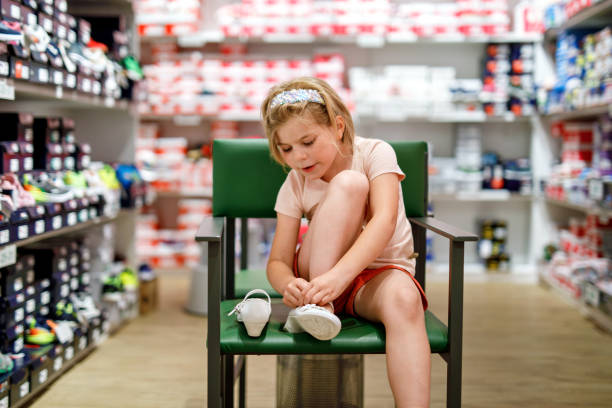
The best, toughest shoe is only as good as its fit. Shoes that are too tight or loose not only create discomfort but also wear down faster. Measure your child’s feet every two to four months, especially during quick growth. A thumb’s width between the longest toe and the shoe’s tip allows room for movement and growth, while a snug heel keeps the shoe in place.
Width is just as important as length shoes shouldn’t pinch or squeeze the sides of the child’s feet. When trying on shoes, wear socks your child will normally wear and let them walk and jump to test for comfort and sliding. Shoes that flex at the ball and stay secure through energetic motion will withstand rough play far better than those too rigid or loose.
Caring for Shoes to Prolong Life
Teaching kids a simple shoe-care routine makes a big difference in longevity. After play, please encourage them to knock off dirt, mud, or sand. Remove insoles to air out and wash them occasionally if possible. Dry shoes at room temperature—never with direct heat—to avoid shrinkage or deformation.
Regular shoe rotation gives each pair time to recover from moisture and daily wear. Leather shoes benefit from occasional conditioning. Show children how to open closures carefully to prevent Velcro or fastenings from losing grip. Good care habits help even moderately priced shoes outlast less well-maintained, more expensive pairs.
Current Trends in Durable Kids’ Footwear
Kids’ shoe trends highlight the blending of eco-friendly practices and high-performance features. Many options boast memory foam insoles, reinforced stress points, and ultra-grippy outsoles. The American Academy of Pediatrics guidance advocates for supportive shoes adapted to children’s activity levels and growth.
As noted by Footwear News, many brands use recycled or plant-based fabrics without sacrificing toughness. Styles are now designed with kid-approved themes and smart tech for easy cleaning. These developments reflect a shift toward responsible consumerism, ensuring shoes remain sturdy partners for youthful play.
Tips for Replacements and Sizing
Children’s feet grow quickly and unevenly, so regular checks prevent surprise discomfort or damage. Try to measure quarterly, especially before school terms or sports seasons. Replace shoes when the tread wears thin, toes press at the front, heels slip, or your child complains of pinching or soreness.
Let your child try on new pairs in the afternoon when feet are at their largest. Walk and jump in the shoes to ensure a stable fit. If possible, rotate between two pairs to allow material recovery. With diligent monitoring and the right selection process, kids’ shoes will support happy, healthy, rough-and-tumble days one step at a time.