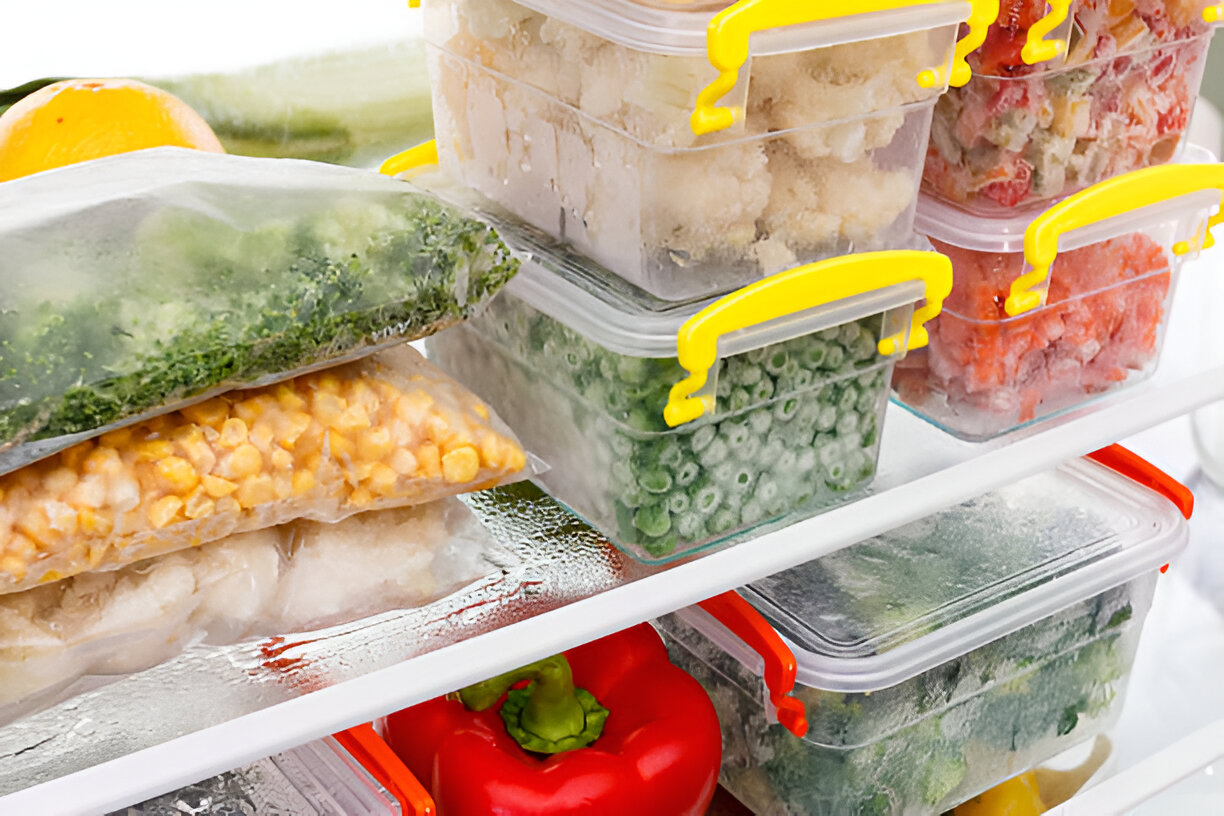
Frozen foods have made a major comeback. From ready-to-eat meals and smoothie blends to plant-based proteins and ethnic entrees, freezer aisles are full of innovative products from both legacy brands and fast-moving startups. But behind every successful frozen launch is one key factor: the right packaging.
A frozen food bag must do far more than survive extreme temperatures. It needs to handle expansion, resist punctures, maintain seal integrity, and still look great on the shelf. At ePac, we specialize in packaging that balances science with design—giving your frozen product the performance it needs and the branding it deserves.
Why Frozen Meals Expand—and What Your Packaging Needs to Handle It
One of the most overlooked challenges in frozen packaging is product expansion. When liquids, sauces, or moisture-rich ingredients freeze, they expand—sometimes dramatically. This can put stress on seals, side gussets, and film layers.
1. Freeze expansion is real—and predictable
Water expands by roughly 9% when it freezes. In products like soups, pasta dishes, or curries, that extra volume creates internal pressure. If your bag isn’t designed to flex and absorb that pressure, it can lead to burst seams or compromised seals.
2. Structural integrity matters
Flexible packaging isn’t just about bending—it’s about bouncing back. Films must be engineered with elasticity and toughness to handle freeze-thaw cycles without cracking or delaminating. This is especially true for stand up pouch packaging, which must retain their shape and reseal properly after opening.
3. Seals are a critical failure point
The corners and edges of pouches are where failures most often occur. That’s why ePac uses advanced heat-seal technology and multilayer films to prevent blowouts—especially during transport and storage where bags may get jostled or stacked under pressure.
PET vs. Nylon PE: Choosing the Right Film for Your Product
Not all films are created equal. Choosing the right combination of materials for your frozen food bag depends on your specific product formulation, storage environment, and branding needs.
Polyethylene Terephthalate (PET)
PET offers strong print quality, stiffness, and resistance to punctures. It’s often used as the outer layer in frozen food applications due to its durability and high-temperature tolerance. PET is ideal for packages that need structure and aesthetic polish, especially when combined with high-quality print finishes.
Nylon PE (Polyethylene)
Nylon PE offers exceptional flexibility and stretch, making it better suited for products that are high in moisture or likely to expand during freezing. It resists tearing even under pressure and maintains seal integrity across extreme temperatures. This combo is perfect for frozen items like marinated proteins or liquid-heavy meals.
Bonus: Co-packaging across product lines
If your brand plays in both the frozen space and shelf-stable snacks, using similar materials and visual elements across formats—like chip bags—helps reinforce brand consistency while optimizing print runs and supplier coordination.
The science behind frozen food packaging is complex—but your customer should never notice. With smart film selection, thoughtful design, and tested durability, your frozen food bag can protect your product, elevate your brand, and help you move faster in a competitive category. At ePac, we make sure your packaging doesn’t just freeze—it performs.