So I’m sitting in my kitchen this morning, staring at my phone while my coffee gets cold, thinking about how absolutely insane my schedule has become. Between my job, my kids’ activities, and trying to maintain some semblance of adult friendships, I barely have time to breathe. But then I remembered something that happened last month that completely changed how I think about stress management. My teenage nephew was visiting, and instead of being glued to some violent video game like I expected, he was quietly playing what looked like a simple puzzle game on his tablet. When I asked him about it, he said it helped him concentrate better on his homework. That got me curious. Could something as basic as playing simple games actually help with all this daily chaos we’re dealing with?
Carving Out Mental Space When Everything Feels Overwhelming
The problem with always being busy is that your head never gets an opportunity to fully recharge. I learned this the hard way one week when I was working extremely hard. My brain was switching from one pressing task to the next, and I could not concentrate on anything longer than a few minutes. That’s when I recalled my nephew’s puzzle game tip. I downloaded something similar and tested it during lunch. What followed surprised me—my mind finally stopped its panicked thinking for an entire day. The game created this weird little pocket of calm where I could focus on a single simple thing without twenty others competing for my attention. It’s like finding an empty corner in a crowded restaurant where you can finally think.
Learning to Focus Through Simple, Repetitive Activities
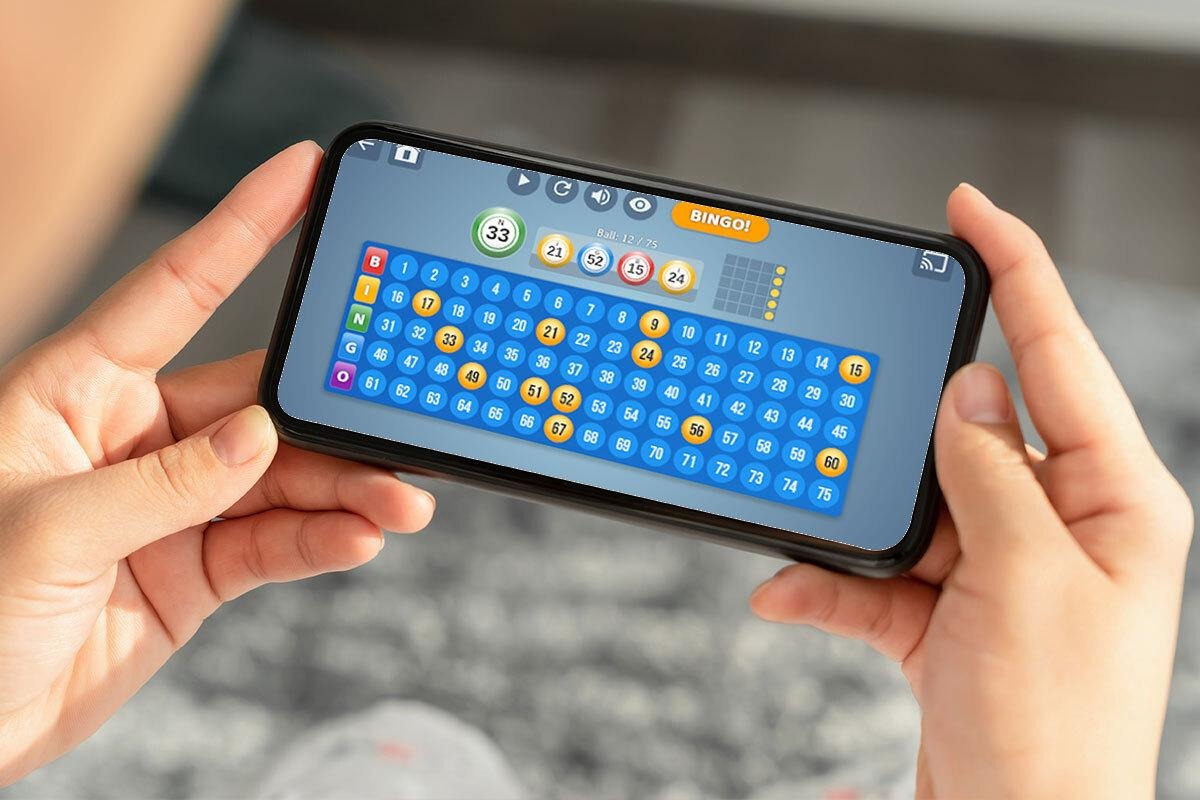
There’s real wisdom in activities that require gentle concentration without being mentally exhausting. My grandmother used to take me to church bingo nights when I was a kid, and I never understood why she found it so relaxing. Now I get it. Learning how to play bingo taught me about the meditative quality of following simple patterns and rules. Your mind gets absorbed in the rhythm of listening for numbers, scanning your card, and marking matches. Simple games work the same way—they give your brain something structured to focus on without overwhelming it. The repetitive nature actually quiets all the background noise of daily worries and creates space for your mind to settle down.
Collecting Evidence That You Can Handle Challenges
One thing I’ve realized about managing stress is that you need regular proof that you’re capable of solving problems, even small ones. Real-life accomplishments can take forever to materialize, but simple games give you immediate feedback that you can figure things out. Last Tuesday, I was feeling completely defeated by a project at work when I took a quick gaming break. Solving those puzzle levels reminded me that I actually am good at working through challenges. It might sound ridiculous, but those tiny victories add up to real confidence. Your brain starts to remember that obstacles are solvable rather than insurmountable.
Practicing Problem-Solving in a Safe Environment
Playing logic games has genuinely improved how I approach problems in other areas of my life. When you’re working through a puzzle, you’re practicing the same mental skills you need everywhere else—looking at situations from different angles, trying various approaches, and adapting when your first idea doesn’t work. The beautiful thing about game challenges is that they’re designed to be fair and solvable with enough persistence. This trains your brain to approach real-world obstacles with curiosity rather than panic. I’ve noticed that after gaming sessions, I come back to work problems with fresh ideas and more willingness to experiment.
Finding Control in an Unpredictable World
Real life throws curveballs that you can’t see coming or control. Simple games provide the opposite experience—challenges that are consistent, fair, and ultimately conquerable. This sense of agency is incredibly healing when you’re dealing with chronic stress or feeling powerless in other areas of your life. When everything else feels chaotic and unpredictable, successfully completing a game level proves that you can still make things happen. The confidence from these controlled victories builds up over time, making you feel more equipped to handle whatever uncertainty comes your way.
Strengthening Your Ability to Concentrate
I figured I just was naturally horrible at focusing, but playing strategy games has actually made me more attentive in other areas of what I do. It requires extended attention to detail, planning several steps in advance, and remaining on task in spite of distraction. It is nearly like performing exercises that are specifically designed to make you more attentive.
My friends have commented that I seem more present during conversations and better at sticking with difficult tasks at work. The focus skills you develop in games absolutely transfer to real-world situations—reading books, having meaningful conversations, working on complex projects.
Creating Easy Opportunities for Social Connection
Simple games have given me surprisingly natural ways to connect with people without having to plan elaborate social activities. My coworkers and I started sharing daily puzzle scores, which gives us something light and positive to talk about during stressful workdays. Online communities around simple games tend to be supportive and encouraging rather than competitive or toxic. There is something universally relatable about struggling with the same hurdle or celebrating a breakthrough moment. These shared gaming experiences create bonds without requiring deep personal conversations, which can be exactly what you need in hectic or emotionally draining periods.
Conclusion
Casual games aren’t vacuous time-wasters—they’re real tools for maintaining mental well-being in our over-stimulated existence. They provide carefully calibrated doses of challenge, achievement, and relaxation that keep us balanced and on track. In a society in which play is too commonly viewed as a trivial pursuit, these gaming breaks have real mental health benefits that easily insert themselves into busy schedules. Next time you find yourself feeling guilty for spending a few minutes playing a simple game, remind yourself that you’re actually investing in your emotional resilience and cognitive well-being.