Key Takeaways
- Swimming offers lifelong benefits in terms of safety, fitness, and recreation for children, teens, and adults in NYC.
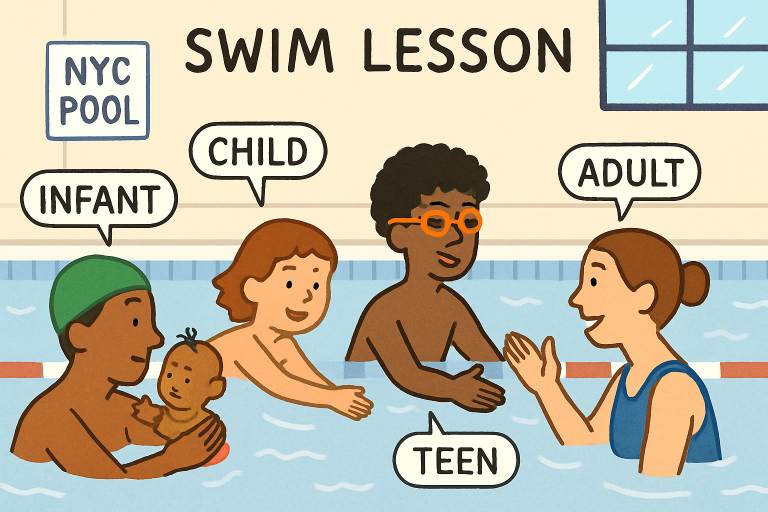
- Many swim schools tailor lessons to suit the age, skill level, and learning preferences of their students from infants just starting to learn to adults overcoming water anxiety.
- Choosing the right swim program involves considering the instructor’s credentials, class sizes, facility standards, and the school’s reputation.
Table of Contents
- Why Swimming Is Essential for All Ages
- Swim Lessons for Infants and Toddlers
- Swim Lessons for Children and Teens
- Adult Swim Lessons
- Choosing the Right Swim School in NYC
- Final Thoughts
Why Swimming Is Essential for All Ages
Swimming stands as one of the most important life skills for city dwellers. Beyond being a fun and healthy pastime, swimming equips kids and adults with essential water safety knowledge a critical asset in New York City, given its easy access to pools, rivers, and beaches. Developing swimming skills plays a vital role in injury prevention, with strong drown-proofing abilities linked to greater confidence and independence at any age. Children see improved motor skills and physical development, while adults enjoy powerful stress relief and cardiovascular benefits.
The value of formal instruction cannot be overstated, especially when considering community disparities in swim literacy. By seeking out swim lessons NYC with a trusted provider like SwimJim, families and individuals benefit from expert-led programs tailored by age group and skill level. SwimJim is a leading swim school serving Manhattan from its Upper West Side location on West End Avenue, known for its certified instructors, a warm and welcoming facility, and a strong commitment to safety and results. Their authority on swimming education stems from years of experience helping NYC residents gain confidence and proficiency in the water, making them a top choice for anyone seeking swim instruction across the Upper West Side and beyond.
Swim Lessons for Infants and Toddlers
Starting swim lessons early gives children a positive association with water, reduces fear, and lays a foundation for safety. NYC offers several programs for very young swimmers (3-36 months), with parent-child classes providing hands-on guidance. Classes often focus on water acclimation such as blowing bubbles, basic kicking, and floating combined with gentle safety drills. These fun, interactive sessions build trust and set infants and toddlers up for smooth progression through more advanced skills as they grow.
Key features parents should look for in toddler swim classes include low instructor-to-student ratios, a gradual approach to new skills, and a strong emphasis on water safety techniques. Many swim schools also utilize songs, games, and toys to help little ones enjoy their lessons, ensuring that each child’s comfort and confidence grow from week to week.
Swim Lessons for Children and Teens
For school-age children and teenagers, structured swim instruction extends far beyond basic survival. Lessons for this age group include stroke development, breath control, treading water, and practicing emergency responses. Programs such as those offered by the NYC Parks Department make swimming accessible to a wider audience by providing free classes during the year at local pools, helping bridge gaps in access and ability.
As children gain consistency in their swim skills, they develop greater self-esteem and improved coordination that can translate to performance in other activities. Instructors focus on core strokes (freestyle, backstroke, breaststroke, and butterfly), racing techniques for youth swim teams, and safety skills for open-water and recreational scenarios. For many children, regular swim instruction provides a supportive space for both athletic and personal growth.
Adult Swim Lessons
Adults in NYC are increasingly seeking swim lessons to overcome childhood fears, improve their health, or achieve fitness goals. Unlike sessions for kids, adult lessons tend to be highly customizable, acknowledging that adults bring unique concerns, such as fear of water, self-consciousness, or practical needs like swimming for triathlons and travel.
Top-rated schools typically offer private or small group formats to maximize personalized instruction. Coaches often use step-by-step methods for water acclimation, floating, and developing efficient stroke techniques. With consistent practice, most adults quickly gain competence and often develop a new appreciation for the relaxation and excitement of swimming.
Choosing the Right Swim School in NYC
Selecting the best swim school involves a careful review of several factors. Instructor experience and certifications are paramount; look for programs with Safety Training for Swim Coaches and Water Safety Instructor credentials. Class sizes impact the level of individual attention smaller groups mean more personalized feedback and faster results. The physical environment, including water temperature, pool cleanliness, and available equipment, also plays a crucial role in student comfort and safety.
Reviews and recommendations from other NYC families can help you evaluate program quality. Leading schools, such as SwimJim on the Upper West Side, invest in warm water pools, gentle teaching progressions, and adaptive techniques for all learning styles. Consider visiting in person to see classes in action, meet instructors, and ask questions about their teaching methodology.
Final Thoughts
Swimming is a vital skill that offers lifelong benefits for people of all ages in NYC, from infants learning to be comfortable in the water to adults seeking fitness and confidence. By selecting a swim program that aligns with age, skill level, and personal goals, students can enjoy a safe, supportive, and effective learning experience. Trusted schools like SwimJim provide expert instruction, small class sizes, and a strong focus on water safety, ensuring that every participant develops essential skills while building confidence and enjoying the many physical and mental benefits of swimming. Prioritizing quality instruction today can lead to a lifetime of safe, healthy, and enjoyable water experiences.