Total parenteral nutrition (TPN) bags deliver essential nutrients directly into the bloodstream for patients who are unable to eat or absorb nutrients normally. These solutions typically contain carbohydrates, proteins, fats, vitamins, minerals, and fluids tailored to individual needs. Understanding how TPN is prepared, administered, and monitored helps patients feel more confident and involved in their care. Proper handling, regular monitoring, and communication with healthcare providers are key to preventing complications, ensuring safety, and maximizing the benefits of TPN therapy during recovery or long-term nutritional support.
Understanding Total Parenteral Nutrition (TPN)
Total Parenteral Nutrition (TPN) is a medical method of delivering essential nutrients directly into the bloodstream, bypassing the digestive system. This approach is vital for individuals who cannot absorb nutrients through their gastrointestinal tract due to various medical conditions. TPN provides a balanced mixture of carbohydrates, proteins, fats, vitamins, and minerals tailored to meet each patient’s specific nutritional needs.
For a comprehensive understanding of TPN delivery systems, including the composition and administration of TPN solutions, you can refer to this detailed guide on TPN bag. Nutrishare, a specialized home infusion pharmacy, focuses exclusively on home TPN therapy, offering expert insights and services to patients nationwide.
The Role of TPN Bags in Nutritional Therapy
Total parenteral nutrition relies on carefully engineered TPN bags to safely deliver essential nutrients directly into the bloodstream. These containers are commonly manufactured from ethylene vinyl acetate (EVA), a flexible, medical-grade material valued for its chemical stability and low risk of interacting with sensitive nutrient formulations. TPN bags are often multi-chambered, allowing amino acids, lipids, vitamins, and dextrose to remain separated until use, which helps preserve potency. Their sterile construction, oxygen-barrier properties, and secure ports further protect against contamination. Together, thoughtful design and compatible materials help maintain nutrient integrity, support accurate dosing, and promote safe, reliable administration for patients.
Components of a TPN Solution
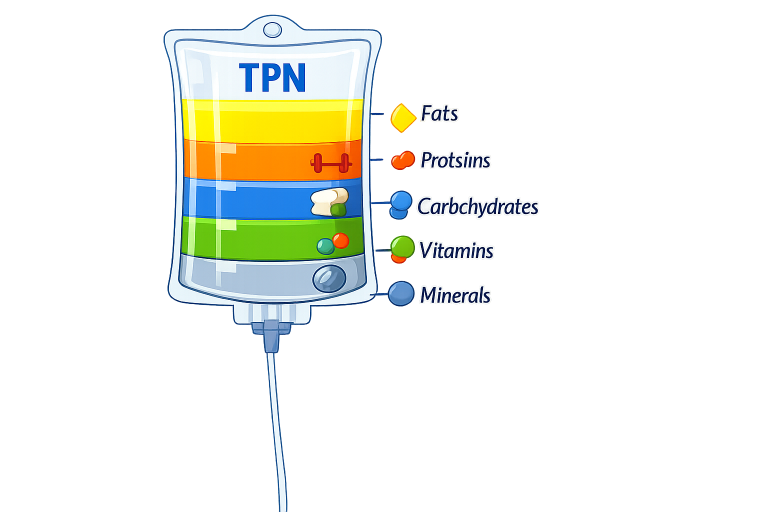
A standard TPN solution includes:
- Carbohydrates: Primarily in the form of glucose, providing energy.
- Proteins: Delivered as amino acids to support tissue repair and growth.
- Fats: Supplied through lipid emulsions, offering essential fatty acids and additional energy.
- Vitamins and Minerals: Essential micronutrients to support various bodily functions.
Each component is carefully measured and mixed to meet the individual patient’s requirements, ensuring optimal nutritional support.
Indications for TPN Therapy
TPN is indicated for patients who cannot meet their nutritional needs through oral or enteral routes. Common conditions necessitating TPN include:
- Short bowel syndrome
- Severe pancreatitis
- Intestinal obstruction
- Malabsorption syndromes
In such cases, TPN serves as a critical lifeline, providing necessary nutrients to maintain health and support recovery.
Administration and Monitoring of TPN
Total parenteral nutrition (TPN) is usually delivered via a central venous catheter, allowing a concentrated nutrient solution to bypass the digestive system and enter the circulation immediately. Because this access goes directly into a major vein, meticulous catheter care is vital. Clinicians emphasize strict aseptic technique during insertion, dressing changes, and line access to reduce contamination and bloodstream infections. Ongoing monitoring is equally important, including checking fluid balance, electrolytes, blood glucose, and liver function. Healthcare professionals evaluate tolerance, identify complications, and adjust calorie intake, micronutrient supplementation, and infusion rates. These careful practices help ensure safe therapy, optimize nutritional support, and promote recovery.
Potential Complications and Management
While TPN is a life-saving intervention, it carries potential risks, including:
- Infections: Central line-associated bloodstream infections (CLABSI) can occur if proper catheter care is not maintained.
- Metabolic Abnormalities: Issues such as hyperglycemia or electrolyte imbalances may arise and require careful monitoring and management.
- Liver Dysfunction: Long-term TPN use can lead to liver complications, necessitating regular liver function tests.
Proactive management and adherence to protocols can mitigate these risks and ensure patient safety.
Advancements in TPN Therapy
Recent advancements have significantly enhanced the safety and effectiveness of TPN therapy. “All-in-one” admixtures consolidate amino acids, lipids, dextrose, electrolytes, vitamins, and trace elements into a single sterile bag, streamlining preparation, minimizing handling, and lowering contamination and infection risks. At the same time, indirect calorimetry measures oxygen consumption and carbon dioxide production to calculate individualized energy expenditure. This data helps clinicians tailor macronutrient delivery, avoid overfeeding or underfeeding, improve metabolic stability, and support improved outcomes for patients requiring parenteral nutrition.
Home TPN: Enhancing Quality of Life
For patients requiring long-term TPN, home administration offers a viable option, allowing individuals to maintain a more normal lifestyle. Home TPN programs provide comprehensive training for patients and caregivers, covering aspects such as catheter care, infusion techniques, and recognizing potential complications. This approach empowers patients, offering greater independence while ensuring they receive the necessary nutritional support.
Conclusion
Understanding the intricacies of TPN and the critical role of TPN bags is essential for patients and caregivers navigating this complex therapy. With proper management, monitoring, and advancements in TPN delivery systems, patients can achieve better health outcomes and a higher quality of life. For those seeking expert guidance and individualized support, the Home TPN with Nutrishare program stands out, offering specialized services tailored to meet the unique needs of TPN patients.