Key Takeaways
- Regular asphalt maintenance enhances safety and accessibility in community spaces.
- Professional services can extend pavement life, reducing long-term costs.
- Well-maintained asphalt contributes to a community’s aesthetic appeal and property values.
Table of Contents
- Importance of Asphalt Maintenance
- Common Asphalt Issues in Community Spaces
- Benefits of Professional Asphalt Maintenance
- Sustainable Practices in Asphalt Maintenance
- Case Studies of Successful Asphalt Maintenance
- Choosing the Right Asphalt Maintenance Provider
- Conclusion
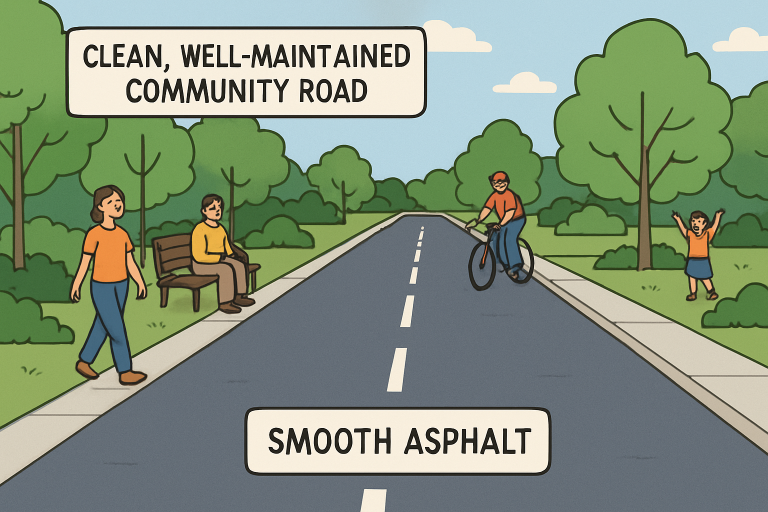
Maintaining the quality and integrity of communal infrastructure is essential for thriving, welcoming neighborhoods. While landscaping and amenities receive much attention, the state of asphalt surfaces like roads, parking lots, and pathways often goes unnoticed despite their critical role in daily life. Proper pavement repair and maintenance by professionals ensures these surfaces remain safe, accessible, and appealing for every community member.
Community spaces with well-kept asphalt not only look better but also function more reliably, contributing to both safety and property values. With regular attention from qualified experts, communities can extend the life of their asphalt investments and avoid the headaches and costs associated with major repairs or premature replacements. Consistent maintenance routines further support community pride and environmental responsibility by incorporating sustainable methods that minimize ecological impact.
When local leaders and property managers prioritize asphalt maintenance, they help reduce accidents and improve mobility for residents of all ages and abilities. Neglected, cracked, or aging asphalt can quickly pose hazards, impede access, and diminish quality of life. By addressing issues early, communities lay the groundwork for long-term resilience, safety, and top-notch curb appeal.
Modern asphalt maintenance is not just reactive. Many providers also proactively monitor high-traffic areas to spot potential problems before they worsen, emphasizing preventative care as the most cost-effective approach. This strategic mindset does more than prevent potholes; it supports community growth, effective transport, and collective well-being.
Importance of Asphalt Maintenance
Asphalt infrastructure forms the backbone for transportation and accessibility within most neighborhoods. Over time, wear and tear from traffic, weather, and environmental stressors naturally degrade these surfaces. Disregarding routine care can accelerate this deterioration, transforming manageable cracks or holes into widespread hazards that threaten safety and disrupt daily routines.
Professional upkeep is crucial to halting this cycle. Regular inspection and early intervention prevent minor defects from escalating. These timely efforts keep community surfaces smooth, minimize liability risks from injury or vehicle damage, and lessen the need for costly large-scale reconstruction projects.
Common Asphalt Issues in Community Spaces
Community asphalt surfaces encounter a handful of persistent challenges:
- Cracking: Temperature shifts and constant pressure from vehicles cause surface and structural cracks that can quickly widen if left untreated.
- Potholes: Water sneaks into small asphalt openings. When it freezes and thaws, the expansion and contraction erode material, leading to classic potholes.
- Rutting: High traffic creates grooves or depressions that compromise traction and drainage, increasing safety risks.
- Fading: Prolonged exposure to sunlight causes the asphalt binder to break down, leaving surfaces brittle and colorless over time.
These issues are not just cosmetic. They pose real threats to mobility, accessibility, and the overall health of community infrastructure, as noted by The New York Times in its coverage on how road conditions affect neighborhoods.
Benefits of Professional Asphalt Maintenance
Investing in expert asphalt care yields numerous returns for communities:
- Enhanced Safety: Timely repairs eliminate trip-and-fall hazards, protect cyclists and pedestrians, and lower accident rates on local roads.
- Cost Savings: Preventive services (like sealcoating and crack filling) delay expensive replacement, stretching municipal budgets further.
- Improved Aesthetics: Fresh, even asphalt makes parks, schools, and shopping areas more inviting, motivating residents to spend time outdoors and support local businesses.
- Increased Property Values: Well-kept community infrastructure, including roads and parking lots, directly contributes to higher real estate values and stronger markets.
According to the Forbes Real Estate Council, neighborhoods with reliable infrastructure and regular maintenance see better investment and resident satisfaction.
Sustainable Practices in Asphalt Maintenance
Many contemporary asphalt maintenance companies adopt environmentally mindful strategies. Reclaimed asphalt pavement (RAP) and warm-mix asphalt production help lower emissions and reuse valuable materials, supporting both community and global sustainability goals. Installing permeable asphalt or using recycled content in repairs not only conserves resources but also enhances the longevity of the surfaces.
The Asphalt Pavement Alliance highlights that incorporating these sustainable practices can dramatically reduce the environmental footprint, amounting to emissions reductions comparable to taking over half a million cars off the road each year.
Case Studies of Successful Asphalt Maintenance
- Tucson, Arizona: Through a targeted initiative blending sustainability with local revitalization, crews there transformed worn community roads with eco-friendly materials and upgraded safety measures. Residents report increased use and positive feedback, illustrating how effective maintenance builds community pride and accessibility.
- Granada Village, Florida: Facing fast asphalt wear due to heat and humidity, neighborhood leaders embraced state-of-the-art pavement preservation tactics. By signing on with experienced professionals and strategically planning preventative care, they prolonged road life and saved on future repair budgets.
Choosing the Right Asphalt Maintenance Provider
Finding a reputable, skilled maintenance partner is key to any community. Evaluate companies based on their expertise with local projects, a broad range of offered services, commitment to sustainable methods, and authentic feedback from past clients. Look for providers with transparent communication, reliable scheduling, and visible evidence of successful work on similar properties or public spaces.
- Experience and Reputation: Established providers with a strong community presence are more likely to deliver on quality and reliability.
- Range of Services: Companies should offer comprehensive packages, from sealing minor cracks to full-scale resurfacing or eco-friendly upgrades.
- Sustainable Practices: Opt for those who integrate modern, environmentally conscious solutions in their maintenance routine.
- References and Reviews: Positive testimonials and a robust project portfolio offer peace of mind and insight into expected outcomes.
Conclusion
Professional asphalt maintenance is a fundamental part of creating vibrant, resilient, and inclusive community spaces. By proactively addressing wear and prioritizing sustainable methods, neighborhoods can ensure their shared infrastructure remains safe, attractive, and functional for years to come. The decision to invest in expert care benefits communities by improving safety, reducing costs, preserving the environment, and boosting property values and local morale.