Key Takeaways
- Research provides critical insights into user behaviors, needs, and preferences.
- Integrating research early in the design process leads to more user-centric products.
- Combining qualitative and quantitative research methods offers a holistic understanding of user experiences.
- Continuous feedback loops and iterative testing refine product designs effectively.
- Leveraging advanced technologies like AI and digital prototyping enhances the research and design process.
Understanding User Needs Through Research
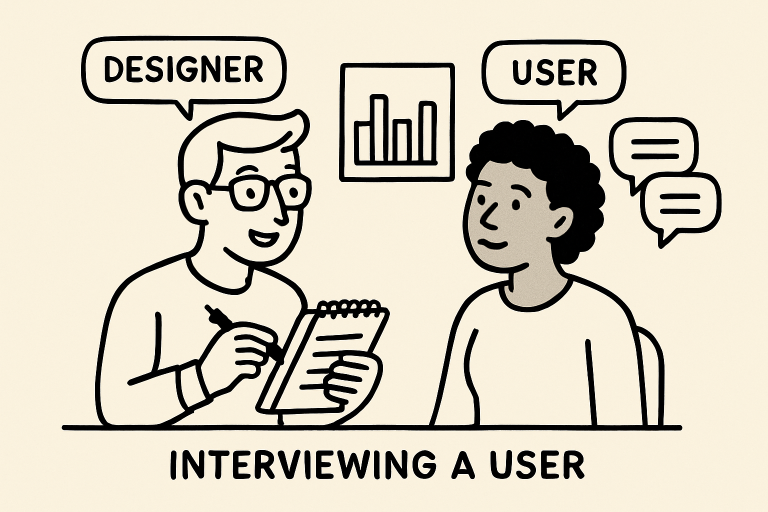
Success in product design begins with insight. To build products that stand out and truly serve users, brands must dig beneath the surface to understand real needs, pain points, and behaviors. Conducting purposeful user research, such as interviews, surveys, and usability evaluations, brings these factors to light. By investing in strategic research early, companies identify what users value most and where products might fall short. Material provides market research surveys to help teams collect actionable consumer insights right from the start, ensuring solutions are grounded in user data rather than assumptions.
Placing users at the center is not just a design imperative. It drastically reduces the risk of launching products that fail to connect or miss the mark. When research is intentionally embedded in the process, designers can observe patterns, gather meaningful stories, and validate ideas that inform every stage of development. Understanding how users think and behave around products is crucial for effective improvement and innovation.
Integrating Research Early in the Design Process
The window for making critical design decisions often opens before the first prototype is built. Early research acts as a compass, offering direction and highlighting unspoken needs or unseen obstacles. By involving researchers from the start, teams collaborate on actual user needs rather than making guesses. This early integration increases the odds of delivering solutions users love and future-proofing products against shifting market demands.
Adobe’s design leadership emphasizes that when research happens at the conceptual phase, teams validate not just what to build, but why. Such early insight also saves time and investment that might otherwise go into reworking features that fail during user testing.
No single method provides a complete picture. The most impactful product research combines qualitative approaches, such as focus groups or ethnographic studies, with quantitative data collection, including online analytics, surveys, and metrics. Qualitative insights help interpret the emotional drivers and pain points behind user behaviors. Quantitative data render those findings in measurable form, revealing trends, statistical significance, and priority areas for action.
Balancing both approaches allows product teams to pinpoint what matters most to their customers, while confirming those findings with empirical evidence. For example, qualitative interviews might uncover a frustration users have with navigation, while usability analytics confirm this pain point affects a large percentage of the audience. A well-rounded strategy helps organizations prioritize which adjustments will have the greatest impact.
Building Feedback Loops into the Design Process
Today’s digital product lifecycles are defined by continuous experimentation and learning, highlighting the importance of adaptability in a fast-paced market. Feedback loops, such as regular A/B testing, live prototypes, and user feedback surveys, keep product development agile and user-focused. This ongoing dialogue with users ensures that teams are not just reacting to feedback but actively seeking insights as their products evolve. Instead of relying on one-off studies, teams stay connected with real users and learn as they go, enabling them to make informed decisions based on actual user experiences. This iterative approach leads to incremental, evidence-based improvements that can significantly enhance user satisfaction and engagement.
Iterative testing also reduces the risk of large-scale missteps that can derail a project. By engaging smaller groups in live prototype testing, design teams can validate hypotheses and adapt designs in real time, fostering a culture of innovation and responsiveness. This process of constant refinement minimizes wasted resources and effort, allowing teams to allocate their time and budget more effectively. Ultimately, the result is more competitive, resonant final products that are finely attuned to the target audience’s preferences and needs, giving companies a notable edge in the market. By embracing a mindset of continuous learning and adaptation, businesses position themselves to not only respond to market demands but also to anticipate and shape them.
Leveraging Advanced Technologies in Research
Advances in digital prototyping and artificial intelligence have transformed how teams conduct research and design better products. Digital prototyping enables designers to build and share virtual models quickly, allowing stakeholders and end users to explore concepts before any physical production. This rapid iteration not only enhances collaboration but also fosters creativity, as multiple ideas can be tested simultaneously. AI-driven analytics further expand this reach by helping process large datasets, uncover hidden patterns, and predict which features will drive the most value. By harnessing these technologies, researchers can now test ideas without the delays associated with physical iteration, rapidly optimizing their prototypes based on real-time user input.
At the same time, AI plays a crucial role in surfacing consumer preferences and sentiment from unstructured data, ranging from social media posts to product reviews, enabling smarter, quicker decisions. As a result, design teams can make informed choices that align closely with user needs and market trends, significantly reducing the risk of product failure. Ultimately, this integration of digital prototyping and AI not only streamlines the design process but also leads to the creation of innovative products that resonate with consumers.
Embracing Inclusive and Ethical Design Practices
The commitment to inclusive design has never been more vital. Building for users with diverse abilities and backgrounds makes products accessible to more people and often uncovers overlooked needs. Ethical design practices further establish trust and safeguard user well-being, especially amid growing concerns about data privacy, bias, and transparency. Incorporating diverse perspectives throughout research and design helps organizations avoid unintended consequences and deliver products that benefit society.
Thoughtful teams embed accessibility and ethics into their workflow, not as afterthoughts, but as primary considerations from kickoff to launch. This future-focused approach leads to solutions that meet legal requirements and, more importantly, ensure dignity and ease of use for all users.
Conclusion
Truly effective product design is inseparable from research. By listening to users through the entire design journey, combining qualitative depth and quantitative precision, seeking continuous feedback, leveraging the latest technology, and committing to ethics and inclusivity, teams shape products that are innovative, relevant, and confidently positioned for success. In an age of rapid change and growing competition, research is the foundation for delivering enduring, user-centric solutions.