Elevating Care Through Strategic Leadership
A 2022 study found that hospitals with strong clinical leadership had a 20% lower patient mortality rate. This statistic illustrates the powerful link between leadership and healthcare outcomes. Modern healthcare organizations are under immense pressure. Leaders face increasing regulatory requirements, rising patient expectations, and the ongoing staffing crisis. Effective leadership is no longer optional—it is the backbone of successful patient care and team performance.
This article explores practical strategies for clinical leaders to guide their teams toward excellence. These tactics aim to provide actionable solutions that address the demand for faster decision-making, improved collaboration, and better care delivery. Healthcare leadership is not defined by theory but by measurable impacts on patients, staff, and organizational success.
Defining Effective Medical Leadership in Today’s Healthcare
Strong medical leadership goes beyond administrative functions. It focuses on quick, informed decision-making, fostering open communication across disciplines, and maintaining ethical responsibility. Clinical leaders must juggle diverse responsibilities, from managing resources to ensuring patient care quality.
Unlike purely administrative managers, clinical leaders actively engage in patient care decisions. They need both technical expertise and people skills to guide teams through complex medical scenarios. Research supports the value of such leadership. For example, a study by Gallup found a 15% improvement in patient satisfaction scores when leadership created an environment of trust and accountability.
This type of leadership doesn’t just focus on high-level operations. It includes staying connected with frontline staff to address pain points and ensure alignment with organizational goals. Great medical leaders inspire confidence, foster collaboration, and drive tangible improvements in patient outcomes.
Building Cohesive Teams Under Clinical Direction
Effective teams thrive on trust, clarity, and communication. Building cohesive care teams starts with creating psychological safety, where staff feel comfortable voicing concerns or new ideas. Equally important is role clarity: when team members understand their responsibilities, overlaps and confusion decrease. Regular huddles also ensure alignment and allow for quick adjustments.
Consider the case of a hospital that struggled with uncoordinated discharge processes. By introducing structured debriefs and peer-to-peer coaching, the team improved communication and reduced patient readmission rates by 12%. These measures also enhanced morale, as staff felt more engaged and supported.
Two quick tactics to implement:
- Structured Debriefs: After major tasks, hold short feedback sessions to identify what went well and what can improve.
- Peer-to-Peer Coaching: Create opportunities for team members to learn from one another’s strengths.
These strategies empower teams to resolve friction and work toward shared goals.
Leveraging Data for Informed Medical Management Decisions
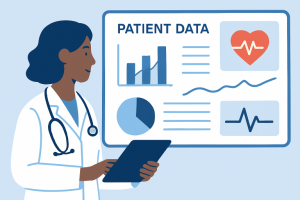
Effective medical management relies on real-time data. Metrics like readmission rates, average patient stay, and staff satisfaction offer insights into performance gaps. Rather than collecting endless statistics, leaders should prioritize meaningful dashboards that focus on metrics aligning with goals.
For example, a simple dashboard displaying infection rates and bed turnover times can highlight bottlenecks. The key is to avoid “data overload.” Leaders can focus by using real-time reporting tools to filter and organize information.
One tool to consider is integrated analytics software, which consolidates various data streams into actionable insights. This technology allows clinical leaders to make timely, informed decisions that improve care delivery and operational efficiency.
Cultivating a Culture of Continuous Improvement in Health Services
Continuous improvement ensures healthcare organizations stay agile and effective. A simple model like “Plan-Do-Check-Act” (PDCA) can be adapted for clinical environments. Leaders begin with a clear plan to address specific challenges, execute small pilot projects, assess results, and refine workflows.
Feedback loops play a critical role in this process. Encouraging input from frontline staff provides unique insights into potential improvements. Additional methods, such as routine training refreshers or cross-department collaboration, also strengthen the culture of progress.
Measurable milestones are essential for tracking impact. For example:
- Reduce documentation errors by 15% within six months.
- Improve patient discharge times by streamlining inter-department coordination.
By setting achievable benchmarks, leaders ensure improvements are consistent and impactful.
Balancing Administrative Duties and Patient-Centric Care for Clinical Directors
Clinical directors face the constant challenge of juggling paperwork and frontline care. Effective delegation and smarter workflows are key. Leaders can assign routine administrative tasks to dedicated staff or leverage specialized software to streamline compliance without compromising patient needs.
For instance, automating appointment management can reduce the clerical workload, freeing up time to focus on patient care. Using systems that integrate care plans and documentation in one platform also reduces stress and enhances efficiency.
For more insights into balancing these responsibilities, clinical directors can find value in tools designed specifically for their role. A medical director wears many hats, but thoughtful delegation and technology-based solutions help maintain compliance while keeping patient care at the forefront.
Closing the Gap: Linking Leadership Strategy to Tangible Patient Results
Leadership strategies directly impact patient satisfaction, staff retention, and hospital efficiency. Building better communication, fostering continuous improvement, and leveraging data drive clear, measurable outcomes.
To apply these ideas, start by mapping one or two tactics—like structured debriefs or building useful dashboards—onto your team’s current challenges. Observe the results over the next 30 days to measure their effectiveness.
Consistency is key. Sustained focus on leadership discipline transforms organizations. By addressing these vital areas, clinical leaders can shape positive change, improving both team morale and patient care.