Key Takeaways
- Rehab programs support both short-term sobriety and long-term personal development beyond initial recovery.
- Personalized treatment ensures each individual’s unique needs are addressed for the best outcomes.
- A strong, supportive community dramatically improves chances for lasting sobriety.
- Holistic therapies and skill-building nurture the whole person, supporting mind and body health.
- Aftercare, mental health services, and family engagement are crucial in maintaining lifelong recovery.
Table of Contents
- Personalized Treatment Plans
- Building a Supportive Community
- Holistic Approaches to Recovery
- Skill Development and Education
- Emphasis on Mental Health
- Aftercare and Continuous Support
- Family Involvement in Recovery
- Embracing a Purposeful Life
- Conclusion
Rehabilitation is far more than a means to achieve sobriety. It is a comprehensive journey that offers individuals support, healing, and renewed hope for the future. For those seeking structured help, programs such as Denver rehab in Colorado provide valuable resources tailored to each person’s unique needs, encouraging growth that lasts well beyond their time in treatment. As more people recognize the value of holistic recovery, rehabilitation centers have become crucial environments for fostering both lasting sobriety and genuine personal development.
Recovering from addiction and building a new life is a multi-layered process involving physical, mental, and emotional healing. At reputable rehab centers, recovery does not end with detoxification or the completion of an inpatient program. Instead, it serves as the launching point for long-term personal growth, skill building, and stronger relationships, all in service of a future fueled by purpose and well-being.
Personalized Treatment Plans
Effective rehabilitation recognizes that no two people have the exact same experiences, triggers, or underlying factors contributing to addiction. Personalized treatment plans, carefully developed through assessments and one-on-one sessions with professionals, enable individuals to address specific needs and challenges. This approach increases engagement and the likelihood of completing programs successfully, providing a strong foundation for self-growth and future stability. According to the National Institute on Drug Abuse, individualized care is a principle of effective treatment, reinforcing its critical role in recovery success.
Building a Supportive Community
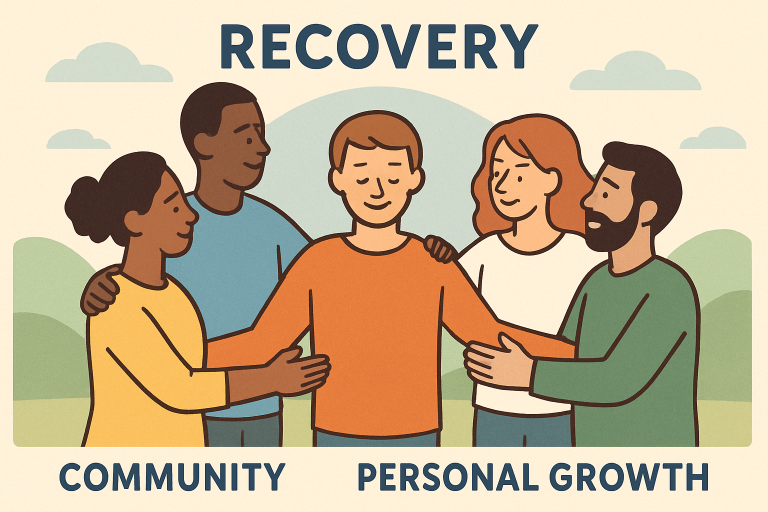
Recovery flourishes in the company of others who share similar goals for sobriety and long-term growth. Group therapy, peer support networks, and alumni programs are essential components of reputable rehab centers. These networks provide empathy, encouragement, and accountability, reducing feelings of isolation and reinforcing personal commitment to lasting recovery. When individuals belong to a supportive community, they gain access to perspectives and strategies that help them navigate obstacles more confidently.
Holistic Approaches to Recovery
The best rehab centers take a holistic approach, recognizing that addiction recovery must be comprehensive. Techniques such as yoga, mindfulness meditation, fitness training, and nutrition education address each dimension of well-being. These holistic practices not only decrease anxiety and improve physical health but also foster the resilience and emotional balance needed to sustain personal growth after leaving treatment. Integrating such practices into daily routines creates healthy patterns for managing stress and confronting potential relapse triggers.
Skill Development and Education
Personal development is a critical aspect of rehabilitation. Skill-building workshops, career counseling, and educational support open doors to future opportunities that may have been previously out of reach due to addiction. By equipping individuals with real-world skills, such as resume building, communication, or emotional regulation, rehab programs further protect against relapse and instill confidence. Empowering people to return to work or school, explore new hobbies, or reconnect with their ambitions fosters a renewed sense of purpose and hope. Continuous learning about addiction and recovery also empowers people to advocate for themselves and support others.
Emphasis on Mental Health
Many rehab participants experience co-occurring mental health challenges such as depression, anxiety, or trauma-related disorders. Concurrent treatment of both addiction and mental health significantly enhances outcomes, reduces relapse rates, and improves overall well-being. Incorporating individual and group therapy, psychiatric support, and medication management (when appropriate) ensures the root causes and symptoms of addiction are addressed in tandem with personal growth. Mental health care is a cornerstone of sustainable, holistic recovery.
Aftercare and Continuous Support
The transition back into daily life presents challenges as individuals move away from the structure of inpatient or intensive outpatient programs. Aftercare and continuous support are vital to bridging this gap. Services like ongoing therapy, support group attendance, relapse prevention planning, and sober living environments extend care far past the completion of a core program. Access to these services enhances long-term accountability and provides additional scaffolding during vulnerable moments.
Family Involvement in Recovery
The involvement of family members, loved ones, or trusted friends can have a transformational impact on recovery. Through family counseling, educational workshops, and communication skill-building, relationships affected by addiction can begin to heal. When families are educated about addiction and learn how to offer support, they not only encourage resilience in their loved one but also contribute to a healthier home environment. This collaborative effort promotes lasting recovery and helps build stronger, more supportive networks.
Embracing a Purposeful Life
Rehabilitation aims not just for freedom from addiction but also for creating a meaningful life. Programs help individuals explore passions, set goals, and engage in community activities, fostering a sense of purpose that supports ongoing sobriety. Rehabilitation centers provide essential tools and resources through personalized care, community support, and holistic services, enabling long-term sobriety and personal growth in a sustainable recovery environment.
Conclusion
Successful rehabilitation is a multifaceted process that goes beyond substance use treatment, incorporating personalized care, community support, mental health assistance, skill development, and long-term planning. Research highlights the need for individualized, comprehensive treatment to enhance recovery outcomes. A combination of evidence-based therapy and holistic practices fosters transformation, resilience, and a stable future. With appropriate support systems, individuals can achieve lasting change, maintain sobriety, and lead healthier, more fulfilling lives.