Living with feelings of detachment from yourself or your surroundings can be incredibly isolating and frightening. You’re not alone in this struggle. The prevalence rate of DDD is around 1% in the general population, consistent with previous findings. DDD is more prevalent amongst adolescents and young adults as well as in patients with mental disorders.
Many people experience these symptoms but don’t know where to turn for help. The good news? There are proven steps you can take to start your journey toward recovery. Getting the right treatment isn’t just possible—it’s your pathway back to feeling connected and real again.
Understanding Your Symptoms and Taking the First Step
The journey toward healing begins with recognizing what you’re experiencing and accepting that professional help can make a real difference. Many people struggle for years before realizing their symptoms have a name and effective treatments exist. Depersonalization-Derealization Disorder Treatment often starts with understanding the specific symptoms you’re facing. You might feel like you’re watching yourself from outside your body, or that your thoughts and actions don’t belong to you. These experiences can be terrifying, but they’re recognized symptoms of a treatable condition.
Physical sensations might feel distant or muffled. Your voice may sound strange to your ears, or you might feel disconnected from your emotions. These aren’t signs of weakness—they’re your mind’s way of protecting you from overwhelming stress or trauma.
When Reality Feels Like a Dream
Derealization disorder treatment addresses the equally disturbing feeling that the world around you isn’t real. Colors might seem dull, sounds muted, or familiar places suddenly feel foreign. Time can feel distorted, moving too fast or too slow.
This dreamlike state can make daily activities feel surreal and exhausting. You’re not losing your mind—you’re experiencing a documented condition that responds well to proper treatment.
Building Courage to Seek Help
Taking that first step toward Depersonalization-Derealization Disorder Treatment requires courage, but it’s the most important decision you’ll make. Many people delay seeking help because they can’t find the words to describe their experiences or fear being misunderstood.
Remember, mental health professionals are trained to recognize these symptoms. You don’t need to have all the answers before reaching out—that’s what professionals are there to help you discover.
Finding the Right Professional Support
Connecting with the right mental health provider can feel overwhelming, but breaking it down into manageable steps makes the process more approachable. Your choice of provider can significantly impact your recovery journey.
Choosing a Qualified Mental Health Provider
Look for therapists who specialize in dissociative disorders or trauma-related conditions. How to treat depersonalization requires specific expertise, so don’t hesitate to ask potential providers about their experience with these symptoms.
Psychologists, psychiatrists, and licensed clinical social workers can all provide effective treatment. What matters most is finding someone who understands your condition and makes you feel heard and validated.
What to Expect in Your First Appointment
Your initial session will likely focus on understanding your symptoms and medical history. Come prepared to discuss when your symptoms started, potential triggers, and how they affect your daily life. This isn’t a test—it’s an opportunity to help your provider understand your unique experience.
Be honest about your symptoms, even if they seem strange or hard to explain. Professional providers have heard it all before and won’t judge you for your experiences.
Insurance and Financial Considerations
Many insurance plans cover mental health treatment for depersonalization, but coverage varies. Call your insurance company to understand your benefits, including copays and session limits.
If you don’t have insurance, many providers offer sliding scale fees or payment plans. Community mental health centers often provide affordable options too. Don’t let financial concerns prevent you from seeking help—there are resources available.
Essential Treatment Approaches That Work
Several evidence-based treatments have proven effective for depersonalization and derealization symptoms. Understanding your options helps you make informed decisions about your care.
Cognitive Behavioral Therapy Benefits
CBT is often the first-line treatment for these conditions. This approach helps you identify and change thought patterns that contribute to your symptoms. You’ll learn to recognize triggers and develop healthier coping strategies.
Steps for derealization therapy using CBT typically include tracking symptoms, identifying negative thought patterns, and practicing new responses to triggering situations. The process takes time, but most people see improvements within several months.
Medication Options and Considerations
While there’s no specific medication for depersonalization-derealization disorder, some medications can help manage related symptoms like anxiety or depression. SSRIs (selective serotonin reuptake inhibitors) are commonly prescribed.
Always discuss potential side effects and benefits with your psychiatrist. Medication works best when combined with therapy, not as a standalone treatment.
Grounding Techniques for Daily Life
Learning grounding techniques gives you tools to manage symptoms when they arise. These simple strategies can help you reconnect with reality during difficult moments.
Try focusing on your five senses: name five things you can see, four you can touch, three you can hear, two you can smell, and one you can taste. This technique helps anchor you in the present moment.
Creating Your Personal Recovery Plan
Recovery isn’t a straight line, and having a personalized plan helps you stay focused on your goals while adapting to challenges along the way.
Setting Realistic Treatment Goals
Work with your provider to establish achievable goals. These might include reducing symptom frequency, improving daily functioning, or developing better coping skills. Breaking larger goals into smaller steps makes progress feel more manageable.
Remember that recovery takes time. Some people see improvements within weeks, while others need months or longer. Your timeline is unique to you.
Building a Support System
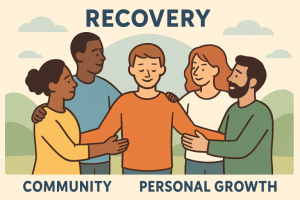
Recovery happens best with support from others who understand your journey. Consider joining support groups, either in person or online. Connecting with others who’ve experienced similar symptoms can reduce feelings of isolation.
Don’t forget about friends and family members who care about you. While they might not fully understand your condition, they can offer emotional support and encouragement.
Tracking Progress and Adjusting Plans
Keep a symptom diary to track your experiences and identify patterns. Note triggers, symptom intensity, and what helps you feel better. This information helps your provider adjust your treatment plan as needed.
Be patient with yourself during setbacks. Recovery isn’t linear, and temporary increases in symptoms don’t mean treatment isn’t working. These insights help create a more effective long-term strategy.
Common Questions About Starting Treatment
How to stop derealization?
Touch something warm or cold and focus on the sensation. Pinch yourself gently to feel how real you are. Find a single object and identify what it is and what you know about it. Count items in the room.
What are the grounding techniques for derealisation?
Engage your senses by touching objects with interesting textures like soft blankets or smooth stones. Hold an ice cube or splash cold water on your face. Smell something strong like essential oils or coffee.
How to help someone experiencing depersonalization?
Read up on the condition to understand it better. Validate their experience without judgment. Offer to attend a therapy session with them. Understand they might struggle to reach out for help.
Your Path Forward Starts Today
Starting treatment for depersonalization-derealization disorder might feel overwhelming, but you’ve already taken the first step by learning about your options. Remember, these conditions are treatable, and countless people have found their way back to feeling real and connected again.
Your journey toward recovery is unique, but you don’t have to walk it alone. Professional support, proven treatments, and your resilience can help you reclaim your sense of self and reality.