
Key Takeaways
- Chiropractic care focuses on spinal alignment to support natural healing, pain relief, and overall wellness.
- Treatments are personalized, non-invasive, and designed to address the root causes rather than just the symptoms.
- Spinal adjustments can improve mobility, reduce inflammation, enhance nerve function, and support better posture.
- Research supports chiropractic care as an effective option for managing back pain and reducing reliance on medication.
- Chiropractic benefits extend beyond physical health, potentially improving brain chemistry, reducing stress levels, and enhancing sleep quality.
- It plays a crucial role in sports medicine and is increasingly integrated with traditional healthcare to achieve holistic outcomes.
Understanding Chiropractic Care
Chiropractic care is an evidence-based practice focused on diagnosing and treating disorders of the musculoskeletal system, with a particular emphasis on spinal health. The foundation of chiropractic philosophy is the belief that the body has an inherent capability to heal itself when the spine and nervous system are functioning optimally. By carefully addressing spinal misalignments, or subluxations, chiropractors work not only to alleviate pain but also to promote the body’s natural healing abilities and support overall wellness and vitality. These spinal misalignments can contribute to a wide range of conditions, including chronic pain, headaches, joint dysfunction, and even issues such as fatigue or poor posture. Many patients whether suffering from chronic health issues or simply seeking preventative care turn to chiropractic care for relief from chronic pain, enhanced mobility, and improved quality of life. For individuals seeking a personalized and supportive approach, finding a female chiropractor can offer a comfortable, compassionate, and patient-centered experience, which can significantly impact the success of treatment and patient satisfaction.
Chiropractic treatment is highly individualized and typically involves a combination of manual spinal adjustments, targeted therapeutic exercises, and personalized lifestyle or ergonomic advice designed to prevent further injury and promote the patient’s overall well-being. These interventions are specifically crafted to restore normal spinal alignment, alleviate localized or referred pain, and foster better function of the entire nervous system. Some chiropractors also offer additional therapies such as myofascial release, electrical stimulation, or rehabilitation programs. Unlike many conventional treatments that rely heavily on medications or invasive procedures, such as surgery, chiropractic care offers a holistic and non-invasive alternative. The focus is on achieving long-term health outcomes and improving function, rather than just masking symptoms, ensuring that each patient receives the most comprehensive and sustainable care possible.
Mechanisms of Spinal Adjustments
Spinal adjustments, also referred to as spinal manipulations, are the cornerstone techniques of chiropractic care. During these procedures, chiropractors use their hands or specialized instruments to apply a controlled, specific force to targeted spinal joints and tissues. This action is meticulously designed to improve spinal movement, enhance the function of spinal joints, and reduce mechanical stress and tension throughout the body. By addressing the root causes of pain such as joint dysfunction or nerve interference rather than just the symptoms, chiropractic adjustments can result in measurable improvements in a patient’s quality of life.
Emerging research in the field of spinal health has found that spinal adjustments have a significant impact on the nervous system, affecting pain processing pathways and neurochemical responses. For example, adjustments can modulate the release of endorphins, the body’s natural painkillers, and may decrease levels of biochemical markers associated with inflammation and stress. According to the Centers for Disease Control and Prevention, back pain is one of the most common reasons adults seek medical care, and chronic back pain can become a major barrier to daily activity. Chiropractic adjustments can provide substantial relief for conditions such as sciatica, herniated discs, or tension headaches by restoring normal joint movement and reducing nerve irritation, thus allowing patients to return to their regular activities more quickly and comfortably.
Benefits of Chiropractic Care
- Pain Relief: Chiropractic care is highly regarded for its effectiveness in managing both acute injuries and chronic pain, especially in the back, neck, shoulders, and head. While many patients initially seek care for symptom relief, ongoing chiropractic services can offer sustained pain management for a variety of musculoskeletal ailments.
- Improved Mobility: By addressing joint restrictions, muscle imbalances, and soft tissue dysfunction, chiropractic adjustments support an improved range of motion and flexibility. Increased joint mobility has a cascading effect, often helping individuals move with greater freedom, enhance athletic performance, and reduce the likelihood of future injuries.
- Reduced Inflammation: Regular spinal adjustments have been shown to help decrease localized and systemic inflammation that often accompanies spinal misalignments or chronic injury. Lower inflammation not only allows for more comfortable movement but also supports overall immune system health.
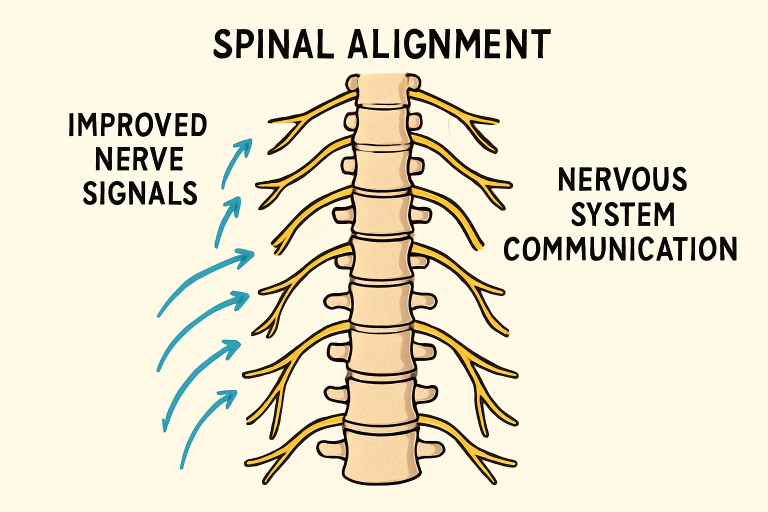
- Enhanced Nerve Function: Proper spinal alignment can alleviate pressure and irritation on the nerves, supporting healthier communication between the brain and peripheral body parts. This improved communication boosts the nervous system’s ability to regulate pain, motor function, and organ health.
- Better Posture: Chiropractic care frequently includes education on ergonomic habits and postural corrections, which are vital in today’s technology-driven lifestyle. Maintaining an improved posture is crucial for preventing chronic pain, supporting spinal health, and reducing the risk of future injuries, especially for individuals who spend long hours sitting or performing repetitive tasks.
Scientific Evidence Supporting Chiropractic Care
Over the past several decades, scientific studies have consistently validated the effectiveness of chiropractic care, particularly in addressing lower back pain. This debilitating condition affects millions of individuals globally at some point in their lives. A systematic review published in The National Center for Biotechnology Information demonstrated that spinal manipulation provided significant relief from acute lower back pain and, in many cases, outperformed other non-pharmacological interventions such as physiotherapy, exercise regimens, or standard medical care. Additional research highlights that when chiropractic treatment is integrated into a comprehensive, patient-centered management plan, outcomes such as pain reduction, improved function, and overall satisfaction are notably enhanced. Importantly, chiropractic care can decrease reliance on prescription pain medications and support the goal of minimizing opioid use while still effectively managing pain—a benefit that is increasingly valued in today’s healthcare environment.
Chiropractic Care and Brain Chemistry
Recent investigations reveal that chiropractic adjustments may have effects that extend far beyond the musculoskeletal system alone. For example, modern imaging studies, such as functional MRIs, have shown that patients with chronic low back pain who receive regular chiropractic care often exhibit changes in certain brain metabolite levels related to pain processing, mood regulation, and emotional well-being. Improvements in brain chemistry associated with chiropractic intervention suggest that, in addition to symptomatic relief, patients may also experience reduced anxiety, improved stress management, and overall enhanced mental health. As the connections between physical and emotional health become more appreciated, these findings reinforce the role of chiropractic care in supporting holistic well-being and a balanced nervous system. Patients who receive regular chiropractic adjustments often report improved sleep quality and increased energy, highlighting the interconnected nature of spinal health and overall well-being.
Chiropractic Care in Sports Medicine
Both professional and amateur athletes depend on optimal musculoskeletal health for peak performance, injury prevention, and efficient recovery from injuries. Chiropractic care plays a significant role in maintaining spinal alignment and joint mobility, crucial factors that can influence an athlete’s performance, reaction time, and resilience to stress from training or competition. By addressing joint restrictions and soft tissue problems, chiropractors help athletes recover more quickly from overuse injuries, such as tendonitis or muscle strains, as well as acute traumas that can occur on the field. In addition, chiropractors are skilled in designing individualized rehabilitation programs and often collaborate with athletic trainers to support return-to-play protocols, reducing the risk of re-injury without the need for excessive reliance on pain medications.
Integrating Chiropractic Care with Traditional Medicine
As healthcare evolves, chiropractic care is increasingly being recognized and integrated into mainstream medical practice as part of a multidisciplinary approach to overall wellness. By working closely with medical doctors, physical therapists, orthopedic specialists, and other healthcare professionals, chiropractors help coordinate a holistic strategy for managing pain, correcting biomechanical dysfunction, and promoting recovery. Such collaboration enables patients to receive more comprehensive treatment plans that address both immediate symptoms and the underlying causes of musculoskeletal issues, ultimately leading to improved long-term outcomes and reducing the need for surgical or pharmaceutical interventions. Integrative care empowers patients to take an active role in their health and encourages lifestyle changes that support physical, mental, and emotional well-being.
Final Thoughts
Chiropractic care offers a proven, drug-free pathway for achieving and maintaining better health through natural spinal alignment and nervous system support. Backed by robust scientific research and increasingly embraced within holistic health and sports medicine practices, chiropractic benefits include pain relief, enhanced mobility, reduced inflammation, and improved overall nervous system function. Consulting with a skilled chiropractor is a proactive step for anyone seeking to optimize their musculoskeletal health and overall vitality. A customized treatment plan tailored to a patient’s specific goals and needs can empower individuals to experience improved quality of life, enhanced physical performance, and lasting wellness at every stage of life.