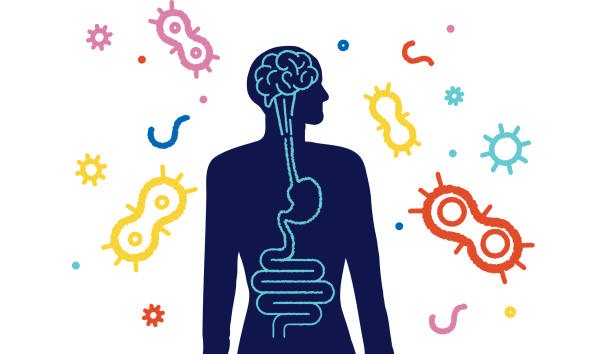
Bloating is one of the most common digestive complaints—affecting millions daily. That tight, swollen sensation in the abdomen, sometimes paired with gas or visible distension, isn’t just uncomfortable; it can interfere with concentration, disrupt routines, and even influence self-confidence.
While some episodes of bloating are fleeting, for others, it’s a recurring issue that no longer feels normal. But instead of simply blaming certain foods or slow digestion, research shows that we should be paying closer attention to what’s happening inside our gut microbiome.
Understanding how your gut bacteria contribute to bloating is the first step in addressing it not with symptom-masking strategies, but with long-term, internal balance. And that’s where targeted probiotic support begins to shine.
What Really Causes Bloating?
Many assume bloating results directly from something they ate, and while diet plays a role, it’s rarely the only cause. A variety of factors can trigger bloating, such as hormonal fluctuations, stress, disrupted motility, or food sensitivities. But at the center of these issues often lies a microbial imbalance.
The gut is home to trillions of microorganisms that help break down food, regulate inflammation, and influence nutrient absorption. When this ecosystem becomes unbalanced—a state known as dysbiosis—it can lead to excessive gas production, delayed digestion, and irritation in the intestinal lining.
Research in Gastroenterology has shown that individuals with IBS—a condition where bloating is a hallmark symptom—have significantly different gut flora profiles compared to healthy individuals.
How Gut Bacteria Shape Digestive Comfort
A healthy digestive tract relies on a balance of beneficial bacteria to process complex carbohydrates and fibers. These fermentable materials reach the colon, where they’re broken down into short-chain fatty acids (helpful) and gases (sometimes problematic).
When there’s an overgrowth of gas-producing microbes—especially in the small intestine where they don’t belong—it leads to trapped gas and pressure. This is often what causes the classic “bloat” after a meal, even when you’re eating whole, nutritious foods.
Signs That Bloating Might Be Microbiome-Related
How do you know your gut bacteria might be at the root of your bloating? Here are some signs:
- You feel bloated even when you haven’t overeaten.
- Bloating happens after healthy meals like salads or legumes.
- You’ve recently taken antibiotics or had digestive infections.
- You experience irregular bowel movements, fatigue, or skin issues alongside bloating.
These clues suggest that restoring microbial balance could reduce bloating not just today, but over the long term.
The Science Behind Probiotics
Probiotics—live beneficial bacteria—can help rebalance the microbiome and improve digestive symptoms, including bloating. They work by crowding out harmful bacteria, producing anti-inflammatory compounds, and supporting gut barrier integrity.
A 2011 study in Neurogastroenterology & Motility found that individuals who took specific probiotic strains for eight weeks experienced a notable reduction in bloating and abdominal pain compared to placebo.
Targeted Strains That Make a Difference
Not all probiotics are equal—strain specificity matters. For bloating relief, look for products containing:
- Lactobacillus plantarum – Known for reducing gas and bloating while calming gut inflammation
- Bifidobacterium lactis – Supports regularity and smooth digestion
- Saccharomyces boulardii – A probiotic yeast shown to combat imbalances caused by antibiotics or diarrhea
These strains help not just with symptoms, but with addressing the ecosystem imbalance that often causes them in the first place.
Bioma’s Targeted Support for Bloating
Digestive health isn’t one-size-fits-all. That’s why Bioma designed a science-backed formula specifically for those dealing with recurring bloating. Bioma probiotics for bloating include clinically studied strains that work synergistically to reduce gas production, ease discomfort, and restore microbial balance over time.
Whether you’re recovering from antibiotic use, dealing with stress-induced gut symptoms, or simply looking to feel lighter and more at ease after meals, Bioma’s targeted probiotic support offers a gentle but effective solution.
The Role of the Gut-Brain Axis
Bloating isn’t always physical—it’s also neurological. The gut and brain are in constant dialogue. Stress, anxiety, and poor sleep can heighten gut sensitivity, leading to what’s known as visceral hypersensitivity.
Even normal levels of gas can feel painful or bloating when gut-brain communication is off. In fact, a study published in the British Journal of Nutrition found that probiotic strains not only improved digestive symptoms, but also supported mood and anxiety in people with gastrointestinal complaints.