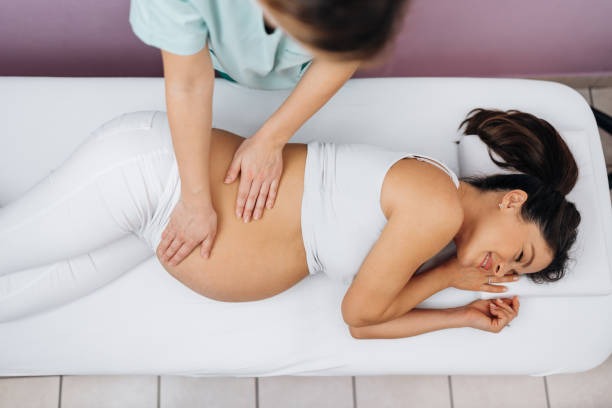
A professional pregnancy massage in Melbourne follows established prenatal protocols that prioritize safety while addressing pregnancy-specific discomforts through specialized positioning and modified techniques. Melbourne’s pregnancy massage therapists typically require intake consultations, use pregnancy-specific equipment, and adapt treatments based on trimester and individual needs. Understanding the process, preparation requirements, and typical session structure helps ensure you receive maximum benefit while maintaining safety throughout your pregnancy massage experience.
Initial Consultation and Health Assessment
Your first pregnancy massage appointment in Melbourne will begin with a comprehensive health assessment that covers both your general health and pregnancy-specific considerations. This consultation process is more detailed than regular massage intake because pregnancy creates unique safety requirements and treatment considerations.
Expect questions about your pregnancy history, including how far along you are, any complications you’ve experienced, and your current symptoms. The therapist needs to know about morning sickness patterns, swelling locations, pain areas, and energy levels to plan appropriate treatment.
Medical history becomes particularly important during pregnancy massage. Conditions like high blood pressure, gestational diabetes, or previous pregnancy complications affect massage safety and technique selection. Your therapist may request medical clearance for certain conditions or modify treatment approaches based on your health status.
Current pregnancy symptoms guide treatment planning significantly. Are you experiencing back pain, hip discomfort, swelling, or sleep difficulties? Each symptom requires different massage approaches and positioning strategies. Detailed symptom discussion helps your therapist customize the session for maximum benefit.
Many Melbourne pregnancy massage therapists will also discuss your comfort preferences during this initial consultation. Temperature sensitivity, positioning preferences, pressure tolerance, and any areas you’d prefer to avoid all factor into treatment planning.
The consultation also covers practical matters like scheduling frequency, session duration options, and policies about cancellations or rescheduling due to pregnancy-related discomfort or complications.
Session Structure and Positioning Techniques
Professional pregnancy massage sessions follow structured approaches that ensure safety while maximizing therapeutic benefit. Understanding this structure helps you know what to expect and feel more comfortable during your first appointment.
Positioning setup takes more time during pregnancy massage because standard massage positions aren’t safe or comfortable for pregnant clients. After the first trimester, lying flat on your back can compress blood vessels and reduce circulation to your baby. Professional therapists use specialized positioning systems to keep you comfortable and safe.
Side-lying positioning is the most common approach for pregnancy massage. Your therapist will use pillows, bolsters, and supports to position you comfortably on your side, providing support for your belly, back, and legs. This position allows access to your back, shoulders, hips, and legs while maintaining safety.
Some Melbourne clinics have specialized pregnancy massage tables with openings that accommodate your growing belly while you lie face-down. These tables work well during certain stages of pregnancy but aren’t suitable for everyone or every trimester.
Semi-reclined positioning might be used for certain techniques, particularly when working on your upper back, neck, and shoulders. This position provides comfort while allowing the therapist to address areas that are commonly tense during pregnancy.
Position changes during the session are normal and necessary. Your therapist will likely reposition you several times to access different body areas effectively. Don’t be surprised if you need to move more frequently than during regular massage – this is part of safe prenatal practice.
Specialized Techniques for Pregnancy Relief
Melbourne pregnancy massage therapists use modified techniques specifically designed to address pregnancy-related discomforts while maintaining safety for both you and your baby.
Pressure modifications are the most noticeable difference from regular massage. Pregnancy increases blood volume and changes circulation patterns, making deep pressure potentially problematic. Your therapist will use lighter pressure that still provides therapeutic benefit without risking circulation problems.
Lymphatic drainage techniques address the swelling that many women experience during pregnancy. These gentle, rhythmic movements help reduce fluid retention in your hands, feet, and legs. The technique feels quite different from regular massage – lighter and more repetitive – but it’s highly effective for pregnancy-related swelling.
Muscle tension release techniques focus on the areas most affected by pregnancy posture changes. Your upper back, neck, and shoulders work harder as your center of gravity shifts forward. Specialized techniques address this overuse while helping encourage better postural alignment.
Hip and lower back work uses positioning and techniques that accommodate your growing belly while addressing the pain and stiffness that many women experience. Your therapist might use techniques that gently stretch tight hip flexors or release tension in your lower back muscles.
Gentle abdominal massage is sometimes included, using very light, specific techniques that can help with digestion and round ligament discomfort. This isn’t standard massage technique – it requires specialized training in prenatal abdominal work.
Preparation Guidelines for Optimal Experience
Proper preparation enhances your pregnancy massage experience and helps ensure you receive maximum benefit from the treatment.
Timing your appointment strategically can make a significant difference in comfort and effectiveness. Morning appointments work well if you’re experiencing evening swelling, while afternoon sessions might be better if morning sickness is an issue. Consider your energy patterns and symptom timing when scheduling.
Eating guidelines differ from regular massage recommendations. You don’t want to be hungry during pregnancy massage, but you also don’t want to be uncomfortably full. Plan to eat a light snack 1-2 hours before your appointment if needed. Pregnancy metabolism changes make it important to maintain stable blood sugar levels.
Hydration becomes even more important during pregnancy massage because the treatment helps move fluids throughout your body. Drink plenty of water before your appointment and plan to continue hydrating afterward. However, consider bathroom access – pregnancy massage often stimulates the need to urinate more frequently.
Clothing considerations include wearing comfortable, easy-to-remove clothing to your appointment. Many pregnant women prefer to keep undergarments on during massage, so wearing comfortable options that won’t interfere with treatment is helpful.
Bring support items that enhance your comfort. A small pillow from home, a water bottle, or any other comfort items that help you relax can be valuable additions to your massage experience.
Communication Throughout Treatment
Effective communication with your pregnancy massage therapist ensures you receive safe, comfortable, and beneficial treatment throughout the session.
Position comfort should be communicated immediately if you experience any discomfort. Pregnancy can make certain positions uncomfortable quickly, and what feels fine initially might become problematic as the session progresses. Don’t hesitate to request position changes.
Pressure feedback is crucial during pregnancy massage. Your pressure tolerance might change during pregnancy, and areas that normally handle deep work might need gentler approaches. Communicate if pressure feels too light or too intense.
Symptom changes during treatment should be reported immediately. If you feel dizzy, nauseous, or experience any unusual sensations, let your therapist know right away. These might indicate position changes are needed or that the session should be modified.
Comfort preferences can be communicated throughout the session. If you’re too warm, too cool, or need additional support anywhere, your therapist can make adjustments to improve your comfort.
Post-treatment planning is worth discussing during your session. How do you typically feel after massage? Do you need time to rest, or do you prefer to resume normal activities? Your therapist can provide guidance about post-massage expectations and self-care recommendations.