Table of Contents
- Introduction
- Energy Efficiency and Sustainability
- Advanced Security Systems
- Integrated Home Automation
- Health and Wellness Features
- AI-Driven Personalization
- Connectivity and IoT Integration
- Future-Proofing and Upgradability
- Conclusion
As we approach 2026, smart home technology is transitioning from a high-end feature to a mainstream necessity. Modern buyers are increasingly informed, discerning, and tech-savvy, and their search for homes now extends well beyond curb appeal or square footage. In the Arcata area and across the nation, buyers consult Arcata CA real estate agents expecting properties equipped with the latest in automation, efficiency, and security. The question is not ‘if’ a home has smart features, but ‘how advanced’ and ‘how integrated’ these features are within the property.
The new standard for smart homes is driven by more than convenience. Homeowners want spaces that complement health and wellness, reduce utility costs, and offer seamless control of all systems. For home sellers and developers, this means anticipating the next wave of technology and ensuring properties are ready for the future. The evolving landscape is redefining what it means to feel comfortable and protected at home, responding directly to shifting buyer expectations.
Energy Efficiency and Sustainability
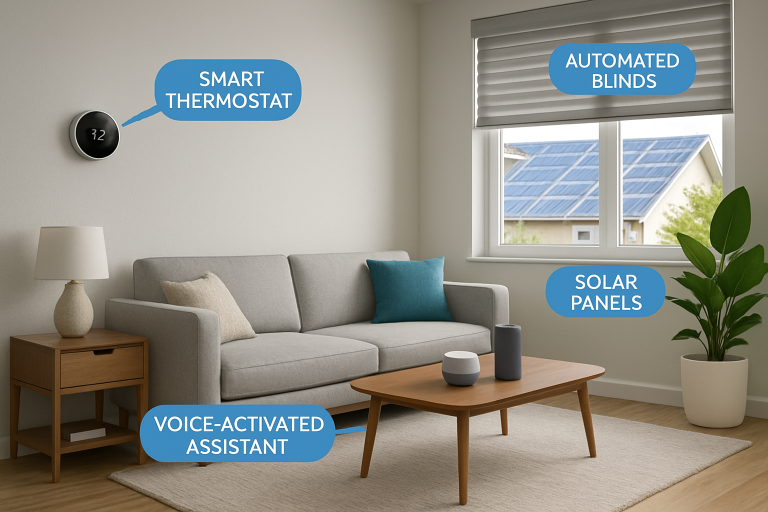
Buyers in 2026 are increasingly prioritizing homes that integrate smart energy solutions. Features such as smart meters, solar panels, and automated systems to manage heating and cooling are now seen as essentials, not perks. These elements do more than provide comfort or lower bills; they reflect a greater commitment to sustainability. Recent studies show that over 60% of new homeowners factor energy efficiency into their purchasing decisions. Smart home systems that track consumption and automate energy-saving adjustments are expected to become standard features in property listings.
Environmental awareness has spurred demand for homes equipped with solar-ready infrastructure, high-performance insulation, and energy-saving appliances. By embracing these innovations, sellers increase their properties’ value and appeal to a broader audience who expect sustainability as a core offering.
Advanced Security Systems
Personal safety remains paramount for property owners. The evolution of smart security technology now includes AI-powered cameras, remote-monitored alarms, smart locks, and doorbell systems that send real-time alerts to smartphones. These solutions offer convenience and peace of mind, allowing homeowners to monitor activity anywhere, anytime. Cutting-edge options go further by using artificial intelligence to differentiate between expected movement, such as a delivery driver or family member, and genuine threats, thereby reducing false alarms and calling authorities only when truly needed.
Security features are increasingly integrated within property-wide networks, providing a unified, easy-to-control system. Buyers expect a seamless setup and a simple user interface. Enhanced protection is no longer optional; it is central to the buying decision, especially in tech-forward communities.
Integrated Home Automation
Automated lighting, temperature regulation, motorized window shades, and integrated entertainment systems can significantly improve daily life. The most sought-after homes now feature central hubs that manage multiple functions, controlled through voice or user-friendly mobile applications. The result is comprehensive and personalized control over the home environment. Buyers look for compatibility with popular platforms such as Google Assistant, Amazon Alexa, or Apple HomeKit, ensuring they can connect their existing devices or applications for a smooth transition into their new home.
Health and Wellness Features
Well-being is at the heart of smart home innovations for 2026 buyers. Features such as smart air purifiers, circadian rhythm lighting, advanced water filtration, and in-home health monitoring systems are rapidly gaining popularity. These technologies promise clean indoor air, optimal hydration, and natural sleep cycles. For instance, homes equipped with lighting that automatically shifts to match sunlight patterns can help regulate sleep and boost daytime productivity. Such features transform a living space into a personalized sanctuary that balances comfort and health.
AI-Driven Personalization
The integration of artificial intelligence is making personalized home experiences a reality. Smart homes now learn individual routines, such as when residents wake up, their heating or cooling preferences, and even entertainment habits. AI-driven systems anticipate needs and automatically adjust to ensure the environment is always just right. Whether it is increasing efficiency by adjusting blinds to reduce glare or lowering the thermostat as soon as the home is empty, buyers see these smart capabilities as essential rather than optional.
Connectivity and IoT Integration
Home connectivity is experiencing a rapid transformation. The Internet of Things (IoT) enables coordination among appliances, lighting, security, and entertainment, creating a responsive ecosystem that adapts to occupant preferences. Buyers in 2026 expect robust, whole-home Wi-Fi and seamless device integration, ensuring fast, reliable communication among all smart devices. This high level of connectivity not only simplifies life but can also improve safety and efficiency on an everyday basis.
Future-Proofing and Upgradability
With technology evolving at a breakneck pace, buyers are seeking homes that can easily accommodate future upgrades. Forward-thinking properties feature modular wiring, open network infrastructure, and regular software update capabilities. This allows homeowners to embrace new innovations with ease, safeguarding their investment against obsolescence. Regularly updated hardware and software also keep systems secure and functioning at their best, giving residents peace of mind that their home remains at the forefront of smart technology.
Conclusion
The shift toward smart homes is reshaping the real estate market in profound and lasting ways. Buyers now expect features that offer more than superficial convenience. From ultra-efficient energy management and robust AI-enhanced security to seamless health-focused automation, today’s properties must reflect a new era of personalization and adaptability. Those who embrace these trends will meet the evolving demands of tech-savvy buyers, ensuring their homes provide not only shelter but also comfort, innovation, and enduring value.