Key Takeaways
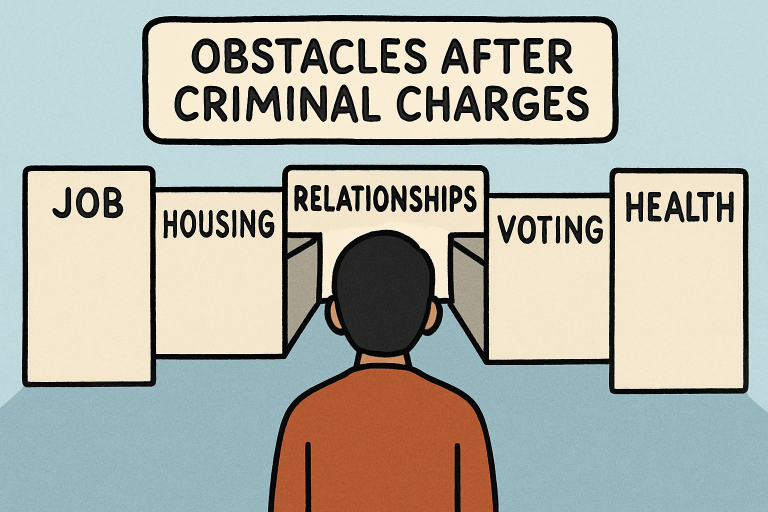
- Job opportunities and income potential often diminish significantly after criminal charges.
- Many individuals encounter substantial obstacles in accessing housing and financial services.
- Criminal charges can strain personal relationships and affect social standing within the community.
- Civic rights, including the right to vote, are sometimes restricted or lost following a conviction.
Facing criminal charges brings more than just the stress of legal proceedings. The consequences can ripple through almost every aspect of daily living, shaping financial stability, career prospects, relationships, and access to basic needs. Anyone navigating this difficult period, whether for themselves or a loved one, should understand how deeply these effects can be felt. For those in Arizona seeking guidance through such challenges, connecting with a knowledgeable criminal defense attorney in Phoenix can be an important first step.
Beyond the court verdict, having a record or even just an accusation on file can carry a heavy social stigma. It can also impact your ability to maintain or rebuild your livelihood, protect your family’s well-being, and participate in your community.
Employment Challenges
Securing and maintaining employment is often one of the most immediate concerns after a criminal charge. Background checks are a routine part of many hiring processes, and employers may hesitate or refuse to hire someone with a history of criminal conduct. Studies have shown that people with a criminal record experience approximately a 31 percent loss in lifetime earnings, a gap that can persist regardless of the severity of the crime. Some estimates put the nationwide total of lost wages at $372 billion annually. Even arrests without convictions can have measurable negative effects, and for many families, this loss leads directly to financial hardship, such as missed rent payments or a shrinking food budget.
The impact can expand beyond just job acquisition. Opportunities for promotion or obtaining professional licenses may be limited, and certain fields, such as education, healthcare, or finance, have stricter regulations that can inhibit employment for those with prior convictions.
Financial Consequences
Financial repercussions often extend far beyond lost earnings. Individuals with a criminal record may find it challenging to secure loans, obtain credit cards, or even open checking accounts, as financial institutions may categorize them as high-risk clients. Car and health insurance premiums can rise as well. For many, these obstacles translate into delayed or derailed financial milestones, such as buying a home, supporting dependents, or saving for retirement. These problems compound over time, undermining long-term stability and generational wealth building.
Housing Difficulties
Obtaining stable housing becomes an uphill battle for individuals with a criminal history. Many landlords conduct criminal background checks and may deny rental applications based on past offenses, sometimes even for non-violent misdemeanors. Those fortunate enough to find housing may be subject to higher security deposits or much stricter lease terms than other tenants, and in some cases, families may face forced relocation due to housing restrictions. This reality can result in cycles of temporary housing, frequent moves, or homelessness, which can compound the difficulty of re-entering society in a healthy, stable manner.
Social Stigma and Relationships
The effects of criminal charges go beyond logistics and finances, impacting personal and community relationships. The social stigma surrounding criminal offenses can lead friends, colleagues, or even family members to distance themselves. This sense of isolation can have a profound impact on emotional and mental well-being, often leaving those affected cut off from previous support networks. Suspicion or mistrust at the community level further complicates the road to successful reintegration.
Legal and Civic Consequences
A conviction can also impose restrictions on individual rights. In many jurisdictions, those with felony convictions lose their right to vote while incarcerated, and sometimes for years or permanently after release. The ability to serve on a jury, run for public office, or possess firearms may also be curtailed. These losses can make it difficult for individuals to fully participate in society or have their voices represented in civic matters.
Health Implications
The consequences of criminal charges on health are serious. Research highlights that even individuals who are never convicted, but merely arrested or charged, experience higher levels of psychological stress and poorer physical health. Stress related to legal proceedings, the risk of incarceration, and collateral consequences like family separation can manifest in sleep disorders, anxiety, depression, and negative physical health outcomes. The lack of adequate healthcare access further intensifies these effects, particularly for those re-entering the community after incarceration.
Educational Barriers
Education is often regarded as a key to future success, but criminal records may impede this avenue as well. Many colleges and trade schools continue to ask about criminal histories on their admissions applications, and certain offenses result in loss of access to federal student aid. Scholarships or internships may be off-limits, and some academic programs may have licensing or credentialing requirements that exclude individuals with records. This creates another layer of disadvantage for those trying to build a better future following criminal justice involvement.
Conclusion
The impacts of criminal charges are both broad and deep, touching every area of life from employment and finances to health and personal relationships. The repercussions frequently persist long after any official sentence is served, making recovery and reintegration a challenging path. Recognizing these challenges is important for communities and policymakers working toward fairer outcomes and more supportive resources for those affected by the criminal justice system.