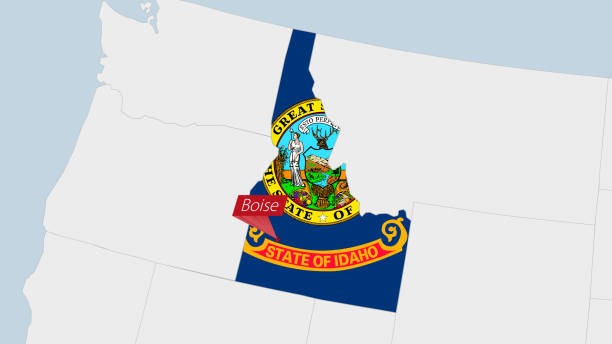
In Idaho, understanding landlord-tenant laws is crucial for both tenants and landlords. You need to know your rights and responsibilities to ensure a fair rental experience. From security deposits to eviction procedures, these laws cover important aspects of renting. But what happens if either party fails to comply? The implications can be significant, and it’s essential to be informed about each regulation. Let’s explore these laws and their impact on your rental situation.
Overview of Landlord-Tenant Rights in Idaho
When renting a home in Idaho, it’s essential to understand both your rights and responsibilities as a tenant or landlord. Familiarize yourself with Idaho landlord-tenant laws to ensure a smooth renting experience.
For instance, landlords can charge an apartment rental application fee, which isn’t regulated, so it’s wise to ask about this upfront. You should also know the eviction laws in Idaho; landlords must provide specific notices before initiating eviction proceedings. Tenants have rights, too, including the right to a habitable living space and protection against discrimination. Understanding these laws helps protect your interests, whether you’re renting or leasing out a property.
Keep yourself informed to navigate the rental process confidently.
Lead-Based Paint Disclosure Requirements
Lead-based paint disclosure is crucial for anyone renting a property built before 1978, as these homes are more likely to contain hazardous materials.
Under Idaho ladnlord tenant laws, landlords must provide an EPA-approved pamphlet detailing the risks of lead-based paint and disclose any known lead hazards in the lease agreement. This requirement is part of the compliance with Section 1018 of the Residential Lead-Based Paint Hazard Reduction Act, which applies in Idaho and across the U.S. Failing to disclose lead hazards can lead to serious legal consequences. As a renter, it’s essential to understand these Idaho renting laws to protect yourself and ensure a safe living environment.
Always ask your landlord about any potential lead hazards before signing a lease.
Rent and Application Fees Regulations
Understanding the financial aspects of renting is just as important as being aware of potential hazards like lead-based paint.
In Idaho, landlords can set their own application fees without regulation, so it’s crucial to clarify these costs upfront. Keep in mind that there’s no cap on late fees or mandatory grace periods; these details should be outlined in your lease agreement. If you bounce a check, the landlord can charge an NSF fee of up to $20 or the check’s face amount, whichever is lesser. Remember, you can’t withhold rent for needed repairs or deduct expenses, so always stay informed about your rights and obligations as a tenant.
This knowledge can help you avoid misunderstandings and potential disputes.
Security Deposits: Rules and Guidelines
Security deposits play a crucial role in the rental process, and it’s important for you to know the rules surrounding them in Idaho.
There’s no limit on the amount you can be charged, so always clarify this with your landlord before signing a lease. Your landlord must return your deposit within 30 days after you move out, unless the lease states otherwise. If a third party manages the property, deposits should be kept in a separate bank account. Keep in mind that deductions for normal wear and tear aren’t allowed, so take care of the property to avoid disputes.
Understanding these guidelines will help protect your rights and ensure a smoother rental experience.
Late Fees and Grace Periods
While it’s essential to be aware of your rental obligations, late fees and grace periods in Idaho can be quite flexible.
Unlike many states, Idaho doesn’t impose limits on late fees; landlords can set their own terms in the lease. Make sure to read your rental agreement carefully to understand the specific late fee structure your landlord has chosen. Additionally, there’s no mandated grace period for rent payments, so it’s crucial to pay your rent on time to avoid any fees. If you’re ever unsure, don’t hesitate to communicate with your landlord.
Clear communication can help resolve any issues before they escalate, keeping both parties on the same page regarding payments and fees.
Eviction Notice Procedures
If you find yourself facing an eviction situation, it’s crucial to be aware of the specific notice procedures in Idaho.
For unpaid rent, landlords must provide a 3-day pay-or-quit notice, giving you a chance to settle the debt. If you violate the lease terms, you’ll receive a 3-day cure-or-quit notice, allowing you to fix the issue. In cases of severe lease violations, such as drug-related activities, an immediate notice to quit can be issued. It’s essential to understand that eviction processes must comply with both Idaho laws and the Fair Housing Act.
If you’re unsure about your rights or the process, consider consulting an attorney to navigate any complexities effectively.
Fair Housing Protections
Understanding fair housing protections is essential for both landlords and tenants in Idaho, as these laws ensure everyone has equal access to housing opportunities.
In Idaho, you’re protected against discrimination based on race, color, national origin, religion, sex, familial status, and disability. This means that as a tenant, you can seek housing without fear of unfair treatment due to these characteristics.
As a landlord, you must comply with these protections to create an inclusive environment. It’s crucial to be aware that violating fair housing laws can lead to serious repercussions.
Legal Consequences for Non-Compliance
Failing to comply with Idaho’s landlord-tenant laws can lead to significant legal consequences for both landlords and tenants.
For landlords, failing to provide required disclosures, like lead-based paint information, may result in lawsuits or fines. If you don’t return security deposits within 30 days, you could face legal action and be forced to pay double the deposit amount. Tenants, on the other hand, could face eviction if they don’t pay rent or violate lease terms. Non-compliance with fair housing laws can also lead to legal repercussions.
Both parties should keep records and consider seeking legal advice to navigate disputes effectively and avoid costly mistakes. Staying informed about your rights and responsibilities is crucial.
Conclusion
In summary, understanding Idaho’s landlord-tenant laws is crucial for both parties to ensure a smooth renting experience. By knowing your rights and responsibilities, you can avoid potential disputes and foster a positive relationship. Whether you’re a landlord or a tenant, staying informed about lead-based paint disclosures, security deposits, and eviction procedures will help you navigate the rental landscape effectively. Always remember, clear communication and adherence to the law will lead to a better rental experience for everyone involved.