San Diego is known for its vibrant coastal communities, diverse population, and world-class medical facilities that support residents across the region. The city’s growing economy and active lifestyle also mean busy roads, bustling workplaces, and frequent recreational activities. With so much happening every day, accidents resulting in serious injuries—including brain injuries—can occur without warning.
When someone suffers a traumatic brain injury, the consequences can be life-changing. These cases require careful documentation, expert guidance, and a strong legal strategy to show the full scope of harm. That’s why many people turn to brain injury lawyers in San Diego to help gather the extensive evidence needed for a successful claim. Brain injuries are complex, often invisible, and frequently misunderstood — which makes proving them especially challenging. The right evidence not only demonstrates how the injury occurred but also highlights its long-term effects on health, work, and quality of life.
Medical Records
The most essential evidence in any brain injury claim is comprehensive medical documentation. These records begin the moment a victim seeks treatment, whether that is at the scene of the accident, a local emergency room, or during follow-up care. Hospital charts, diagnostic notes, doctor evaluations, and treatment plans all help establish the presence and severity of the injury.
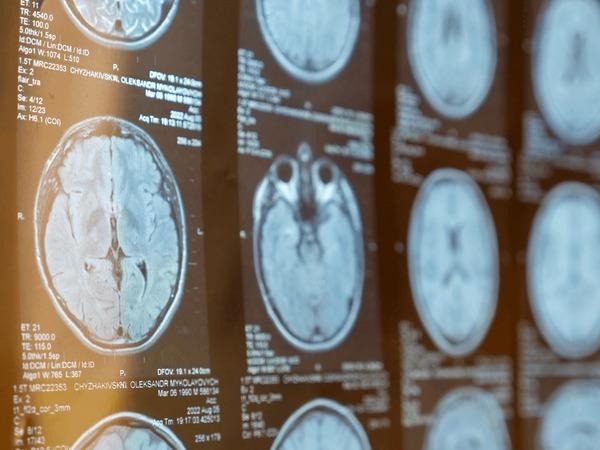
Diagnostic imaging also plays a crucial role. CT scans, MRIs, and specialized neuroimaging can reveal internal bleeding, swelling, or structural changes in the brain. Even in cases where imaging appears normal, medical records often show symptoms consistent with a concussion or other mild traumatic brain injury, which can still cause long-term complications. Because many brain injury symptoms emerge slowly, having consistent medical follow-ups strengthens the connection between the accident and the resulting condition.
Evidence Linking the Accident to the Injury
To prove fault, you must show that the injury was caused by someone else’s negligence. This requires accident-related evidence, such as:
- Police or incident reports
- Eyewitness statements
- Photographs or video of the accident scene
- Surveillance footage
- 911 recordings
- Vehicle or property damage reports
In more complicated situations, accident reconstruction experts may examine physical evidence, analyze movement patterns, and determine how the impact occurred. Their testimony can explain the forces involved — especially important in cases where the brain injury isn’t obvious at first glance.
Documenting Changes in Daily Life
Brain injuries often disrupt mood, behavior, sleep patterns, and cognitive function. To capture these effects, attorneys encourage clients to maintain a symptom journal. This can include headaches, dizziness, confusion, sensory sensitivity, or emotional shifts.
Additionally, statements from:
- Family members
- Close friends
- Employers or coworkers
help illustrate changes in personality, work performance, and overall function. These observations paint a realistic picture of how deeply the injury impacts daily living, adding credibility to the claim.
Economic and Non-Economic Losses
Brain injuries frequently affect a person’s ability to earn income. Evidence such as pay stubs, tax returns, employer letters, and vocational-expert evaluations help calculate lost wages and diminished future earning capacity.
Non-economic damages — including pain and suffering, emotional distress, and loss of enjoyment of life — are supported through medical notes, therapist documentation, and personal accounts. These elements help insurers and courts understand the profound personal toll a brain injury can take.
A Clear Timeline of Care
A detailed timeline, beginning with the accident and extending through treatment and recovery, shows the continuity between the incident and the injury. This timeline reinforces that symptoms did not arise from unrelated causes and demonstrates consistent, responsible medical care.
Conclusion
Proving a brain injury claim requires a strategic combination of medical evidence, expert testimony, accident analysis, and real-life documentation. When all these elements come together, they form a strong case that reflects not just the injury itself but its lasting impact on a person’s health, livelihood, and future. With the right legal guidance, victims can secure the support and compensation they need to rebuild their lives.
Key Takeaways
- Proving a brain injury claim requires strong, organized evidence documenting both how the injury occurred and how it affects daily life.
- Medical records, diagnostic tests, and evaluations from specialists form the foundation of a successful brain injury case.
- Imaging studies such as MRIs and CT scans help demonstrate the physical impact of the injury, even when symptoms are not immediately visible.
- Witness statements, accident reports, and photographic evidence support the timeline and circumstances of the incident.
- Expert testimony from neurologists, neuropsychologists, and rehabilitation professionals helps explain long-term cognitive and emotional effects.
- Employment records and financial documentation are essential to prove lost wages, reduced earning capacity, and future financial harm.
- Working with experienced brain injury lawyers helps ensure all evidence is collected, preserved, and presented effectively.