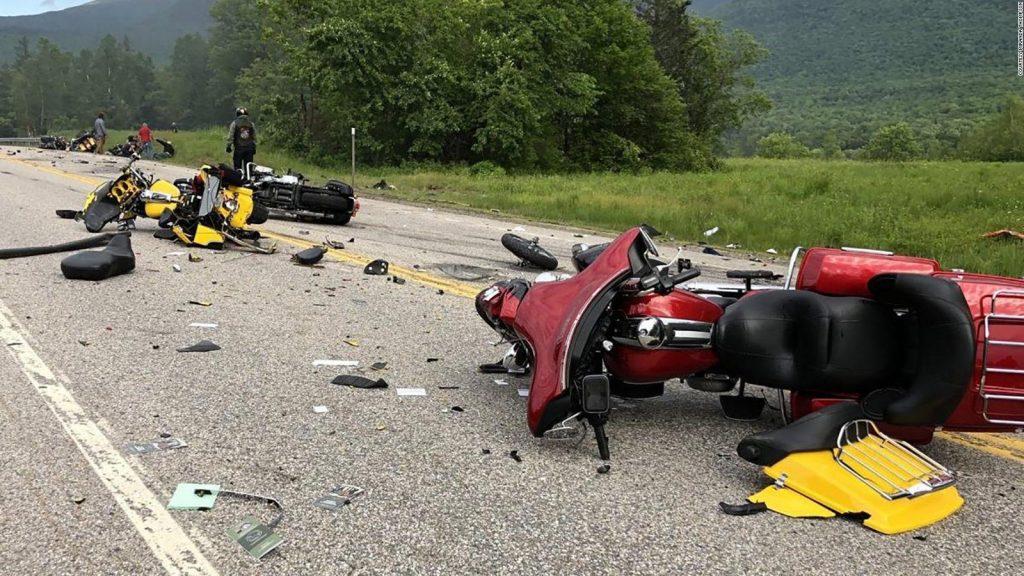
Motorcycle accidents are becoming more frequent, raising serious concerns about road safety for both riders and drivers. Understanding the rise in motorcycle accidents is crucial to identifying causes and preventing future incidents. By recognizing the factors that contribute to these accidents, motorcyclists and other road users can take steps to stay safe.
In the aftermath of a crash, determining liability is crucial for seeking fair compensation. Knowing your rights and responsibilities can make a major difference in protecting both your well-being and your legal interests.
Understanding Motorcycle Accident Liability
Liability in motorcycle accidents is often determined by establishing fault. This can be attributed to various factors, including negligence, recklessness, or strict liability. Negligence refers to the failure to exercise reasonable care while driving, such as speeding or ignoring traffic laws.
Recklessness involves intentional disregard for safety, such as street racing or performing stunts. Strict liability, on the other hand, is imposed on a party without proof of fault, often applicable in cases involving defective products.
Common Causes of Motorcycle Accidents
Understanding the common causes of motorcycle accidents can help identify liable parties. Some common causes include:
- Other drivers’ negligence: Failure to yield, tailgating, or distracted driving.
- Road hazards: Poor road conditions, debris, or inadequate signage.
- Vehicle defects: Manufacturing defects, poor maintenance, or faulty parts.
- Motorcyclist error: Reckless driving, speeding, or failure to follow traffic laws.
Determining Liability in Motorcycle Accidents
Determining liability in motorcycle accident cases often involves:
- Police reports: Official documentation of the accident, including witness statements and officer observations.
- Witness statements: Testimony from witnesses who saw the accident occur.
- Physical evidence: Examination of the accident scene, vehicles, and any other relevant physical evidence.
- Expert testimony: Analysis from experts, such as accident reconstructionists or medical professionals.
Comparative Negligence in Motorcycle Accidents
In some cases, both parties may share fault for the accident. Comparative negligence laws vary by state, but generally, they allow for:
- Pure comparative negligence: Damages are awarded based on the percentage of fault attributed to each party.
- Modified comparative negligence: Damages are awarded only if the plaintiff’s fault is below a certain threshold.
Protecting Your Rights After a Motorcycle Accident
If you’re involved in a motorcycle accident, it’s essential to:
- Seek medical attention: Document your injuries and receive necessary treatment.
- Report the accident: File a police report and notify your insurance company.
- Gather evidence: Collect witness statements, photographs, and any other relevant documentation.
- Consult with an attorney: An experienced motorcycle accident lawyer can help you navigate the complex process of determining liability and securing compensation.
The Importance of Seeking Professional Advice
Motorcycle accident cases can be complex, and determining liability requires a thorough understanding of the law. Seeking professional advice from an experienced attorney can help you:
- Know your entitlements and the compensation you’re eligible for.
- Ensure you follow the correct procedures and meet deadlines.
- Receive fair compensation for your injuries and losses.
Takeaway
Determining motorcycle accident liability requires a thorough understanding of the factors involved. By knowing your rights and taking the necessary steps to protect yourself, you can ensure that you receive fair compensation for your injuries and losses.
If you’re involved in a motorcycle accident, don’t hesitate to seek professional advice and support. With the right guidance, you can navigate the complex process of determining liability and securing the compensation you deserve.