Relocating to a new country brings more than logistical challenges — it invites a whole new way of living. For New Zealanders moving to South Africa, cultural differences can be both fascinating and, at times, surprising. South Africa is a country rich in diversity, shaped by its many communities, languages, and traditions. Whether you’re drawn to the urban energy of Johannesburg or the coastal charm of Cape Town, understanding local customs and daily life will help you settle in more smoothly.
A Mix of Traditions and Communities
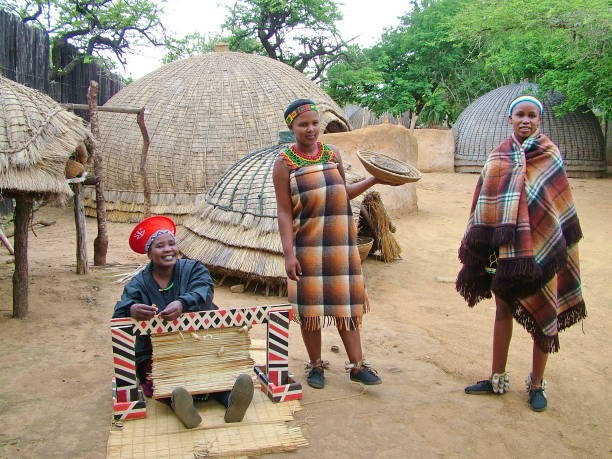
Often called the Rainbow Nation, South Africa is home to a wide mix of ethnic groups, including Zulu, Xhosa, Afrikaans, Indian, and English-speaking communities. Each contributes to the country’s vibrant cultural landscape.
As a Kiwi, you’ll likely find South Africans warm and friendly. Still, social expectations can vary — traditional communities may place a strong emphasis on age and hierarchy, while city life tends to be more relaxed and informal.
How People Communicate
English is widely spoken across South Africa, especially in cities and professional settings. However, the country has 11 official languages, and you’ll hear Zulu, Xhosa, and Afrikaans regularly in homes and communities.
While you’ll get by in English, learning a few local phrases shows respect and can build goodwill. South Africans may communicate in a more expressive or direct manner than what you’re used to in New Zealand — something to observe rather than misinterpret.
Food and Social Life
Food plays an important role in South African social culture. One of the best-known traditions is the braai, similar to a barbecue but far more embedded in everyday life. It’s a communal event where family and friends gather to cook, eat, and connect.
Dishes such as bobotie, biltong, and Cape Malay curries reflect the country’s multicultural roots. While supermarkets carry familiar items, exploring local markets gives you the chance to discover traditional flavours and customs.
Getting Used to the Day-to-Day
Daily life can differ in ways you might not expect. Load shedding — scheduled power outages — is a normal part of life in many areas. While it may seem inconvenient at first, locals have adapted, and you’ll soon learn to work around it.
Public transport isn’t always reliable outside major cities, so having a car is often necessary. Driving on the left side will feel familiar, but be prepared for varying road conditions and traffic styles. The pace of life also shifts by location — fast and busy in some cities, slower and community-focused in smaller towns.
Family and Values
Family plays a central role in South African society. It’s common for extended families to live together or remain closely connected, especially in more traditional areas. Respect for elders and communal support are important values you’ll notice early on.
Religion is also a strong presence. Christianity is the most practised faith, but many other religions are freely observed. Public holidays and cultural events often reflect this diversity, and being aware of local customs helps you integrate respectfully.
Sports and Shared Interests
Sport is a national passion. Rugby, football, and cricket are followed closely, and the Springboks — South Africa’s rugby team — are a source of immense pride. As a New Zealander, your love of rugby will likely help you connect quickly with locals.
Music and dance are part of everyday life, too. Whether it’s Afro-pop, house, or kwaito, you’ll hear it in markets, taxis, and at community gatherings. These shared interests are often the easiest way to bond with people and feel part of the culture.
Why Understanding Local Culture Before Arrival Matters
Getting to know South African culture before you arrive isn’t just helpful — it’s essential to easing your transition. As a Kiwi, you’ll likely encounter both familiar traits and unexpected differences in how people communicate, socialise, and approach daily life.
Understanding local customs ahead of time helps you avoid early misunderstandings, adapt more smoothly to workplace norms, and connect faster with your new community. It also gives you practical awareness — like how people manage time, show respect, or navigate public spaces — that can make your first weeks far less overwhelming.
If you’re looking for practical ways to prepare, learning about the process of moving to South Africa from New Zealand with Crown Relocations can provide useful insight — not just about logistics, but about what day-to-day life might look like once you arrive.
A Culture That Welcomes Openness
South Africa’s diversity may take some adjusting to, but it’s also what makes the country so rewarding. With curiosity and respect, you’ll find many opportunities to build connections, explore new ways of living, and develop a deeper understanding of life beyond your comfort zone.
Approach your move with an open mind and a willingness to learn, and you’ll discover a culture that embraces those who embrace it in return.