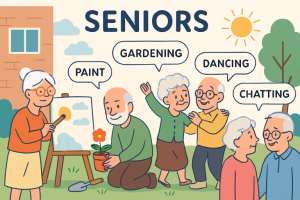
Stop working, and the days turn foreign fast. No meetings. No deadlines. Just open time — which sounds like a gift until it starts feeling like a void. Many people don’t see that wall coming. Some retirees dive straight in; others sit with a creeping unease, uncertain what the days are actually for now. Having a clear picture of what genuine engagement looks like gives you a real target — a next chapter built around your values, not just your calendar.
Finding Purpose Beyond Your Career
Work did more than pay the bills. It handed over an identity, a daily structure, a room full of people who expected you. Gone overnight. And you’re left reconstructing meaning from whatever’s left. Being busy won’t cut it. An engaged retirement means chasing things that genuinely pull at you — the hobby you kept shelving, the volunteer post that actually matters, the interest you postponed for thirty years.
Purpose tends to arrive through contribution and connection — not through titles or performance reviews. Supporting family. Backing causes you care about. Offering expertise to organizations that could actually use it. These carry more weight than most people anticipate. Some retirees stumble into their most satisfying hours through teaching or making things — in contexts they’d never pictured for themselves. Deliberately cultivating that gives you real reasons to get up each morning.
Building and Maintaining Meaningful Relationships
Human connection is one of the strongest predictors of both happiness and longevity in retirement. Full stop. Work friendships fade. Schedules open up. And that shift creates a genuine window — deepen the relationships that actually count, and build new ones. Weekly dinners with grandchildren. Monthly catch-ups with old friends. Becoming a recognizable face at a local organization. None of that is optional decoration. It’s architecture.
The daily social texture a workplace provides just vanishes overnight for many retirees. Abruptly. That’s exactly why some people actively seek living environments with built-in community around them. For those wanting vibrant social lives alongside genuine independence, Active Independent Living in Ridgeland, MS offers structured programming, wellness opportunities, and neighbors navigating the same life stage. But environment alone isn’t enough — relationships need regular contact, real curiosity about other people’s lives, and shared experiences that accumulate slowly over time.
Staying Intellectually Engaged
Retirement doesn’t have to mean slowing down mentally. It really shouldn’t. Keeping curiosity alive — stubbornly, deliberately — is the whole point. Not necessarily formal degrees. Something that keeps the mind working. Community college classes, book clubs, a new language, photography, the history podcast you never had time for. Format matters far less than the habit itself.
Creative and problem-solving pursuits push the mind differently. Learning an instrument. Writing memoirs. Designing a garden. Teaching others what you already know. Research consistently links mentally stimulating activity in older adults to better cognitive function over time. The crucial detail: choose things that genuinely interest you. Obligation kills sustained engagement faster than almost anything.
Developing a Wellness Routine That Works for You
Physical health and mental wellbeing are the foundation. Everything else rests on them. Your wellness routine should fit your actual preferences — not some idealized version of what retirement is supposed to look like. Daily walks work for some people. Swimming, yoga, or recreational tennis work for others. Gardening counts. So does dancing. The most durable routines are the ones you don’t dread showing up for.
Beyond movement, an engaged retirement pays attention to sleep, nutrition, stress, and preventive care. Retirement hands you something working life rarely did — real control over your schedule. Use it deliberately. Prepare healthier meals. Sleep without an alarm occasionally. Get to medical appointments without sprinting. Whether that looks like meal planning with a friend or simply having the space to cook and rest properly, consistent attention to overall wellbeing beats any single specific activity, every time.
Creating Structure Without Losing Flexibility
Here’s the paradox. Freedom is retirement’s greatest gift — yet a little structure actually makes that freedom feel better. A loose framework, certain activities on certain days, regular social commitments, a morning routine that grounds you — these provide rhythm without tipping into rigidity. The structure should serve your goals. Not constrain them.
Many retirees find that a basic weekly rhythm contributes more to their satisfaction than they’d expected. Volunteer commitments, class schedules, group memberships, personal projects — any of these can provide that shape. Unlike working life’s non-negotiable calendar, retirement structure is something you design yourself. Pay attention to what leaves you feeling engaged versus drained, and adjust accordingly. Keep adjusting.
Conclusion
No single formula exists. An engaged retirement reflects your specific mix of values, interests, relationships, and what you’re capable of at this particular stage. It gets built through deliberate choices — about people, learning, purpose, wellness, and whatever rhythm actually fits your life. Not something that happens to you. Something you construct. Make choices with intention, keep refining them, and what emerges can feel genuinely fulfilling — and genuinely yours.
Read more : Designing Modern Kitchens for Every Lifestyle/How Lifestyle Choices Affect Men’s Hair Health