Table of Contents
- Introduction
- Common Causes of Concrete Failures
- Financial Implications of Neglected Concrete
- Safety Risks Associated with Deteriorating Concrete
- Case Studies of Concrete Failures
- Preventive Measures and Maintenance Strategies
- Conclusion
Concrete forms the backbone of countless structures worldwide, from homes and apartment buildings to sidewalks and bridges. Despite its reputation for strength and longevity, concrete is not impervious to deterioration. Everyday failures, such as cracking and chipping, can severely impact both the value and safety of properties. Homeowners and managers must understand how concrete spalling develops and why proactive care is crucial to protecting their investments.
Unchecked damage to concrete surfaces often starts small but can escalate rapidly. Environmental stressors, subpar construction practices, or material problems can trigger subtle deterioration that is easy to overlook. As a result, owners may unknowingly allow minor flaws to worsen, facing much steeper repair bills and significant disruptions down the line. Awareness of the leading causes and consequences of concrete failure is the foundation for cost-effective property management strategies.
The financial impact of deteriorating concrete can be startling. For example, what starts as a hairline crack in a driveway or walkway often grows into a major repair project. Many property owners are caught off guard by city regulations and permit fees, only to discover too late that minor maintenance issues can escalate into costly liabilities. By proactively addressing concrete’s health, owners can safeguard their property’s value and protect occupants from dangerous conditions caused by neglected infrastructure.
Beyond cost, safety concerns play a critical role in the case for regular concrete maintenance. Deteriorating surfaces may create trip hazards that threaten pedestrians or weaken foundations, compromising an entire building’s stability. Preventing these risks requires understanding the root causes of failure and a commitment to ongoing inspection and timely repairs.
Common Causes of Concrete Failures
Concrete deterioration can result from several underlying factors, each of which can compound the potential for serious damage. Environmental exposure remains a leading cause. Repeated freeze-thaw cycles, chemical exposure from deicing agents, and persistent moisture infiltration can all undermine concrete’s structural integrity. Over time, these stresses cause surface pitting, scaling, and cracks that weaken slabs and supports.
Poor construction practices are another major culprit. If contractors use inadequate mixing ratios, fail to thoroughly cure concrete, or select low-grade materials, premature failure is almost inevitable. Material deficiencies, such as contamination with minerals like pyrrhotite, have led to large-scale issues in some regions, including internal cracking and eventual collapse. Lastly, placing too much weight on structures or exceeding the original load capacity can push concrete beyond its limits, leading to both visible and hidden fractures.
Financial Implications of Neglected Concrete
Overlooking or postponing repairs to concrete problems often leads to soaring costs. According to the International Concrete Repair Institute, the annual cost of repairing, protecting, and strengthening concrete structures in the United States is estimated at $18 to $21 billion. Minor issues, such as cracks in sidewalks, can require complex interventions if left unaddressed, as water infiltration and freeze-thaw cycles can exacerbate the original damage. One documented example involves a homeowner who faced a $3,200 charge for a sidewalk repair project, largely due to city-mandated permit fees and regulatory compliance obligations.
Deferred maintenance can also significantly impact insurance claims or property values. Appraisers and potential buyers factor the condition of driveways, walkways, and foundations into their estimates, so neglected concrete can reduce a property’s overall value. Moreover, when properties are part of a larger association, neglect can result in fines and higher association fees for all members.
Safety Risks Associated with Deteriorating Concrete
Safety is an ever-present concern when it comes to failing concrete. Crumbling foundations can ultimately lead to partial or total building collapses, especially in multi-story structures or older properties. Sidewalks or paved areas with deep cracks and raised segments pose a hazard to pedestrians, leading to trip-and-fall injuries and potential legal repercussions for the owner. Poorly maintained concrete can even create water intrusion points, fostering mold growth and harming indoor air quality. Health organizations regularly highlight that unchecked moisture and mold represent a serious concern in residential and commercial environments.
Case Studies of Concrete Failures
Several recent incidents illustrate the financial and safety hazards of neglecting concrete maintenance. In Connecticut, the widespread use of aggregate contaminated with pyrrhotite caused the foundations of thousands of homes to deteriorate, with repair costs per property ranging from $150,000 to $250,000. The extent of this damage has forced many families to vacate their homes, unable to afford repairs or sell their properties.
Philadelphia’s historic housing stock presents another cautionary tale. Many rowhouses now suffer from severe deferred maintenance, with crumbling concrete and brickwork compromising the stability of entire blocks. Residents have reported unsafe living conditions and mounting costs, while city inspectors scramble to prevent further collapses through code enforcement.
Preventive Measures and Maintenance Strategies
Regular Inspections
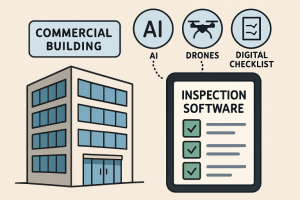
Annual inspections by a qualified professional can help property owners catch and address small cracks or surface defects before they develop into significant failures. These inspections should be part of an overall maintenance plan and can help preserve both the integrity and appearance of concrete features.
Prompt Repairs
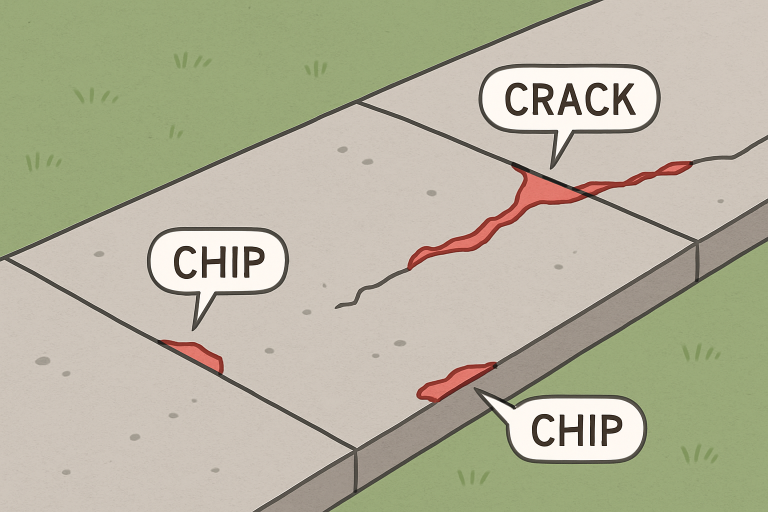
Owners should not ignore minor cracks or chips. Addressing early warning signs immediately, such as filling small cracks or patching surfaces, can prevent water penetration and extend the lifespan of the structure.
Quality Construction Practices
When building new structures or conducting major repairs, it is essential to use high-quality materials and proven construction techniques. Adequate curing times and correct mix ratios are particularly crucial for long-term performance.
Environmental Protection
Applying sealants, improving drainage, and using protective coatings can shield concrete from weather and environmental stressors. Strategic landscaping can also help divert water away from key areas, reducing the risk of moisture-related damage.
Conclusion
The long-term costs of ignoring concrete deterioration range from significant financial expenses to potentially life-threatening structural failures. By prioritizing regular inspections, prompt intervention, and quality repairs, property owners can minimize risks, preserve their investments, and ensure the ongoing safety of their homes and communities.