Tracing the Origins of Alaska’s Iconic Landscapes
Alaska is often described as one of the last truly wild places in North America. Its dramatic glaciers, deep fjords, soaring mountains, and abundant wildlife have inspired travelers, explorers, and native communities for centuries. The story of Alaska’s famous sights begins long before the first visitors arrived. Millions of years of geologic activity shaped the land into the rugged terrain we recognize today. Ancient ice sheets carved valleys, sculpted peaks, and created waterways that later became the Inside Passage. Volcanic forces built the Aleutian Islands and contributed to some of the most active volcanic zones in the United States.
For thousands of years, Indigenous peoples lived among these landscapes and understood their rhythms intimately. The Tlingit, Haida, Tsimshian, Yup’ik, Iñupiat, and Athabascan communities developed sophisticated knowledge about the land, glaciers, and ocean currents. They traveled through forests and waterways that modern visitors now admire from cruise ships and hiking trails. Their stories and cultural traditions give Alaska’s famous sights not just beauty but depth and meaning.
European exploration in the 18th century introduced the rest of the world to Alaska’s wilderness. Explorers mapped coastlines, documented wildlife, and described the majestic scenery. By the time the United States purchased Alaska from Russia in 1867, the region’s natural beauty had already gained international attention. Yet travel to Alaska remained challenging, and only the most adventurous travelers journeyed there.
The Rise of Alaska as a Destination
As transportation improved in the late 19th and early 20th centuries, Alaska’s landscapes became more accessible. The Klondike Gold Rush brought thousands north, introducing many people to the towering peaks and glacier-fed rivers for the first time. Although most came seeking fortune, many returned home describing the extraordinary scenery they encountered along the way. Word spread quickly, and the idea of Alaska as a land of spectacular natural wonders took root.
Railways expanded access to interior regions. Boats traveled up and down the Inside Passage. Photographers and writers published images and stories that captured the imagination of audiences everywhere. By mid-century, national parks such as Glacier Bay, Denali, and Kenai Fjords were established to protect these unique landscapes. Their creation marked a shift from exploration and resource extraction toward conservation and tourism.
The popularity of Alaska cruises began to rise as ships traveled routes once used by trading vessels and Indigenous communities. Travelers could now see glaciers calving into the ocean, watch humpback whales breach alongside the ship, and sail past forests that have remained lush and untouched for centuries. As tourism grew, Alaska’s sights became both famous and cherished, drawing millions of visitors every year.
A Look at Alaska’s Most Storied Scenic Regions
The Inside Passage is one of the most iconic routes in the state. The towering cliffs, narrow waterways, and dense forests create an atmosphere that feels ancient and untouched. Visitors can trace the history of travelers who once navigated these passages by canoe, fur-trading ships, or steam vessels. Glaciers, fjords, and small coastal towns sit along the route, each offering its own story of human and natural history.
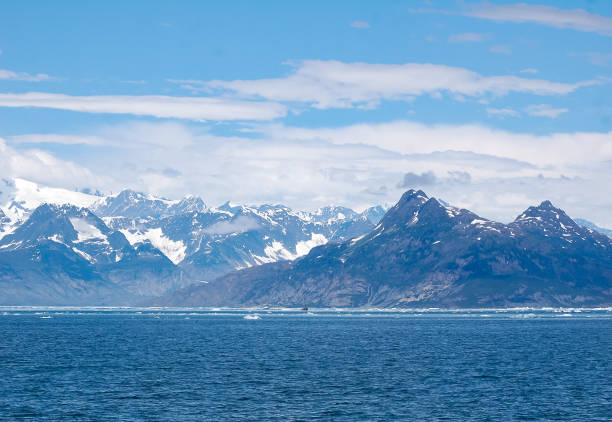
Glacier Bay stands out as a place where nature’s timeline is on full display. In the late 1700s, the entire bay was covered by ice. When explorers first documented it, the glacier stretched far into the ocean. Over the next two centuries, the ice retreated dramatically, revealing mountains, waterways, and ecosystems that evolved in real time. Today, travelers witness calving glaciers and shifting landscapes shaped by forces that began thousands of years ago.
Denali National Park also carries a long legacy. The mountain itself, Denali—known for generations by its Indigenous name—has always been a symbol of strength and endurance. When climbers began attempting ascents in the early 1900s, the area gained global fame. Wildlife such as caribou, wolves, moose, and grizzly bears roam across tundra that expands far beyond what the eye can see. The history of exploration, research, and conservation around Denali adds dimension to its stunning scenery.
The Kenai Fjords offer another story of transformation. Their steep cliffs and icy inlets formed as glaciers advanced and receded, leaving behind waterways filled with marine life. Scientists studying these areas have documented how ice shapes ecosystems, how wildlife adapts, and how climate cycles influence the landscape. Visitors today experience that living history from the water, watching glaciers move, and waves crash against rock formations carved over thousands of years.
Planning a Trip With Seasonal Beauty in Mind
Understanding the seasonal rhythms of Alaska helps travelers appreciate its history even more. Nature transforms rapidly throughout the year, revealing different versions of the same landscapes. This is especially important when thinking about the best time to cruise Alaska, as timing shapes much of what visitors will see.
For many travelers, the best time to cruise Alaska falls between late spring and early fall. May brings crisp air and snowcapped peaks as winter begins to loosen its hold. June and July offer long daylight hours—sometimes over 18 hours a day—which highlights every detail of Alaska’s scenery. Wildlife becomes more active, making sightings more frequent.
August continues the vibrant energy of summer, while early September adds touches of autumn color as the tundra shifts to reds and golds. Each period has historical meaning too, as seasonal cycles shaped migration patterns, fishing traditions, and cultural rhythms throughout Alaska’s past.
Choosing the best time to cruise Alaska depends on whether travelers prioritize wildlife, weather, fewer crowds, or fall colors. Regardless of when they go, the landscapes hold stories shaped by centuries of natural change.
The Enduring Magic of Alaska’s Wild Places
What truly makes Alaska extraordinary is that its natural wonders are more than just pretty views—they reflect a long, living history. Glaciers tell stories of ancient ice ages. Mountains reveal layers of geologic upheaval. Forests carry the memory of Indigenous traditions. Coastal towns show how people adapted to rugged conditions. Wildlife migrations follow patterns older than human presence.
Modern travelers experience these landscapes much like early explorers once did, standing before sights that feel both timeless and awe-inspiring. Cruises, national parks, guided tours, and wilderness adventures have made Alaska accessible, but the land still holds a sense of untouched wonder that has captivated visitors for generations.
Alaska’s history is written into every glacier, fjord, and mountain peak. As travelers move through these regions—whether by ship, train, or trail—they become part of the ongoing story of a place that continues to evolve, inspire, and remind us of the enduring power of the natural world.