The ketogenic diet, commonly known as keto, emphasizes a high-fat, low-carbohydrate approach to eating. Within this framework, not all fats are created equal. Essential fats, which include omega-3 and omega-6 fatty acids, play a crucial role in maintaining overall health while adhering to a keto lifestyle.
These fats are termed “essential” because the body cannot synthesize them; they must be obtained through diet. Understanding the types of fats beneficial on a keto diet is vital for achieving optimal health and wellness. Incorporating essential fats into a keto diet not only supports metabolic processes but also enhances the absorption of fat-soluble vitamins such as A, D, E, and K.
These vitamins are critical for various bodily functions, including immune response and bone health. By focusing on high-quality sources of essential fats, individuals can ensure they meet their nutritional needs while enjoying the benefits of a ketogenic lifestyle.
The Importance of Omega-3 Fatty Acids for Keto
Omega-3 fatty acids are a type of polyunsaturated fat particularly important for those following a keto diet. Known for their anti-inflammatory properties and support for heart health, omega-3s are abundant in fatty fish such as salmon, mackerel, and sardines, as well as plant-based options like flaxseeds and walnuts.
Incorporating these foods into a keto meal plan can help balance the omega-6 to omega-3 ratio, often skewed in modern diets.
Research has shown that omega-3 fatty acids also play a significant role in brain health. They are essential for maintaining cognitive function and may help reduce the risk of neurodegenerative diseases. For individuals on a keto diet, ensuring adequate omega-3 intake can enhance mental clarity and focus, supporting adherence to the dietary regimen.
Incorporating Monounsaturated Fats into Your Keto Diet
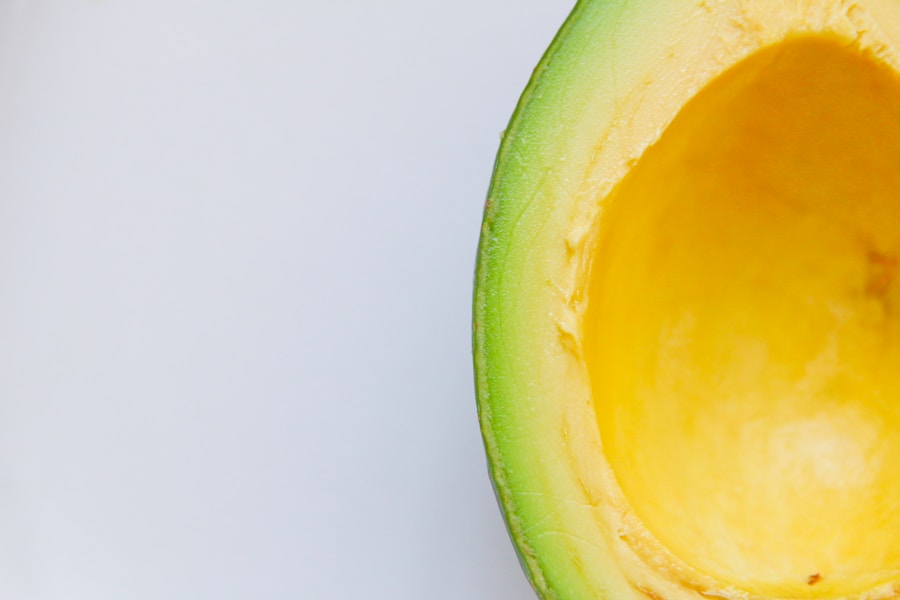
Monounsaturated fats are another important category of essential fats for a ketogenic diet. Renowned for their heart-healthy benefits, these fats can help improve cholesterol levels. Avocados, olive oil, and nuts such as almonds and cashews are excellent sources of monounsaturated fats.
Including these foods in daily meals not only enhances flavor but also delivers essential nutrients supporting overall health.
In addition to cardiovascular benefits, monounsaturated fats aid in weight management by promoting satiety, helping individuals feel fuller for longer periods. This can be especially beneficial on a keto diet, where maintaining a sense of fullness is key to avoiding cravings. As discussed in https://www.drberg.com/blog, strategically incorporating monounsaturated fats into meals and snacks can enhance the keto experience while reaping long-term health benefits.
The Role of Saturated Fats in a Healthy Keto Lifestyle
Saturated fats have long been a topic of debate in nutritional science, but they play an important role in a healthy ketogenic lifestyle when consumed in moderation. Foods such as coconut oil, butter, and grass-fed beef are rich in saturated fats and provide a quick source of energy for those on a keto diet.
These fats also support hormone production and cellular function, making them an integral part of balanced fat intake.
However, it is essential to approach saturated fats with a nuanced understanding. While beneficial in appropriate amounts, excessive consumption may lead to negative health outcomes. Balancing saturated fat intake with monounsaturated and polyunsaturated fats ensures a well-rounded nutritional approach on the keto diet.
Essential Fats: The Benefits for Brain Health on Keto
The brain is composed largely of fat, making dietary fat intake crucial for cognitive function and brain health. Essential fats, particularly omega-3 fatty acids, support brain structure and function. On a ketogenic diet, where fat is the primary energy source, ensuring adequate intake of these fats enhances mental clarity and cognitive performance.
Studies suggest that diets rich in omega-3s may help protect against mood disorders and cognitive decline. For individuals following a keto diet, incorporating sources of omega-3s such as fatty fish or algae-based supplements can provide significant mental health benefits.
This focus on brain health is especially important given the increasing prevalence of neurodegenerative diseases in modern society.
Choosing the Right Sources of Essential Fats for Keto
Whole Foods Over Processed Options
When choosing fats, it is advisable to prioritize whole food sources over processed options. For instance, opting for extra virgin olive oil instead of refined oils ensures maximum nutritional benefits without harmful additives.
Variety is Key to Essential Fats
Variety is equally important when it comes to essential fats. Incorporating a diverse range of fat sources—such as avocados, nuts, seeds, and fatty fish—ensures a broad spectrum of nutrients necessary for optimal health.
Enhancing Flavor and Well-being
This approach not only enriches the flavor profile of meals but also supports overall well-being on the keto diet.
Balancing Essential Fats for Optimal Health on the Keto Diet
Achieving balance in fat intake is crucial for maximizing the health benefits of a ketogenic diet. While it may be tempting to focus solely on one type of fat, it is essential to incorporate a variety to meet nutritional needs effectively.
A well-rounded approach ensures the intake of all necessary fatty acids while minimizing potential risks associated with overconsumption of any single type.
Monitoring fat intake helps maintain appropriate macronutrient ratios on the keto diet. Keeping track of daily consumption allows adjustments to ensure goals are met without compromising health. By prioritizing balance and variety in essential fat sources, individuals can enjoy the benefits of a ketogenic lifestyle while supporting their overall well-being.