Hot water is a daily necessity, whether it’s for showers, laundry, or washing dishes. Traditionally, heaters worked behind the scenes, heating and storing them until needed. These days, technology has reshaped this process, offering homeowners more control and precision.
A smart water heater brings convenience to routine use. These systems offer features like scheduling, remote control, and performance monitoring. Users can adjust settings from mobile devices and receive system alerts, helping manage energy usage and detect issues early. With these advancements, daily use becomes easier to track and optimize.
Temperature Control Becomes More Accurate
Precise temperature regulation is a key benefit of these systems. Traditional models often fluctuate, delivering inconsistent results. Smart heaters for water, however, maintain desired settings more reliably. They reduce the risk of overheating or running cold, thanks to responsive sensors and automated adjustments.
Real-time data allows temperature adjustments to match daily routines. This control reduces strain on fixtures, supporting long-term durability. It also helps maintain consistent comfort without manual changes.
Energy Efficiency Improves Household Use
Energy-saving functions play a major role in the appeal of modern heating technology. Smart units are often designed to track peak usage hours and reduce power draw when demand is low. This approach supports efforts to manage utility costs without sacrificing comfort.
Some systems even learn patterns over time, automatically adjusting their operation for efficiency. Rather than maintaining a constant supply of heat, they respond only when necessary. This on-demand method reduces waste and limits long-term operating expenses.
Maintenance Becomes Easier to Track
Routine care is essential for long-term reliability. With advanced heaters, maintenance tasks are easier to manage. Built-in diagnostics help spot early warning signs, such as sediment buildup or unusual temperature changes. Many systems send alerts when servicing is needed. It reduces the chance of unnoticed problems turning into costly repairs.
Maintenance services in the field include flushing tanks, checking for leaks, and inspecting components for wear and tear. These appointments support consistent performance and early detection of issues that might impact the heating function. Good plumbers handle both standard systems and newer models with integrated technology, tailoring care to the unit type.
The Need for Expert Repairs
From inconsistent water temperatures to ignition issues, water heater problems fall squarely within the scope of professional plumbing services. Licensed plumbers handle repairs for gas, tankless, and traditional units, offering both emergency support and scheduled maintenance. Their job is to diagnose the issue, restore proper function, and ensure safety throughout the system.
Modern smart water heaters add convenience with built-in diagnostic features. These systems can send error codes directly to the plumber, helping them identify faults faster and arrive prepared with the right tools and parts. This results in quicker repairs and minimal disruption for homeowners.
Flexible Installation Options
Many modern heaters feature a compact design, making them ideal for use in tighter spaces or for wall-mounted installation. This flexibility is beneficial for smaller homes or remodels. Professionals evaluate existing plumbing and recommend models that best fit the available setup. For smart versions, setup may also involve app configuration or integration with home networks. This ensures users can start monitoring performance and receiving updates from day one.
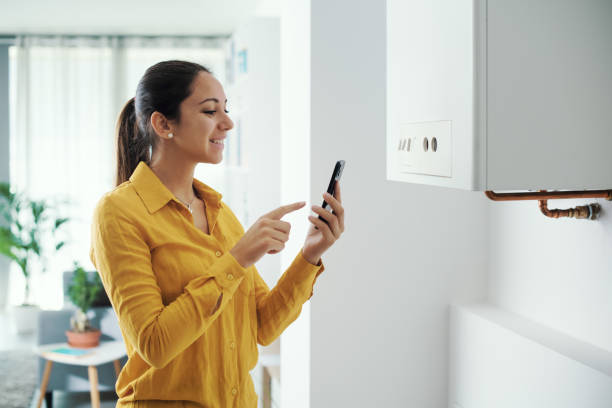
Controlling the heater remotely adds another layer of convenience. Adjusting temperature, viewing performance data, and getting service reminders are all possible through connected devices. This functionality is intended to offer remote access for users with variable schedules.
Managing hot water has become more efficient and intuitive with connected systems. A smart water heater supports better control, timely maintenance, and improved energy usage. These functions are designed to support daily routines and minimize disruptions. For households looking to simplify essential routines, this technology offers a reliable and responsive solution.