Key Takeaways:
Fostering a workplace integrity culture leads to greater trust, productivity, and organizational resilience. Clearly defined values, leadership alignment, ongoing education, transparent communication, and strong recognition systems are essential elements for promoting ethical behavior. Organizations can lay a lasting foundation for workplace integrity with intentional strategies and continuous improvement.
Table of Contents:
- Introduction
- Defining Integrity in the Workplace
- Establishing Ethical Values and Standards
- Leadership’s Role in Promoting Ethics
- Educating and Engaging Employees
- Communicating Expectations and Accountability
- Reinforcing Integrity Through Recognition
- Maintaining Integrity Through Continuous Improvement
- Conclusion
Introduction
Integrity has become an essential pillar of organizational success in the modern workplace—organizations prioritizing integrity experience higher employee morale, improved collaboration, enhanced reputation, and sustained growth. A culture of integrity does not develop by chance; it results from strategic actions, committed leadership, clear standards, and ongoing reinforcement of shared values. Emphasizing integrity sets the stage for ethical behavior, trust, and mutual respect, forming the core of a thriving work environment. This article explores practical steps organizations can take to foster and maintain a culture of integrity, empowering every employee to make positive, ethical choices that benefit both the individual and the organization.
Defining Integrity in the Workplace
Integrity in the workplace is characterized by honesty, fairness, and consistency in actions and decisions. It means doing the right thing, even when no one is watching, and ensuring that personal and organizational values are aligned. Integral to integrity are transparency, accountability, and a commitment to truth. These values serve as guiding principles that foster trust across all levels of an organization. Ensuring employees understand what integrity looks like in practical terms is critical, and this often begins with opportunities for workplace ethics training. Such training helps clarify expectations, provides decision-making frameworks, and encourages open discussion about ethical dilemmas, further embedding integrity into the organizational culture.
Establishing Ethical Values and Standards
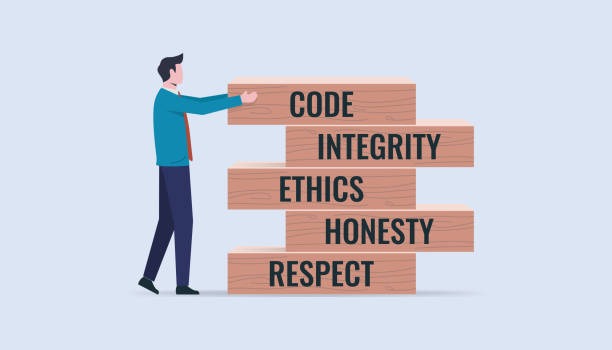
Building a culture founded on integrity starts with defining core ethical values and translating these into workplace standards. These standards should be documented in a comprehensive code of conduct so that every individual understands what constitutes ethical behavior. Expectations must not be vague or abstract but must be articulated to make them easily applicable to everyday situations. Core values might include respect, responsibility, fairness, and honesty. By spelling out values and standards in accessible language, organizations provide a firm ethical foundation that guides day-to-day behavior and decision-making.
The ethical standards must be communicated during onboarding and reinforced regularly throughout an employee’s journey. This could be policy refreshers, internal communications, or inclusion in performance appraisals. The goal is to integrate ethical standards into every aspect of workplace operations, embedding them deeply in the organizational mindset. When these values are well understood and practiced consistently, they transform into organizational habits that naturally promote integrity.
Leadership’s Role in Promoting Ethics
Leadership is a driving force behind establishing and maintaining a culture of integrity. When leaders consistently act with honesty, fairness, and transparency, they set a powerful example that shapes the attitudes and behaviors of their teams. It is essential that leaders not only communicate expectations but also demonstrate them through their actions, making ethical decision-making a visible priority. This alignment between words and deeds validates the importance of integrity in the organizational hierarchy.
Leaders support ethical behavior by making themselves approachable and responsive to concerns. They encourage team members to voice opinions and report ethical issues without fear of retaliation. Leaders reinforce a culture of accountability by celebrating ethical acts and intervening immediately when standards are breached. This visible commitment from the top ensures that integrity becomes a shared organizational goal, inspiring confidence and motivating employees to mirror these standards.
Educating and Engaging Employees
Ongoing education is essential to sustaining a culture of integrity, as employees continually encounter new situations with ethical implications. Educational efforts should include regular training sessions, workshops, and discussions on ethical standards and decision-making processes. Organizations help employees develop confidence in their ethical reasoning skills by presenting real-world scenarios and encouraging open discussions.
Engagement is equally essential; when employees are invited to shape ethical guidelines or share feedback, they become invested in the outcome. Inviting input helps ensure the relevance and practicality of ethical standards while fostering a sense of ownership. Opportunities to revisit and discuss values reinforce their importance and encourage individuals to internalize these principles in daily tasks and interactions.
Communicating Expectations and Accountability
An effective culture of integrity relies on continuous and transparent communication. Organizations should openly communicate what is expected regarding behavior and ethical choices, using clear and relatable language. This involves consistent reminders about code of conduct, accessible guidelines, and regular opportunities to clarify policies as organizational needs evolve.
Accountability systems are necessary to address ethical breaches consistently and fairly. Employees must be confident that their concerns will be managed responsibly and that standards apply equally at every level. Mechanisms might include anonymous reporting tools, structured follow-up, and clear confidentiality policies. Fostering accountability deters misconduct and reassures employees that ethical behavior is truly valued throughout the organization.
Reinforcing Integrity Through Recognition
Recognizing and rewarding ethical behavior plays a significant role in reinforcing a culture of integrity. Consistently acknowledging employees who exemplify honesty, respect, and responsibility demonstrates that these qualities are appreciated and celebrated. Recognition can be incorporated into regular feedback, peer-to-peer appreciation programs, or organizational awards focused on values-driven accomplishments.
By highlighting positive examples, organizations inspire others to act with integrity; such recognition is a continual reminder that ethical behavior is visible and valued. Over time, a recognition system based on ethics helps create an environment where individuals are motivated to go beyond compliance and make decisions that benefit the collective good.
Maintaining Integrity Through Continuous Improvement
A culture of integrity is not static; it requires ongoing attention and refinement. Organizations benefit from regularly evaluating the effectiveness of their ethical guidelines and seeking input from employees about areas for improvement. This could include conducting surveys, facilitating focus groups, or reviewing incident reports to identify evolving needs or gaps in current policies.
Continuous improvement acknowledges that ethical challenges may change as organizations grow or the broader environment shifts. Remaining agile and responsive ensures that integrity stays central and that any issues are quickly addressed. By continually nurturing and refining ethical standards, organizations keep integrity at the forefront, securing lasting benefits for all stakeholders.
Conclusion
Building and sustaining a culture of integrity is a dynamic, ongoing process that impacts every part of an organization. Organizations can create an environment where ethical behavior thrives with clear values, aligned leadership, comprehensive education, transparent communication, and robust recognition systems. Commitment to continuous improvement ensures these standards remain relevant and practical. The result is a workplace characterized by trust, accountability, and collective purpose, where every employee is empowered to make ethical choices that promote lasting success.