Internet use has soared since it first became widely available back in the 1990s. In the beginning of its spread, less than 15 percent of Americans were online. By 2015, just over 85 percent were using the internet, but for many, that only entailed occasional browsing. Now, at least 96 percent of Americans are online, and most of them stay connected almost all the time. During the years since the internet went public, an ever-growing range of devices and services that require connectivity have become available.
Over time, a variety of internet connections have also been developed. In the early days, dial-up was the main option though satellite was an acceptable alternative for those who didn’t have access to dial-up. Then, broadband became the norm with cable emerging followed by DSL. From there, fiber and fixed wireless came into play. So far, fiber has been deemed the best. With that being the case, choosing a fiber internet provider over other options can transform your home connectivity in several ways.
Better Reliability
For one, fiber internet is far more reliable than other options. With most of the other internet connections, interference is an ongoing problem. Buildings, electromagnetic fields, electronic devices, and bad weather can cause them to slow down or lead to outright outages. When multiple people in your home are online at the same time, you can experience slowdowns and a lack of connectivity. If many of your neighbors are home and using the same type of internet connection as you, that can cause problems too.
With fiber internet, those problems won’t slow you down or leave you offline. You’ll be able to stay connected no matter which factors you’re up against. That’s especially helpful if you work from home, have children who attend virtual school, and rely solely on the internet for television. It’s an advantage for families that have multiple people online at the same time or use numerous IoT devices as well.
More Speed
Fiber internet is faster than other options too. Fiber doesn’t work like other types of broadband internet; it has a great deal more bandwidth. That means it can handle more data, and information flows through its thin strands of glass or plastic more quickly than it does through the wires used for cable and DSL.
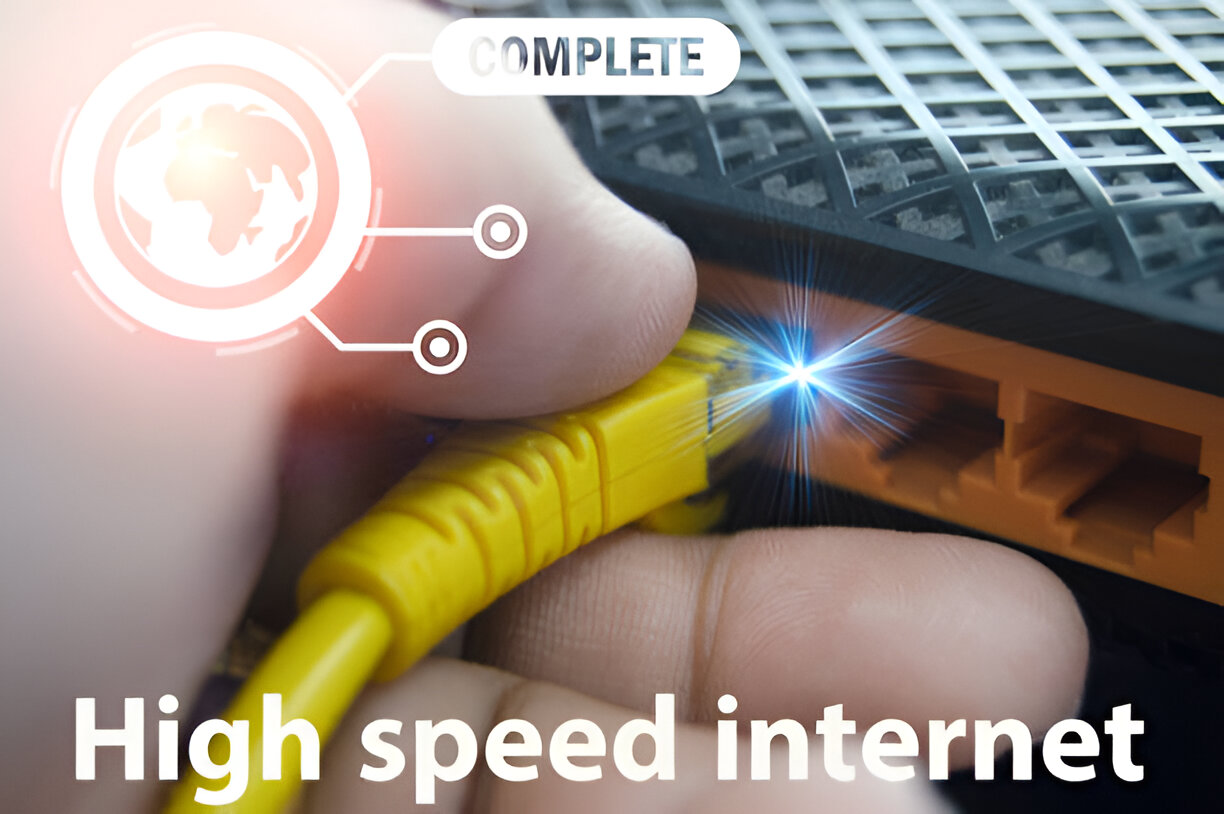
It typically offers symmetrical upload and download speeds as well, so data goes from the internet to your devices and from your devices to the internet equally as fast. As mentioned, you won’t lose a great deal of that speed when multiple people in your home or neighborhood are online at the same time, either. Furthermore, fiber is capable of handling all types of online activities from streaming television and gaming to videoconferencing and beyond.
Made for the Future
Additionally, fiber internet is built for the future. In the years to come, a growing range of devices and services that require fast, reliable internet is going to become available. That means connectivity is going to become ever more important. Fiber can handle the continually growing load where other internet connections can’t.
Revolutionizing Your Home Connectivity
Almost everyone needs fast, reliable internet at this point. Not all types of connections are created equal, though. Some of the options that are available are notorious for letting people down at the worst possible times, if not all the time. Fiber is different. It’ll revolutionize your home connectivity and your online experiences.