Buying gemstone jewelry can feel like navigating a minefield if you don’t know what to watch out for. I learned this the hard way when I spent way too much on what I thought was a natural emerald ring, only to discover later it was actually synthetic and worth about one-tenth of what I paid. The gemstone jewellery market is full of beautiful pieces, but it’s also packed with misleading descriptions, inflated prices, and sellers who count on customers not knowing the difference between natural, treated, and synthetic stones. Understanding these common pitfalls can save you serious money and disappointment.
Falling for Misleading Gemstone Descriptions
One of the biggest traps is assuming all gemstones described as “genuine” are natural and untreated. The jewelry industry uses confusing terminology that can fool even careful shoppers. “Genuine” often just means it’s a real gemstone material, but it could be synthetic, heavily treated, or assembled from multiple pieces.
Terms like “created,” “cultured,” or “lab-grown” indicate synthetic stones. These aren’t fake, but they’re man-made and typically worth much less than natural equivalents. Some sellers bury these details in fine print or use ambiguous language to avoid clear disclosure.
Heat treatment is extremely common in gemstones like rubies and sapphires – about 95% are heat-treated to improve color and clarity. This is generally acceptable and doesn’t dramatically affect value, but you should know about it and pay accordingly.
Ignoring Certification and Documentation
Buying expensive gemstone jewelry without proper certification is like buying a used car without looking under the hood. Reputable gemological laboratories like GIA, AGL, or Gübelin provide detailed reports about gemstone authenticity, treatments, and quality characteristics.
Be suspicious of in-house certificates or documentation from unknown labs. These often inflate grades or omit important information about treatments. Independent, respected laboratories have no financial incentive to misrepresent gemstone characteristics.
For significant purchases over $1,000, insist on proper certification. The cost of gemological testing is typically much less than the potential loss from buying misrepresented stones.
Misunderstanding Color and Clarity Grading
Gemstone grading isn’t standardized like diamonds, leading to confusion and inflated claims. A “AAA” grade from one seller might be “commercial quality” by another’s standards. Without understanding specific grading criteria, you can’t compare options effectively.
Color descriptions can be particularly misleading. “Pigeon blood red” rubies or “cornflower blue” sapphires are premium color grades, but many sellers use these terms loosely for marketing effect. True premium colors are rare and expensive.
Clarity expectations vary dramatically between gemstone types. Emeralds naturally have inclusions, so “eye-clean” emeralds are extremely valuable. Diamonds, however, can achieve much higher clarity grades, so the same standards don’t apply across different stone types.
Overlooking Treatment Disclosure Requirements
Many countries require sellers to disclose significant treatments, but enforcement varies and some treatments might not be mentioned. Oil or resin filling in emeralds, glass filling in rubies, or diffusion treatment in sapphires significantly affect value and durability.
Some treatments are unstable and can deteriorate over time or with normal wear. Lead glass filling in rubies, for example, can be damaged by normal jewelry cleaning methods. Understanding treatment implications helps you care for pieces properly.
Undisclosed treatments discovered later can dramatically affect insurance valuations and resale value. What seemed like a great deal might actually be overpriced once you know the full treatment history.
Making Decisions Based on Price Alone
Extremely low prices for supposedly high-quality gemstones should raise immediate red flags. Natural, untreated gemstones of good quality have established market values. Prices significantly below market rates usually indicate synthetic stones, heavy treatments, or misrepresented quality.
Conversely, high prices don’t guarantee quality or authenticity. Some sellers target uninformed buyers with inflated prices for mediocre stones. Research typical price ranges for the type and quality of gemstone you’re considering.
Sale pressure tactics like “limited time offers” or “investment grade” claims are often used to rush purchase decisions. Quality gemstones will still be quality gemstones next week, so take time to research and compare options.
Neglecting to Consider Setting Quality and Craftsmanship
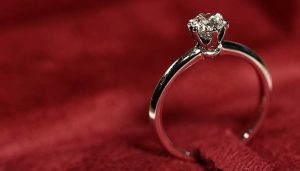
Beautiful gemstones can be ruined by poor setting work. Prongs that don’t properly secure stones, rough finishing, or inadequate metalwork affect both appearance and durability. Examine setting details carefully, especially in online photos.
Metal quality matters for longevity and appearance. Sterling silver, gold-filled, or gold-plated settings might be appropriate for some pieces but won’t hold up like solid gold or platinum for expensive gemstones.
Proportion and design compatibility between gemstone and setting affect overall appearance. A beautifully cut stone can look awkward in an inappropriate setting, while well-designed settings enhance gemstone beauty.