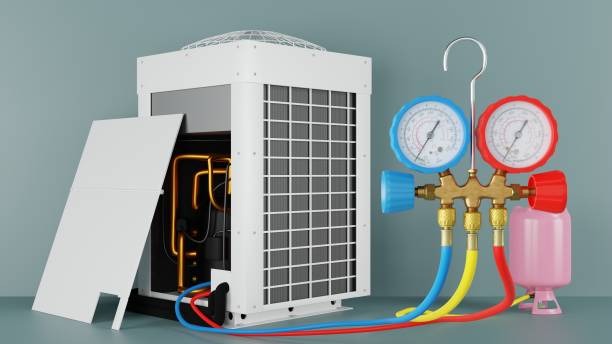
Refrigerant loss reduces an HVAC system’s ability to cool or heat efficiently, leading to higher energy use and discomfort. It can also strain components like the compressor, increasing the risk of costly repairs. Prompt detection and expert HVAC assistance from Beltway Air Conditioning & Heating help maintain performance and extend system life. The next sections explore these effects further.
Role of Refrigerant in HVAC
Refrigerant enables heat transfer and temperature control in HVAC. Efficiency and equipment damage are caused by low pressure or leakage. Proper refrigerant charge guarantees performance, energy efficiency, and environmentally friendly operation.
Heat Transfer Function
Refrigerant passes through the evaporator and condenser coils to pick up indoor heat and dump it outside. The operation effectively cools indoor air and avoids system overheating. Low levels of refrigerant lower heat transfer efficiency, unnecessarily exposing the system to pressure.
Cooling Cycle Process
HVAC systems rely on a four-stage cooling cycle of compression, condensation, expansion, and evaporation. Refrigerant is the fundamental element in all phases, making it possible for the system to expel hot air and offer interior climate control. Any disruption of this process, such as a refrigerant leak, will make the performance and airflow of the system far below expectations.
There must be proper refrigerant levels—usually 5–15 pounds, depending on the system—to provide efficient and consistent cooling.
Pressure Regulation
Refrigerant stabilizes system pressure as well, balancing high-pressure and low-pressure sides of the equipment. Pressure imbalance is developed by a leak, resulting in poor cooling and increased component failure potential. Leaks can be signified by hissing sounds, which should be repaired by a professional immediately to prevent further damage.
Environmental Impact and Evolution
New air conditioning systems employ harmless refrigerants like HFOs to ensure ozone destruction is avoided at the expense of no cooling efficiency. Policy measures like the Montreal Protocol promote renewable substitutes for outdated CFCs and HCFCs.
Signs of Refrigerant Loss
Refrigerant loss and how it affects HVAC efficiency. Early detection of refrigerant issues prevents its continued deterioration and costly fixes. Some of the common signs include:
- Inadequate cold or uneven temperature distribution.
- Ice formation on coils or refrigerant lines.
- Higher energy expense and longer system cycles.
- Decreased airflow via vents.
These symptoms impact indoor conditions but indicate that it’s time to service the system before it becomes even less effective or stops working altogether.
Insufficient Cooling
Low refrigerant levels lower the cooling capability of an HVAC system, so it can’t achieve set temperatures. This can become uncomfortable, particularly on warmer days.
Uneven cooling, in which spaces become cooler than others, is also a sign. They are caused by the fact that low refrigerant cannot effectively extract heat from the air.
Ice Formation
Frost or ice on evaporator coils is a physical sign of refrigerant loss. It is where low levels of refrigerant cause coils to freeze, therefore limiting airflow and decreasing the efficiency of the system.
Ice accumulation over time can lead to part damage and contribute to system leaks. Maintenance usually includes a technician detecting leaks or recharging refrigerants.
Unusual Energy Bills
Abrupt increases in electricity costs typically indicate that there is lost refrigerant. Low levels of refrigerant are made up for by HVAC systems running longer or generating more pressures, which take more energy.
This is wasteful money and underscores the need for quick repairs to restore efficiency.
Longer System Cycles
As the amount of refrigerant in the air conditioner system diminishes, it is difficult to achieve temperature control, which results in increased operating times that exert pressure on the components and decrease the life of the air conditioning system in general.
Decreased Airflow
Reduced vent airflow is caused by ice buildup on coils when there is low refrigerant charge. The issue of refrigerant impacts temperature regulation and should be fixed without delay to effectively use the air conditioning system.
Effects on System Efficiency and Performance
Refrigerant loss in an HVAC system significantly impacts the efficiency and performance of the system. The refrigerant charge is indispensable in heat exchange and controlling temperatures in indoor spaces. When there is a loss of refrigerant due to leaks or lack of proper maintenance, the entire air conditioning system fails to work effectively, and several problems occur.
Cooling Capacity Reduction
Low refrigerant prevents the unit from cooling as efficiently during times of high demand. In a 50% charged system, for example, it may only have 60% of its maximum cooling capacity. This requires the skills of a professional to find leaks and recharge refrigerants.
Energy Consumption Spike
Systems that are undercharged take longer to run and require more energy to meet temperature thresholds. Overcompensation not only increases energy costs but also lowers the efficiency of the system overall.
Uneven Temperature Distribution
Unbalanced charges of refrigerants may lead to certain rooms still being warm while others are cooler than they ought to be. Unbalanced performance is usually brought about by leakage or faulty refrigerant charging and needs to be adjusted to achieve even climate control.
Impact on System Components
Refrigerant loss affects HVAC system components at the expense of the air conditioner’s reliability and performance. Low refrigerant levels put unnecessary stress on large components, with frequent maintenance and an adequate refrigerant charge necessitated for proper cooling.
Compressor Stress
The compressor operates with greater difficulty when refrigerant levels are low, causing overheating or failure. As the most costly component of an HVAC system, saving the compressor via effective refrigerant maintenance is crucial.
Coil Freezing
Freezing of evaporator coils occurs in case of excessive loss of refrigerant, reducing airflow and cooling potential. Frozen coils, if left uncorrected, result in water damage and other mechanical problems.
Valve Malfunction
Refrigerant flow is dependent upon valves that need proper pressure to operate. Imbalances have the potential to result in valves sticking or failing, lowering system efficiency, and making repairs difficult.
Premature Wear and Tear
Low-quality or contaminated refrigerant will cause HVAC components to wear out sooner. Regular inspection and premature service avoid expensive replacement and contribute to equipment longevity.
Refrigerant Loss and Performance: Why Timely Repair Matters
Refrigerant loss directly affects an HVAC system’s efficiency, reliability, and lifespan. It results in wasted energy, mottled cooling, and destruction of machinery (including the compressor). Not treating the symptoms will cost money and lost comfort down the road. With proper care, maintenance, regular inspections, and prompt leak checks, all these can be easily prevented, and the system can operate optimally.
Aside from being more reliable, a well-heated air system saves energy and money. Being proactive with maintenance and repair is a big secret to avoiding lasting problems.
Timely HVAC maintenance can also be an important part of a complete home information pack Having a sturdy, high-performance system, stress prevention, and calling in the pros when needed. Comfort and efficiency first, maintenance in moderation.
Refrigerant serves as the lifeblood of a cooling system, facilitating the heat exchange process that keeps indoor temperatures stable. When a leak occurs, the compressor must work significantly harder to compensate for the reduced pressure, often leading to premature component failure. For homeowners living in demanding environments, seeking professional AC repair in Las Vegas helps ensure that these underlying issues are identified before they escalate into an expensive system replacement. By addressing small leaks early, one can avoid the cascading effects of frozen coils and sky-high utility bills that typically follow a drop in refrigerant levels. This proactive approach preserves the mechanical integrity of the unit while maintaining optimal home comfort during peak seasonal demands.
The relationship between refrigerant levels and overall mechanical longevity is a critical factor that many property owners overlook until a failure occurs. When a system operates under significant thermal stress due to a leak, the components are forced to compensate for the diminished heat transfer capacity. This often manifests as longer cycle times and increased wear on the compressor’s internal seals. Seeking professional heater repair galveston is frequently necessary when these efficiency drops begin to compromise indoor comfort levels during seasonal transitions. Addressing these minor leaks promptly prevents the compounding degradation of system performance that eventually leads to the high energy costs and environmental impacts associated with poorly maintained HVAC infrastructure.
Refrigerant serves as the lifeblood of a cooling system, facilitating the heat exchange process that keeps indoor temperatures stable. When a leak occurs, the compressor must work significantly harder to compensate for the reduced pressure, often leading to premature component failure. For homeowners living in demanding environments, seeking professional ac repair las vegas helps ensure that these underlying issues are identified before they escalate into an expensive system replacement. By addressing small leaks early, one can avoid the cascading effects of frozen coils and sky-high utility bills that typically follow a drop in refrigerant levels. This proactive approach preserves the mechanical integrity of the unit while maintaining