This naturally occurring substance can hold up to 1000 times its weight in water, making it one of the most effective moisturizing ingredients available. Hyaluronic acid skin serum has become a skincare game-changer, but many people aren’t using it correctly to maximize its incredible hydrating benefits. Dermatological studies show that proper application technique can increase skin hydration levels by up to 96% within just four weeks. However, the molecular weight, application timing, and layering sequence all significantly impact effectiveness. Understanding these technical details transforms an ordinary skincare routine into a powerhouse hydration system.
Understanding Your Skin’s Natural Moisture Barrier
Your skin’s outermost layer, the stratum corneum, acts like a brick wall with skin cells as bricks and lipids as mortar. When this barrier gets damaged by environmental factors, age, or harsh products, water escapes and irritants get in. This is where hyaluronic acid becomes crucial – it doesn’t just sit on top of your skin but actually penetrates into the deeper layers.
The molecule comes in different sizes, and this matters more than most people realize. Low molecular weight hyaluronic acid (under 50 kDa) penetrates deeper into the dermis, while high molecular weight versions (over 1000 kDa) form a protective film on the surface. The best serums combine multiple molecular weights for comprehensive hydration at every skin level.
Preparing Your Skin for Maximum Absorption
Start with a gentle cleanser that doesn’t strip your skin’s natural oils. Harsh cleansers create microscopic damage that actually prevents serum absorption. Pat your face dry with a clean towel, but leave it slightly damp – this residual moisture gives the hyaluronic acid something to bind to immediately.
The pH of your skin affects how well active ingredients penetrate. Most people’s skin sits around pH 5.5, which is perfect for hyaluronic acid absorption. If you use products that drastically alter your skin’s pH, wait about 15 minutes before applying the serum to let your skin rebalance.
Temperature matters too. Warm skin absorbs products better than cold skin, so applying serum right after a warm shower or using warm (not hot) water during cleansing improves penetration rates significantly.
The Correct Application Technique
Use 2-3 drops for your entire face – more isn’t better with hyaluronic acid serums. Too much product can actually create a sticky film that prevents absorption. Warm the serum between your palms for about 10 seconds before application. This slight temperature increase helps the molecules move more freely.
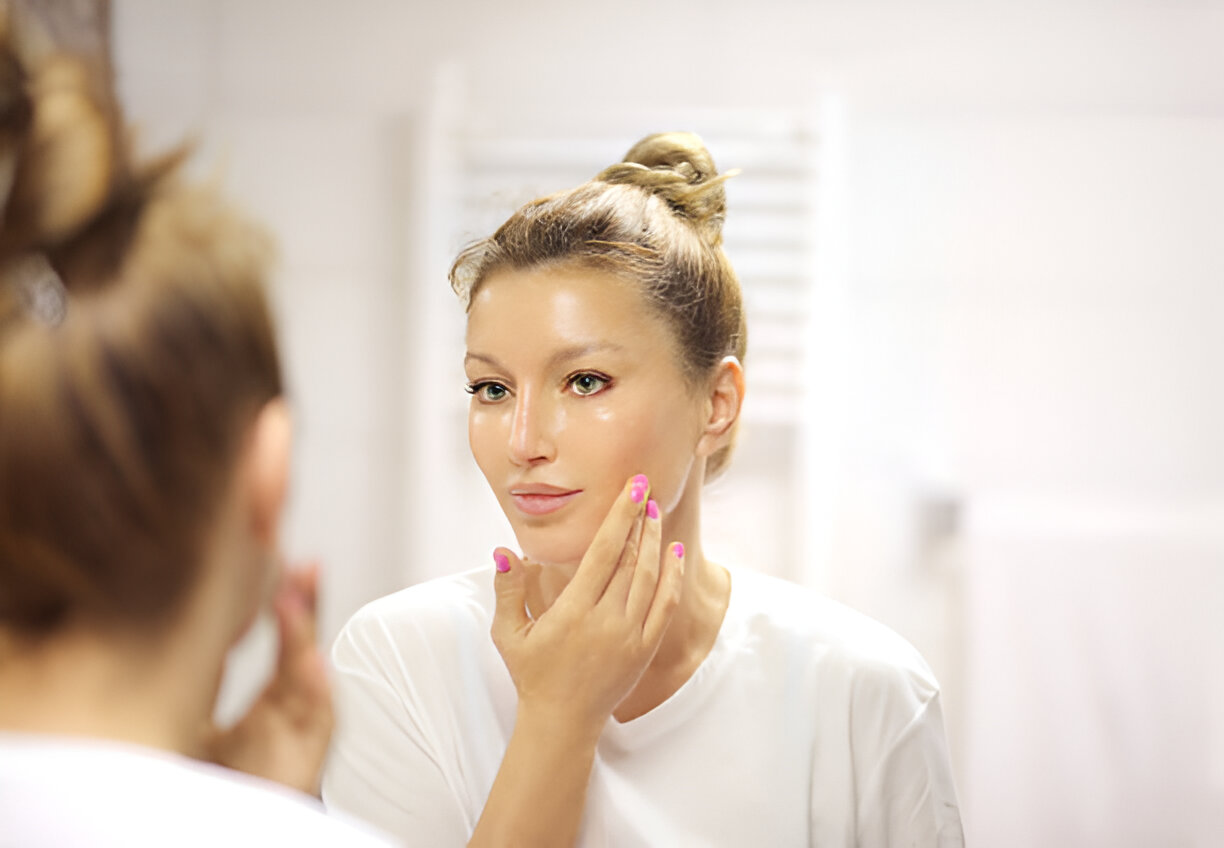
Apply using gentle upward strokes, starting from your neck and working up to your forehead. Don’t rub the serum in aggressively – instead, use light pressing motions to help it absorb. The goal is to distribute the product evenly without dragging your skin.
Pay special attention to areas that tend to be drier – around your eyes, nose, and mouth. These zones often need an extra drop, but apply it with your ring finger using the lightest possible pressure.
Timing and Layering with Other Products
Apply hyaluronic acid serum on slightly damp skin for optimal results. The water content helps activate the ingredient and provides the moisture it needs to bind to. If your skin is completely dry, mist it lightly with distilled water or a hydrating toner first.
Wait 2-3 minutes after applying the serum before adding other products. This allows the hyaluronic acid to fully absorb and create the foundation for your next skincare layer. Rushing this process can cause products to pill or create an uneven application.
Follow the “thinnest to thickest” rule when layering. Hyaluronic acid serum should go after cleansing and toning but before heavier creams or oils. If you use vitamin C or retinol, apply those first, wait for absorption, then add your hyaluronic acid serum.
Environmental Factors That Affect Performance
Humidity levels in your environment significantly impact how well hyaluronic acid works. In very dry conditions (below 40% humidity), the ingredient might actually pull moisture from deeper skin layers instead of the air, potentially causing dryness. Use a humidifier in your bedroom or apply the serum in your bathroom while the air still has moisture from your shower.
Air conditioning and heating systems create challenging environments for hyaluronic acid effectiveness. These systems remove moisture from the air, making it harder for the ingredient to function properly. Combat this by sealing the serum with a good moisturizer that contains ceramides or natural oils.
Maximizing Long-Term Benefits
Consistency beats intensity with hyaluronic acid serums. Daily use shows better results than sporadic application of larger amounts. Your skin needs time to adjust and rebuild its moisture reserves, typically taking 4-6 weeks to see significant improvements in texture and plumpness.
Store your serum properly to maintain its effectiveness. Keep it in a cool, dark place away from direct sunlight. Heat and light can break down the hyaluronic acid molecules, reducing their ability to hold water. Some people keep their serums in the refrigerator, which also provides a cooling sensation during application.
Troubleshooting Common Application Issues
If your serum isn’t absorbing well, check the other products in your routine. Silicone-heavy primers or foundations can create barriers that prevent proper absorption. Switch to water-based alternatives or apply your serum at night when you’re not using makeup.
Pilling or flaking usually indicates you’re using too much product or not waiting long enough between layers. Scale back the amount and increase your waiting time between applications.
If you experience irritation, you might be sensitive to other ingredients in the formula rather than the hyaluronic acid itself. Look for serums with minimal additional ingredients and patch test new products on your inner arm before applying to your face.