Unexpected expenses, like medical bills or home repairs, can disrupt your finances without warning. Being prepared and knowing your financing options in advance can help you handle emergencies without added stress. This guide outlines different ways to fund these costs, helping you make informed decisions during challenging times.
Common Emergency Expenses That Catch Us Off Guard
Emergency expenses come in many forms, but some are more common than others. Medical emergencies top the list, with hospital visits, urgent surgeries, or prescription medications creating bills that can reach thousands of dollars quickly. Even with insurance, deductibles and co-pays can strain your budget.
Home repairs represent another major category of unexpected expenses. Broken HVAC systems, leaking roofs, or failed water heaters don’t wait for convenient timing. These repairs often can’t be delayed without risking further damage to your property.
Vehicle troubles also frequently blindside households. Engine repairs, transmission replacements, or even new tires can cost several thousand dollars. For families dependent on their vehicles for work or essential activities, these repairs become urgent necessities.
Other common emergency expenses include sudden job loss, family crises requiring travel, pet medical emergencies, and essential appliance replacements. The key characteristic of all these situations is their urgency and their tendency to exceed what most people have readily available in cash.
Your Emergency Financing Options
Emergency Savings: Your First Line of Defense
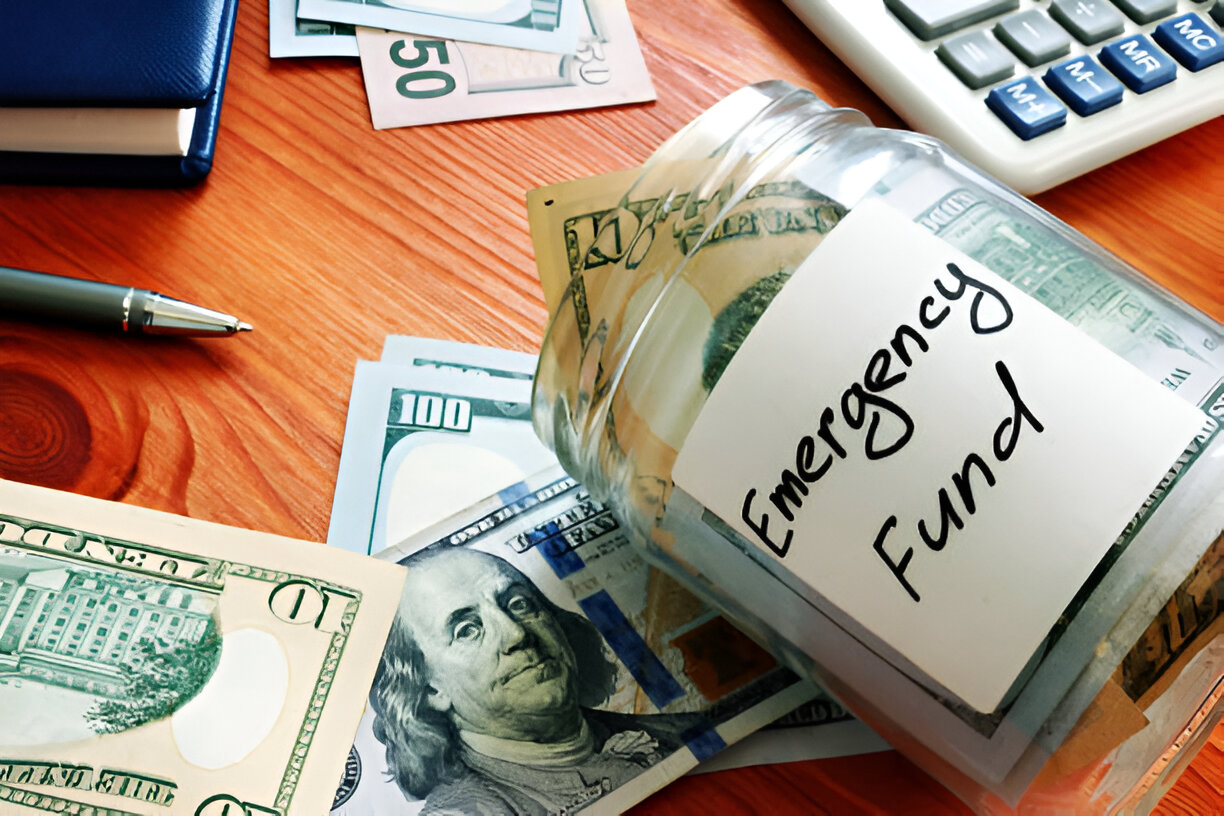
An emergency fund represents the gold standard for handling unexpected expenses. Financial experts typically recommend saving three to six months’ worth of living expenses in an easily accessible account. This money should be separate from your regular checking account but available without penalties or waiting periods.
The beauty of using your own savings lies in avoiding interest charges, credit checks, or repayment schedules. You simply withdraw what you need and focus on rebuilding your fund over time. However, building an adequate emergency fund takes time and discipline, and many households struggle to accumulate sufficient savings.
Credit Cards: Quick Access with Caution Required
Credit cards offer immediate access to funds for emergency expenses, making them a popular choice when cash isn’t available. Most cards provide instant purchasing power up to your credit limit, and many offer grace periods for new purchases if you typically pay your balance in full.
The convenience of credit cards makes them particularly useful for smaller emergencies or when you need to pay for services immediately. They also provide consumer protections and detailed transaction records for your expenses.
However, credit card interest rates can be substantial, often ranging from 18% to 29% annually. If you can’t pay the balance quickly, the cost of your emergency can grow significantly through accumulating interest charges. Another option is personal loans, which offer fixed payments and predictable terms for covering emergency costs when credit cards aren’t ideal
Personal Loans: Structured Repayment Options
Personal loans provide a lump sum of cash with fixed repayment terms, making them suitable for larger emergency expenses. These loans typically offer lower interest rates than credit cards, especially for borrowers with good credit scores. You’ll know exactly how much you’ll pay each month and when the loan will be fully repaid.
Banks, credit unions, and online lenders all offer personal loans, with some providing same-day or next-day funding for approved applications. Online small personal loans like those in Idaho often feature streamlined application processes and competitive rates for qualified borrowers.
Personal loans work well when you need a substantial amount of money and prefer predictable monthly payments. They’re particularly useful for major home repairs, medical procedures, or other large expenses where credit card limits might be insufficient.
Lines of Credit: Flexibility for Ongoing Needs
A line of credit functions like a pre-approved loan that you can draw from as needed. You only pay interest on the amount you actually use, and you can repay and re-borrow within your credit limit. This flexibility makes lines of credit ideal for situations where emergency costs might fluctuate or extend over time.
Home equity lines of credit (HELOCs) typically offer the lowest interest rates because they’re secured by your property. Personal lines of credit are unsecured but provide similar flexibility without putting your home at risk.
The main advantage of lines of credit is their ongoing availability. Once approved, you have access to funds for future emergencies without reapplying for new loans.
Weighing the Pros and Cons
Each financing option comes with distinct advantages and drawbacks that should influence your decision.
Emergency savings provide the cleanest solution with no interest costs or credit impact, but they require advance planning and discipline to build. Once depleted, they leave you vulnerable to additional emergencies until replenished.
Credit cards offer instant access and potential rewards, but their high interest rates can create long-term financial stress if balances aren’t paid quickly. They’re best for smaller emergencies or when you’re confident about rapid repayment.
Personal loans deliver predictable payments and typically lower interest rates than credit cards, making them ideal for larger expenses. However, they require credit approval and create fixed monthly obligations regardless of your changing financial situation.
Lines of credit provide maximum flexibility and ongoing access to funds, but they can tempt overspending and may have variable interest rates that increase over time. Secured lines of credit risk your collateral if you can’t repay.
Choosing the Right Option for Your Situation
Several factors should guide your decision when selecting emergency financing.
Your credit score significantly impacts your options and costs. High credit scores unlock better interest rates and more financing choices, while lower scores may limit you to higher-cost options or require secured loans.
The size of your emergency expense also matters. Smaller amounts under $1,000 might be manageable on a credit card, while larger expenses often benefit from the lower rates and structured payments of personal loans.
Consider your repayment timeline honestly. If you can eliminate the debt within a few months, credit card convenience might outweigh higher interest costs. For expenses requiring longer repayment periods, personal loans or lines of credit typically offer better value.
Your existing debt obligations also factor into the equation. Additional monthly payments from new loans or credit balances should fit comfortably within your budget without creating financial strain.
Building Financial Resilience for the Future
While understanding your financing options is crucial, the best emergency strategy involves prevention and preparation.
Start building an emergency fund immediately, even if you can only save $25 or $50 per month initially. Small, consistent contributions grow over time and provide increasing protection against future emergencies. Automate these savings to remove the temptation to skip contributions.
Review your insurance coverage regularly to ensure adequate protection against major risks. Health insurance, homeowner’s or renter’s insurance, and auto insurance can significantly reduce your out-of-pocket costs when emergencies strike.
Create and maintain a realistic budget that includes emergency fund contributions. Understanding your regular cash flow helps you identify areas where you might redirect money toward emergency savings.
Consider establishing a line of credit before you need it. Having pre-approved access to emergency funds provides peace of mind and eliminates the stress of applying for financing during a crisis.
Concusion
Prepare for emergency expenses by reviewing your savings, credit, and insurance. Build an emergency fund, explore loans, or update coverage to stay ready for unexpected challenges.