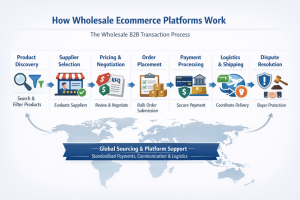
Building successful connections between buyers and sellers has become increasingly challenging as markets become more saturated and competitive. With global e-commerce sales reaching $5.7 trillion in 2022, businesses must implement sophisticated strategies to stand out and facilitate meaningful connections. Whether you’re operating in traditional retail, specialty markets, or digital platforms, understanding how to effectively match buyers with sellers can determine your success.
The most successful marketplace operators recognize that connecting buyers and sellers goes far beyond simply providing a platform. It requires creating trust, ensuring transparency, and delivering value to both parties throughout the entire transaction process. Here are eight proven strategies that successful marketplaces use to thrive in competitive environments.
Build Trust Through Comprehensive Verification Systems
Trust forms the foundation of any successful buyer-seller relationship, particularly in competitive markets where customers have numerous alternatives. Implementing robust verification systems for both buyers and sellers creates confidence and reduces transaction risks. Verified profiles, background checks, and identity confirmation processes help legitimate participants feel secure while deterring fraudulent activities.
Modern verification systems extend beyond basic identity checks. They include financial verification, business license confirmation, and reputation tracking across multiple platforms. Studies indicate that marketplaces with comprehensive verification systems experience 65% higher transaction completion rates compared to those with minimal verification requirements. This increased trust translates directly into higher customer retention and word-of-mouth referrals.
Create Detailed Seller and Buyer Profiles
Comprehensive profiles enable better matching between buyers and sellers by providing detailed information about preferences, history, and specialties. For sellers, profiles should highlight expertise, product categories, customer satisfaction ratings, and transaction history. Buyer profiles can include purchase preferences, budget ranges, and specific requirements to help sellers tailor their offerings.
Rich profiles also facilitate communication by providing context for interactions. When sellers understand buyer preferences and purchase history, they can offer more relevant products and personalized service. This targeted approach reduces time-to-sale and increases customer satisfaction, creating competitive advantages in crowded marketplaces.
Implement Advanced Search and Matching Algorithms
Sophisticated search functionality helps buyers find exactly what they’re looking for while helping sellers reach their ideal customers. Advanced algorithms consider multiple factors including price ranges, location preferences, product specifications, and historical purchase patterns. Machine learning capabilities can improve matching accuracy over time by analyzing successful transactions and user behavior.
Effective search systems also include filtering options, category browsing, and recommendation engines that suggest relevant products or sellers based on user activity. These features reduce the time and effort required to complete transactions, improving user experience and increasing platform engagement rates.
Facilitate Transparent Communication Channels
Open communication between buyers and sellers builds confidence and reduces misunderstandings that can derail transactions. Providing multiple communication options—including instant messaging, video calls, and structured inquiry forms—accommodates different preferences and transaction types. Built-in communication tools also allow platform operators to monitor interactions and provide support when needed.
Communication transparency includes clear policies about acceptable practices and dispute resolution procedures. When participants understand the rules and feel confident that issues will be resolved fairly, they’re more likely to engage in transactions and recommend the platform to others.
Offer Secure Payment and Transaction Processing
Financial security remains a primary concern for both buyers and sellers in competitive markets. Secure payment processing systems protect sensitive information while providing transaction guarantees that reduce risk for both parties. Escrow services, payment protection programs, and fraud detection systems create additional layers of security that encourage participation.
Payment flexibility also attracts more participants to your platform. Offering multiple payment methods, installment options, and currency support accommodates diverse user preferences and expands your addressable market. Platforms with comprehensive payment solutions typically see 40% higher transaction volumes compared to those with limited options.
Develop Specialized Market Segments
Creating focused market segments allows for more targeted buyer-seller matching and specialized service offerings. For example, gun auction sites cater specifically to firearms enthusiasts and collectors, providing specialized features like detailed provenance tracking and expert authentication services. This focused approach attracts serious participants and creates stronger community bonds.
Specialized segments also enable customized policies, verification procedures, and communication tools that address specific market requirements. Art marketplaces need authentication services, while technology markets require detailed specification comparisons. Tailoring your platform to specific market needs creates competitive advantages that are difficult for generalist competitors to replicate.
Establish Robust Feedback and Rating Systems
Comprehensive feedback systems provide valuable information for future transactions while incentivizing good behavior from both buyers and sellers. Multi-dimensional rating systems that evaluate communication, product quality, shipping speed, and overall satisfaction provide more useful information than simple star ratings. Detailed written reviews offer additional context that helps participants make informed decisions.
Feedback systems also create accountability that improves overall marketplace quality. When participants know their actions will be publicly rated and reviewed, they’re more likely to provide excellent service and complete transactions professionally. This reputation-based accountability becomes increasingly valuable as marketplace competition intensifies.
Provide Comprehensive Customer Support Services
Exceptional customer support differentiates successful marketplaces from their competitors by providing assistance throughout the entire transaction process. Support services should include transaction guidance, dispute resolution, technical assistance, and educational resources for both buyers and sellers. Proactive support that identifies and resolves issues before they escalate creates superior user experiences.
Multi-channel support options including phone, email, chat, and self-service resources accommodate different user preferences and urgency levels. Research shows that marketplaces with comprehensive support services achieve 50% higher customer retention rates and generate significantly more positive reviews and referrals.
Successfully connecting buyers and sellers in competitive markets requires a comprehensive approach that prioritizes trust, transparency, and user experience. These eight strategies provide the foundation for building meaningful connections that drive transaction success and long-term platform growth. Remember that marketplace success depends on continuous improvement and adaptation to changing market conditions and user needs.