Key Takeaways
- Balancing fun and discipline is critical for youth development, ensuring engagement and skill growth.
- Playful drills and games keep young athletes motivated and reduce performance anxiety.
- Structured routines and consistent feedback build technical skills, accountability, and confidence.
- Team-building exercises foster camaraderie, cooperation, and a safe learning environment.
- Parental support, encouragement, and promoting diverse sports experiences help prevent burnout and reinforce enjoyment.
Introduction
Creating an engaging basketball environment that blends enjoyment with structure is a central challenge in youth coaching. This balance is crucial for athletic growth and nurturing a lifelong passion for the sport among young athletes. Coaches and parents who strive to inspire their budding players often discover that weaving fun elements into organized practices leads to consistently motivated participants and tangible improvements in skill level. Programs specializing in beginner basketball training often serve as shining examples; they show how interactive drills, games, and clear frameworks can successfully lay the groundwork for future basketball excellence and continuous enthusiasm for learning. Instead of focusing solely on rigid routines, these programs recognize the importance of making the court an enjoyable learning space where experimentation and expression are encouraged alongside mastery of the basics.
The Importance of Fun in Youth Sports
Engagement is the foundation of youth sports, setting the tone for how children perceive and participate in athletics for years to come. When kids genuinely look forward to practice, they step onto the court with positive energy, a keen focus, and a willingness to try new things key ingredients that accelerate improvement in skill and understanding. Injecting excitement into workouts through creative basketball games, upbeat music, themed drills, or friendly team challenges transforms challenging work into memorable play. Playful drills can reduce performance anxiety, help young athletes relax, and make mistakes feel like opportunities for learning instead of setbacks to avoid. According to The New York Times, young players who report having fun in practice are significantly more likely to maintain long-term involvement in sports, develop better skills, and realize their individual potential.
The Role of Discipline in Skill Development
While fun builds motivation and resilience, discipline ensures that achievement follows. Structured routines, clear expectations, and consistent feedback are essential for mastering basketball’s technical fundamentals. Youth basketball practices emphasizing focused drills in ball-handling, passing, shooting, and footwork enable athletes to develop the habits, muscle memory, and confidence they need to succeed in games and beyond. Discipline also teaches young athletes about accountability showing up prepared and on time, listening attentively to instructions, and always giving their best effort, even when the task is challenging or repetitive.
Strategies for Balancing Fun and Discipline
- Incorporate Playful Drills: Use competitive relay races, obstacle courses, or fun shooting contests to teach foundational skills dynamically and engagingly. These activities keep young athletes moving, spark their imagination, and reinforce key techniques without monotony.
- Set Clear Expectations: Clearly outline the rules and objectives for each practice session, and explain why focus, sportsmanship, and effort matter. Demystifying rules and expectations helps players buy into the process, allowing them to view structure as a tool for self-betterment rather than a set of restrictions.
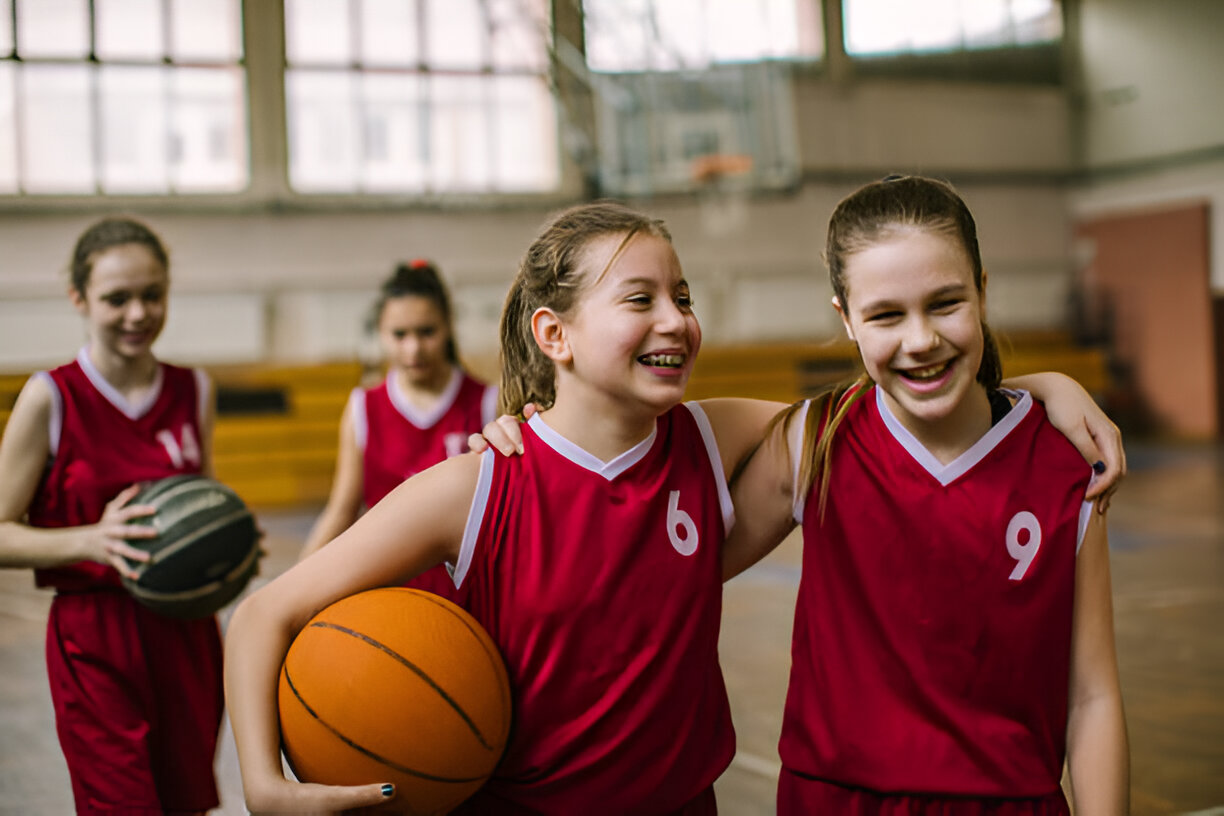
- Encourage Team Building: Foster camaraderie through group challenges, cooperative games, and opportunities for players to lead or support each other. Team-building exercises reduce peer pressure, nurture lasting friendships, and make practice a safe, enjoyable place for everyone to grow together.
Parental Involvement
Parents play a critical and influential role in supporting a coach’s efforts to balance fun and discipline in practice. By encouraging children to participate in multiple sports and valuing effort as much as achievements, parents help prevent the early burnout that often arises from overspecialization or excessive pressure to excel. Chris Harris, founder of Practice Time Sports, strongly advocates for youth exploring different activities at a young age, ensuring that sports remain an enjoyable pastime and not a burdensome obligation.
Final Thoughts
Finding the sweet spot between fun and discipline in youth basketball practice is essential for developing court skills and strong character. Through playful learning, structured routines, and a focus on teamwork and communication, coaches and parents can motivate young athletes to reach their full potential while ensuring they enjoy every minute on the court. When fun and fundamentals go hand in hand, the result is better players and happier, healthier, and more driven kids—ready to take on every new challenge basketball and life offer.