Playgrounds are vibrant spaces where children explore, play, and develop essential social and physical skills. However, they can also be places where accidents occur. From minor scrapes to more serious injuries, knowing how to respond quickly and effectively is crucial. This article provides a comprehensive guide on first aid for common playground accidents, ensuring that caregivers and parents are prepared to handle these situations with confidence and care.
DEALING WITH MINOR CUTS AND SCRAPES
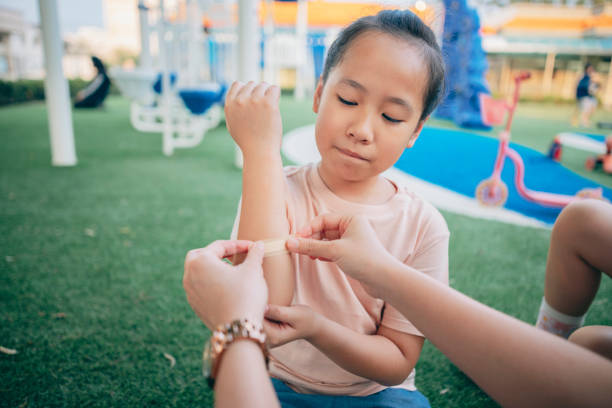
Minor cuts and scrapes are among the most common injuries on playgrounds. When a child falls and scrapes their knee or elbow, the first step is to remain calm and reassure the child. Clean the wound gently with water to remove any dirt or debris. Avoid using hydrogen peroxide or alcohol, as these can irritate the skin. Once the area is clean, apply an antibiotic ointment to prevent infection. Cover the wound with a sterile bandage to protect it from further injury. It’s important to monitor the wound for signs of infection, such as redness, swelling, or pus. If any of these symptoms appear, seek medical attention. Keeping a small first aid kit with bandages, antiseptic wipes, and ointment in your bag can be incredibly helpful for these situations.
HANDLING SPRAINS AND STRAINS
Sprains and strains can occur when children twist or overstretch their muscles or ligaments. These injuries often happen when kids jump off swings or climb on playground equipment. If a child complains of pain, swelling, or difficulty moving a limb, it’s essential to act quickly. The R.I.C.E. method—Rest, Ice, Compression, and Elevation—is an effective way to manage these injuries. Encourage the child to rest the affected area and apply ice wrapped in a cloth to reduce swelling. Use a bandage to compress the area gently, and elevate the limb above heart level if possible. Avoid putting weight on the injured area until it has healed. If the pain persists or the child is unable to move the limb, seek medical evaluation to rule out fractures or more severe injuries.
RESPONDING TO HEAD INJURIES
Head injuries can be particularly concerning, as they may not always present immediate symptoms. If a child hits their head, it’s crucial to assess the situation carefully. Look for signs of a concussion, such as confusion, dizziness, headache, or nausea. If the child loses consciousness, even briefly, or exhibits any of these symptoms, seek medical attention immediately. Keep the child still and calm, and avoid moving them unless necessary. Applying a cold compress to any visible bumps or bruises can help reduce swelling. It’s important to monitor the child closely for the next 24 hours, as symptoms of a concussion can develop over time. If in doubt, always err on the side of caution and consult a healthcare professional.
MANAGING BROKEN BONES
Broken bones, though less common, can occur during falls or collisions on the playground. If a child is in severe pain, unable to move a limb, or if the limb appears deformed, suspect a fracture. Keep the child as still as possible and immobilize the injured area using a makeshift splint if necessary. Avoid trying to realign the bone or push any protruding bones back in. Cover any open wounds with a clean cloth to prevent infection. Seek emergency medical assistance immediately. While waiting for help, keep the child calm and comfortable. Reassure them that help is on the way and that they will be taken care of. Quick and appropriate action can significantly impact the child’s recovery and comfort.
CONCLUSION
Playground accidents are an unfortunate reality, but being prepared with the knowledge of basic first aid can make a significant difference in the outcome of these incidents. By understanding how to handle minor cuts, sprains, head injuries, and broken bones, caregivers can provide immediate and effective care, minimizing the impact of the injury. It’s essential to remain calm, act swiftly, and seek professional medical help when necessary. With the right approach, playgrounds can remain safe and enjoyable spaces for children to learn, grow, and have fun. For those interested in further training, consider cpr ottawa. Access to trusted pediatrics in flushing ensures children receive proper follow-up care after playground injuries. Reliable pediatric support helps caregivers confirm healing, address hidden issues, and keep kids healthy, safe, and active.