Key Takeaways
- Green roofs cool city environments and fight the urban heat island effect.
- They improve stormwater management, reducing urban flooding risks.
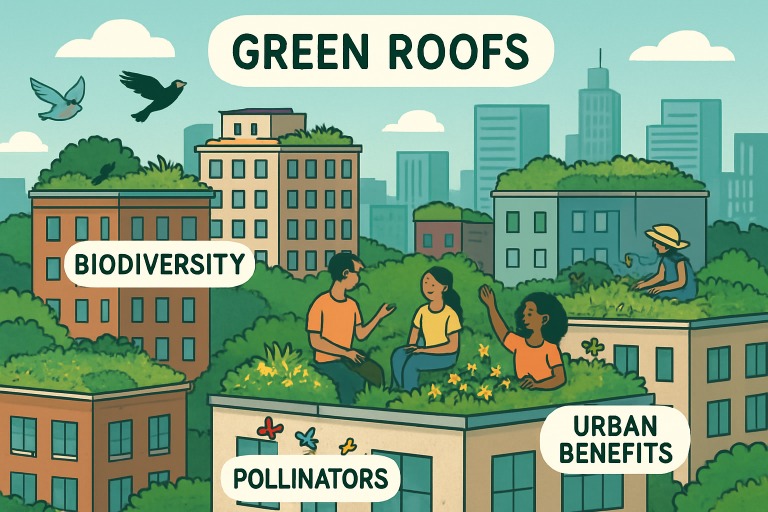
- Green rooftops support biodiversity by creating much-needed habitats for wildlife.
- They enhance energy efficiency through natural building insulation.
- Green roofs often lead to higher property values and more appealing urban landscapes.
Introduction
As urban areas grow and adapt, planners and property owners explore sustainable solutions to combat environmental issues while enhancing everyday living conditions. One increasingly popular approach is green roofing—installing vegetation on building rooftops. Beyond their aesthetic value, green roofs help cities manage heat, reduce flooding, and expand much-needed green spaces. To better understand how this eco-friendly practice supports resilient urban development, visit https://sbrroofing.com/services/green-roofing/ and explore additional insights from the EPA’s comprehensive guide on green roofs. These resources highlight how innovative roofing design can create healthier, more sustainable communities.
Green roofing combines ecological form and practical function, turning unused roof space into vibrant micro-ecosystems. As urban centers face intensifying climate challenges—such as soaring temperatures and increased rainfall integrating vegetative rooftops is a forward-thinking approach to adapting both existing and new buildings. Embracing such innovations benefits not just building owners but the whole community, setting a path toward healthier and more sustainable cities for future generations.
Mitigating the Urban Heat Island Effect
Urban heat islands are a growing concern in cities with asphalt and dark roofing that absorb and radiate heat. This localized warming drives energy bills and threatens public health during extreme heat events. Research from the Environmental Protection Agency highlights how green roofs lower rooftop and ambient temperatures by as much as 20°F in some cases offering localized cooling benefits that extend to neighboring blocks. This is especially important in densely packed neighborhoods, where every degree of cooling can make a measurable difference in comfort and air quality.
Enhancing Stormwater Management
Traditional impervious surfaces like concrete and blacktops prevent water from soaking into the ground, overwhelming drainage infrastructure, and increasing flood risks after storms. Vegetated rooftops act as natural sponges, soaking up rainfall and releasing it slowly through evapotranspiration. Notable projects, such as the Vancouver Convention Centre’s green roof, showcase how stormwater can be filtered and reused on site, cutting down pollutants that enter urban waterways. These functional landscapes reduce maintenance costs for cities and foster a more resilient infrastructure capable of handling heavier rainfalls brought about by climate change.
Promoting Biodiversity in Urban Settings
With green space at a premium in city centers, green roofs offer critical habitat for pollinators, birds, and insects. Transformative examples include the Javits Center in New York, where a once-barren rooftop became a 6.75-acre urban sanctuary, supporting native species and migratory birds. Such initiatives help reverse decades of habitat loss and demonstrate how designed environments can foster biodiversity, even in the heart of concrete jungles.
Improving Energy Efficiency and Reducing Emissions
Insulation provided by green roofs helps moderate building temperatures throughout the year. In summer, the vegetation absorbs sunlight, keeping interiors cooler; in winter, it acts as an insulating layer, reducing heat loss. According to studies by the U.S. Department of Energy, buildings with green roofs can reduce air conditioning demand by up to 75%, resulting in lower energy costs and less strain on municipal power grids. As more buildings adopt green roofing, cities can considerably reduce greenhouse gas emissions while supporting national and local climate goals.
Boosting Property Value and Urban Livability
The benefits of green roofs are not limited to environmental gains. They add economic value to urban properties, transforming blank roof space into gardens, terraces, or shared community areas. Buildings featuring green roofs often attract higher sale prices and premium rents. For tenants, these amenities offer opportunities for relaxation, gardening, and connection with nature essentials in high-density living. Modern city dwellers increasingly seek such features, making green roofs a wise investment for property owners and developers.
Implementing Green Roofs: Steps to Success
- Assess Structural Capacity: Before installation, ensure your building can bear the full weight of a green roofing system, accounting for saturated soil and mature plantings.
- Choose the Right Vegetation: Opt for drought-resistant and locally adapted plants for reduced maintenance and enhanced survival rates.
- Install Appropriate Drainage: Effective drainage systems are vital, preventing waterlogging and safeguarding underlying building materials.
- Plan for Ongoing Maintenance: Regular inspections, weeding, and seasonal care are key to keeping your green roof thriving and effective.
Conclusion
Green roofing stands out as a comprehensive solution for future-proofing urban spaces. Green roofs can help transform cities into more sustainable, resilient, and welcoming places for everyone by mitigating heat, managing stormwater, enhancing biodiversity, and adding property value. As city populations grow and adapt to climate realities, there has never been a better time for urban leaders and property owners to embrace this pioneering approach and make green roofing a standard part of the urban landscape.